


Pala Dynasty: History, Rulers, Administration, Art and Architecture

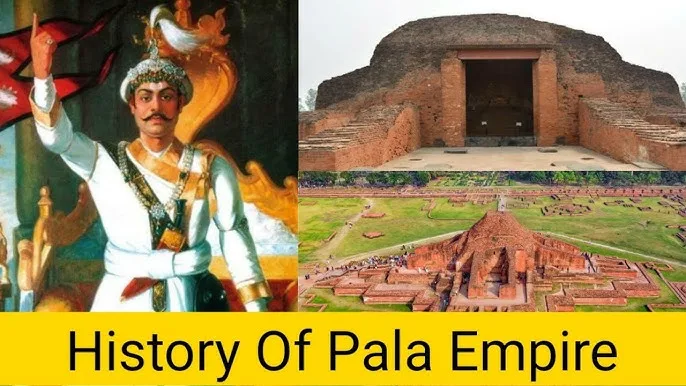
Pala Dynasty was one of the most important dynasties in the history of medieval India. The Pala rulers governed large parts of eastern and northern India from the 8th century to the 12th century. Their empire mainly covered present-day Bihar, Bengal, and parts of Assam and Odisha. The dynasty played a major role in the spread of Buddhism, education, trade, art, and architecture. The rulers of this dynasty were known for their strong administration, military power, and support for culture and religion.
Thank you for reading this post, don't forget to subscribe!The word “Pala” comes from the Sanskrit language and means “protector.” Almost every ruler of this dynasty used the word “Pala” at the end of his name. The Palas were followers of Mahayana Buddhism and supported many monasteries, universities, temples, and viharas. Under their rule, eastern India became a great center of learning and culture.
Origin of the Pala Dynasty
The Pala Dynasty was founded by Gopala around 750 AD. At that time, Bengal was facing political disorder and confusion. There was no strong ruler, and different local chiefs were fighting for power. To end this situation, the people of Bengal selected Gopala as their king. This is considered one of the rare examples in Indian history where a ruler was chosen by the people.
After becoming king, Gopala brought peace and unity to Bengal. He expanded his control over Bihar and laid the foundation of a strong empire. From this beginning, the Pala Dynasty became one of the most powerful dynasties in India.
Important Rulers of the Pala Dynasty
Gopala (750–770 AD)
Gopala was the founder and first ruler of the Pala Dynasty. He united Bengal and restored political stability in the region. He also captured Magadha, which is now part of Bihar.
Gopala was a supporter of Buddhism. He founded the famous Odantapuri Monastery in Bihar, which later became an important center of Buddhist learning. His rule marked the beginning of the rise of Buddhism once again in eastern India.
During his reign, the Palas became involved in a major political conflict known as the Tripartite Struggle. This struggle took place among the Palas, the Gurjara-Pratiharas, and the Rashtrakutas for control over Kanauj, an important city in North India.
Dharmapala (770–810 AD)
Dharmapala was the son of Gopala and one of the greatest rulers of the Pala Dynasty. He greatly expanded the empire and made it powerful across northern India.
Dharmapala fought many battles against the Pratiharas and Rashtrakutas. He succeeded in capturing Kanauj and organized a grand royal assembly there. Many smaller kings accepted his authority.
He adopted impressive royal titles such as Paramabhattaraka, Paramesvara, and Maharajadhiraja, which showed his power and status.
Dharmapala was also a great patron of Buddhism and education. He established the famous Vikramshila University, which became one of the leading centers of Buddhist studies in India. Students from different countries came there to study.
Devapala (810–850 AD)
Devapala was the son of Dharmapala and one of the strongest rulers of the dynasty. Under his rule, the Pala Empire reached its greatest extent.
He expanded the empire towards Assam, Odisha, and Kamarupa. He also carried out military campaigns in northern India and parts of the Deccan region.
Devapala continued supporting Buddhism and built many monasteries and temples in Magadha and other regions. Foreign Buddhist rulers, especially from Southeast Asia, maintained friendly relations with him.
His reign is often considered the golden period of the Pala Dynasty because of political strength, economic growth, and cultural development.
Mahipala I (988–1038 AD)
After the decline of the empire for some time, Mahipala I revived the power of the Pala Dynasty. He regained northern and eastern Bengal and parts of Bihar.
Mahipala worked hard to restore the lost glory of the dynasty. He rebuilt temples, monasteries, and public structures damaged during earlier invasions and conflicts.
It is believed that he also conquered Varanasi with the help of his brothers, Stirapala and Vasantapala. Under his rule, the Pala Empire once again became an important power in eastern India.
Tripartite Struggle
One of the important political events during the Pala period was the Tripartite Struggle. This was a long conflict among three powerful dynasties:
- The Palas of Bengal
- The Gurjara-Pratiharas of western India
- The Rashtrakutas of the Deccan
The main aim of this struggle was to control Kanauj, which was considered a symbol of political power in northern India.
Although no dynasty could maintain permanent control over Kanauj, the struggle showed the military strength and political importance of the Palas in medieval India.
Administration under the Pala Dynasty
The administration of the Pala Dynasty was well organized. The rulers used many royal titles to show their authority and greatness. They granted land to Brahmanas, temples, Buddhist monasteries, and officials.
Land Grants
Land grants were an important part of the Pala administration. The kings donated land to:
- Brahmanas
- Priests
- Buddhist monasteries
- Temples
- Officials and military chiefs
These grants were usually permanent and helped religious institutions grow.
The Palas also gave land to peasants known as Kaivartas. Such grants helped increase agricultural production and local administration.
Feudal System
The Pala rulers had many feudatories and local chiefs who helped them in administration and warfare. These chiefs were given land in return for military service.
Some important titles mentioned in Pala records include:
- Rajas
- Rajputras
- Ranakas
- Mahasamantas
- Mahasamantadhipatis
These officers and chiefs played a major role in maintaining law and order in the empire.
Local Administration
The empire was divided into different administrative units for better governance.
Villages were grouped into units and managed by officers such as:
- Gramapati – head of a village
- Dasagramika – officer in charge of ten villages
These officials collected taxes, maintained peace, and handled local administration.
Important cities such as Pataliputra and Mudgagiri served as centers of political power during the Pala period.
Religion during the Pala Rule
The Pala rulers were strong supporters of Mahayana Buddhism. They built many Buddhist monasteries, viharas, stupas, and educational institutions.
Although Buddhism received royal support, Hinduism was also respected during their rule. The kings donated land to Brahmanas and Hindu temples as well. This shows that religious tolerance existed during the Pala period.
Buddhist scholars from countries like Tibet, Nepal, Sri Lanka, and Southeast Asia visited India during this time to study in famous universities supported by the Palas.
Education and Learning
The Pala period became famous for higher education and intellectual activities. Many great universities and monasteries were established during their rule.
Vikramshila University
Founded by Dharmapala, Vikramshila University became one of the most important centers of Buddhist education. Subjects like philosophy, grammar, logic, and religion were taught there.
Odantapuri University
Odantapuri was established by Gopala in Bihar. It became another famous Buddhist learning center.
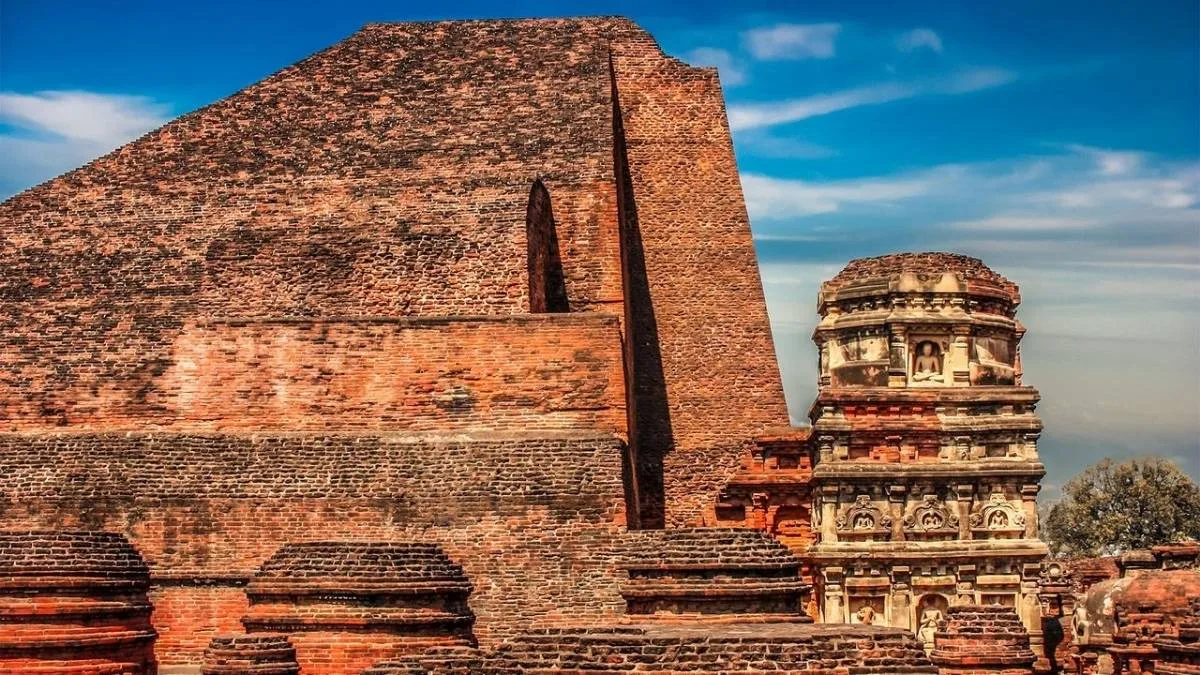
Somapura Mahavihara
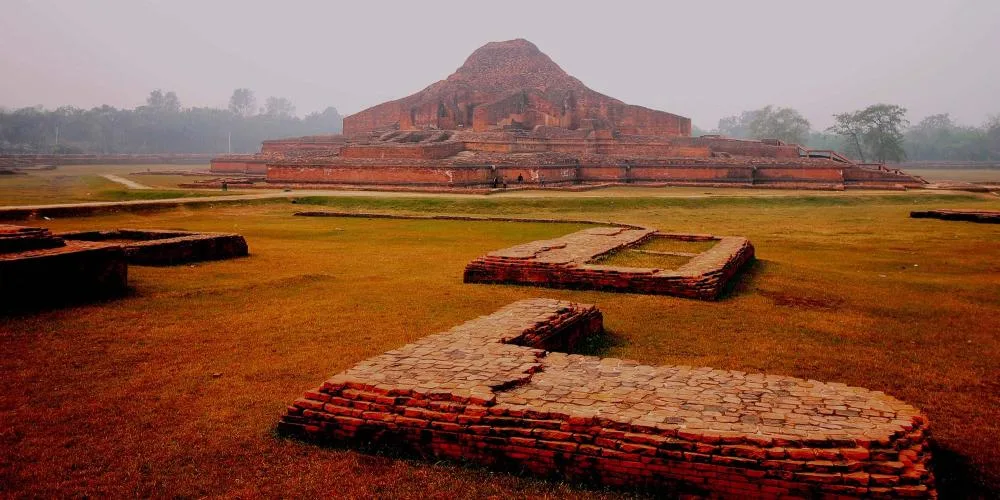
Somapura Mahavihara, located at Paharpur in present-day Bangladesh, was one of the greatest monasteries of ancient India. It attracted students and scholars from different countries.
Jagaddala Vihara
Jagaddala was another important Buddhist monastery built during the later Pala period. It became known for Buddhist studies and manuscript writing.
These educational institutions played a major role in spreading Buddhism across Asia.
Art and Architecture of the Pala Dynasty
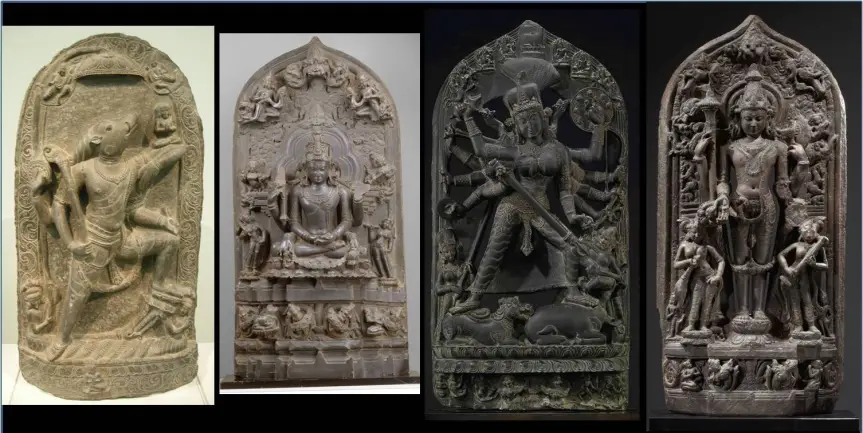
The Pala Dynasty made great contributions to Indian art and architecture. Their style became famous as the “Pala School of Art.”
The art of this period mainly developed in Bengal and Bihar. It reflected both religious devotion and regional culture.
Features of Pala Art
Pala art focused on:
- Stone sculptures
- Bronze statues
- Terracotta art
- Paintings
- Buddhist architecture
Artists created beautiful images of Buddha, Bodhisattvas, Hindu gods, and goddesses. The sculptures were detailed and elegant.
Bronze casting became highly advanced during this period. Many bronze statues made during the Pala period are still admired for their beauty and fine craftsmanship.
Terracotta Art
Terracotta plaques became an important form of decoration during the Pala period. These plaques were used on the walls of temples and monasteries.
The plaques showed scenes from daily life, animals, flowers, and religious stories. They displayed the creativity and artistic skill of Bengali artists.
Famous Architectural Works
Somapura Mahavihara
Somapura Mahavihara at Paharpur is considered one of the finest examples of Pala architecture. It was a massive Buddhist monastery with beautiful designs and structures.
The monastery served as a great center of learning until the 12th century.
Vikramshila Vihara
Vikramshila was not only a university but also an important architectural achievement. Its large structures and monasteries showed the advanced building skills of the Pala period.
Odantapuri and Jagaddala Viharas
These viharas were also famous for their large buildings and educational importance. They became centers of Buddhist culture and art.
Decline of the Pala Dynasty
After the rule of strong kings like Devapala and Mahipala, the power of the Pala Dynasty slowly declined.
Several reasons were responsible for their decline:
- Weak successors after powerful rulers
- Repeated invasions from neighboring kingdoms
- Internal conflicts and rebellions
- Rise of the Sena Dynasty in Bengal
By the 12th century, the Sena rulers replaced the Palas in Bengal, and the dynasty came to an end.
Importance of the Pala Dynasty
The Pala Dynasty holds a special place in Indian history for many reasons.
Promotion of Buddhism
The Palas played a major role in protecting and spreading Buddhism in India and abroad. Their universities attracted scholars from many countries.
Growth of Education
They established famous educational centers such as Vikramshila, Odantapuri, and Somapura Mahavihara.
Development of Art
The Pala School of Art influenced sculpture and architecture not only in India but also in Nepal, Tibet, and Southeast Asia.
Political Importance
The Palas were one of the strongest dynasties of medieval India and participated in important political events like the Tripartite Struggle.
Conclusion
The Pala Dynasty was one of the most powerful and culturally rich dynasties in medieval Indian history. Founded by Gopala in the 8th century, the dynasty ruled large parts of eastern and northern India for nearly four centuries. Great rulers like Dharmapala, Devapala, and Mahipala strengthened the empire and supported education, religion, art, and architecture.
The Palas are especially remembered for their support of Buddhism and the creation of famous universities and monasteries. Their contributions to sculpture, terracotta art, and architecture left a lasting impact on Indian culture.
Even today, the remains of Pala art and architecture remind us of the greatness of this dynasty and its important role in shaping the cultural and educational history of India.
FAQs
1. Who founded the Pala Dynasty?
The Pala Dynasty was founded by Gopala around 750 AD in Bengal.
2. Which religion was supported by the Pala rulers?
The Pala rulers strongly supported Mahayana Buddhism.
3. Who was the greatest ruler of the Pala Dynasty?
Dharmapala and Devapala are considered the greatest rulers of the Pala Dynasty.
4. What was the Tripartite Struggle?
It was a political conflict among the Palas, Pratiharas, and Rashtrakutas for control over Kanauj.
5. Which famous university was established by Dharmapala?
Dharmapala established Vikramshila University.
6. What is the meaning of the word “Pala”?
The word “Pala” means “protector” in Sanskrit.
7. Which areas were ruled by the Pala Dynasty?
The Pala Dynasty mainly ruled Bengal, Bihar, Assam, and parts of Odisha.
8. What is the Pala School of Art?
It is a famous style of sculpture, painting, and architecture developed during the Pala period.
9. Why is Somapura Mahavihara important?
Somapura Mahavihara was a major Buddhist monastery and center of learning.
10. Which dynasty replaced the Palas?
The Sena Dynasty replaced the Palas in Bengal during the 12th century.