James Webb LHS 3844 b Reveals Rocky Alien World

James Webb LHS 3844 b has become an important topic in space research after scientists directly studied this rocky exoplanet using the James Webb Space Telescope (JWST) on 4 May 2026. The planet, also known as Kuaꞌkua, is located around 49 to 50 light-years away from Earth and is about 30% larger than our planet.
Thank you for reading this post, don't forget to subscribe!James Webb LHS 3844 b Study by JWST
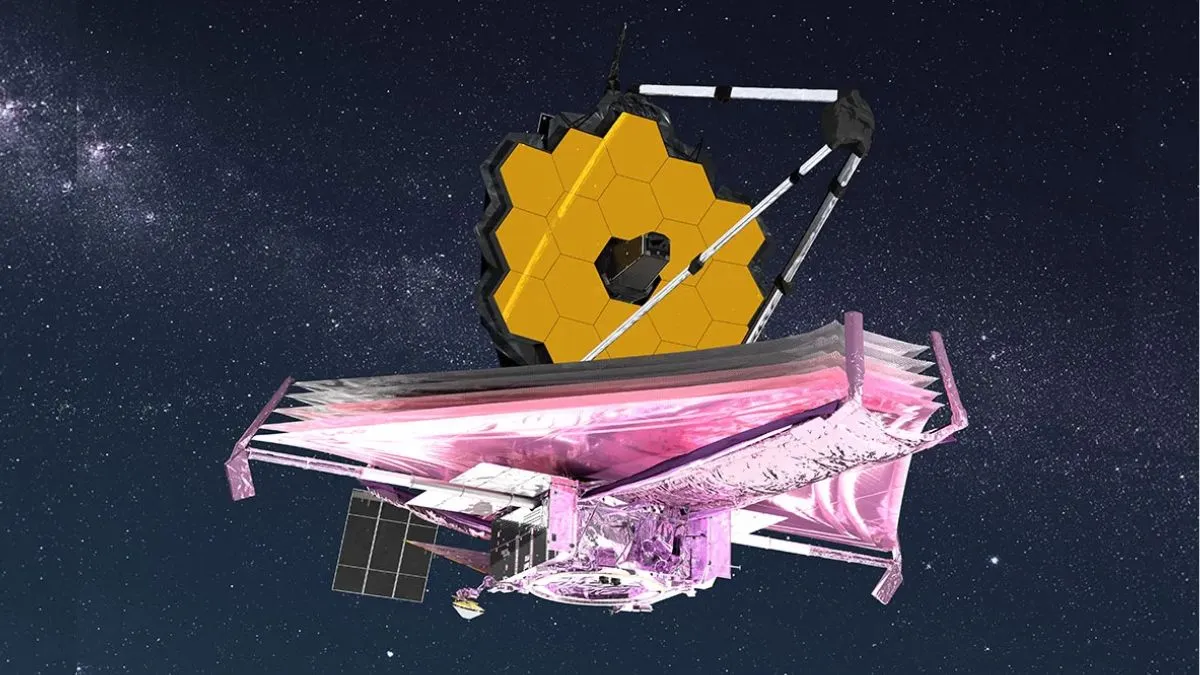
The James Webb Space Telescope is a powerful space observatory developed by NASA, the European Space Agency, and the Canadian Space Agency. It mainly works in infrared wavelengths and helps scientists study distant planets, stars, and galaxies.
For this study, scientists used JWST’s Mid-Infrared Instrument (MIRI) to examine the heat and surface properties of LHS 3844 b. The telescope collected data during observations made in 2023 and 2024.
What Makes LHS 3844 b Special
LHS 3844 b is known as a super-Earth because it is larger than Earth but smaller than giant planets like Neptune. The planet is also tidally locked, meaning one side always faces its host star while the other side remains dark.
The star-facing side of the planet reaches extremely high temperatures of about 1,340 degrees Fahrenheit or 725 degrees Celsius. Scientists found that the planet is hot, dark, barren, and likely has no atmosphere.
James Webb LHS 3844 b Surface Findings
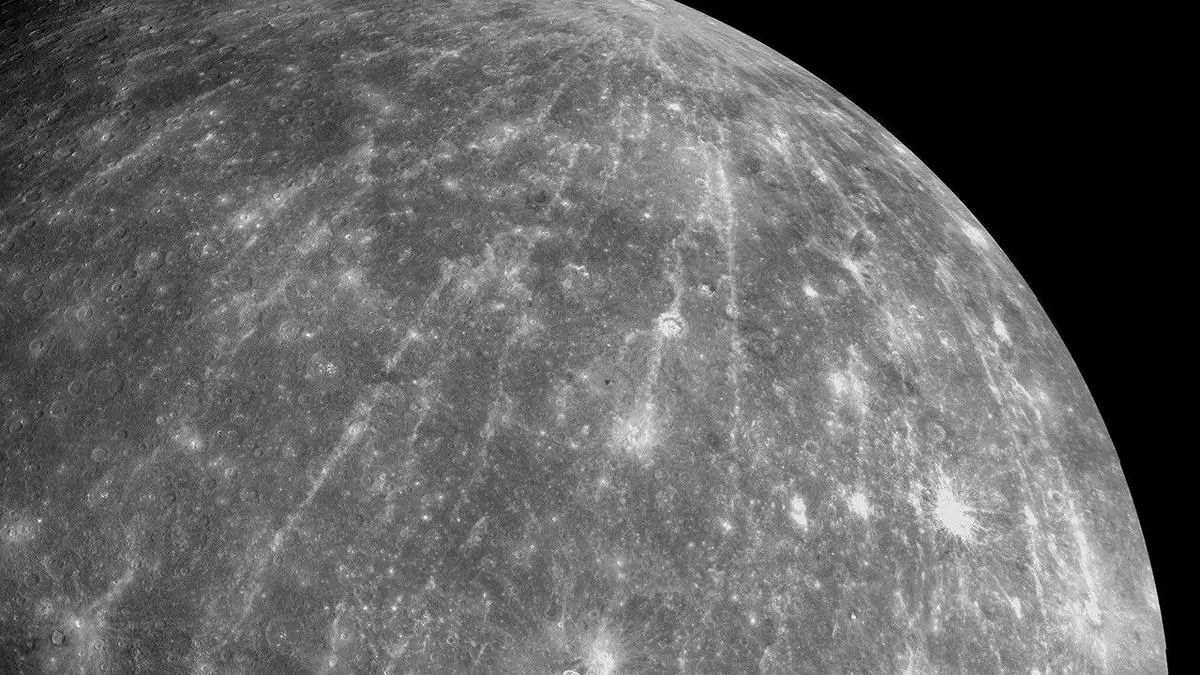
Scientists studied the heat coming from the surface of the planet to understand its geology. The results suggest that the surface is made of basaltic or igneous mantle rock. This type of rock is similar to what is found on Mercury and the Moon.
Researchers also discovered that the planet does not have an Earth-like crust rich in granite or silica. This finding helps scientists learn more about how rocky planets form outside the Solar System.
Exoplanet Geology and Future Research
The study of planets outside our Solar System is called exoplanet research. Scientists are now using a method called exoplanet geology to examine the surface and physical properties of distant rocky worlds.
The James Webb LHS 3844 b research shows that studying surface heat can reveal important details about planets even when atmospheric analysis is difficult. The findings were published in the scientific journal Nature Astronomy.