


Glaciers: Formation, Types, Importance and Landforms

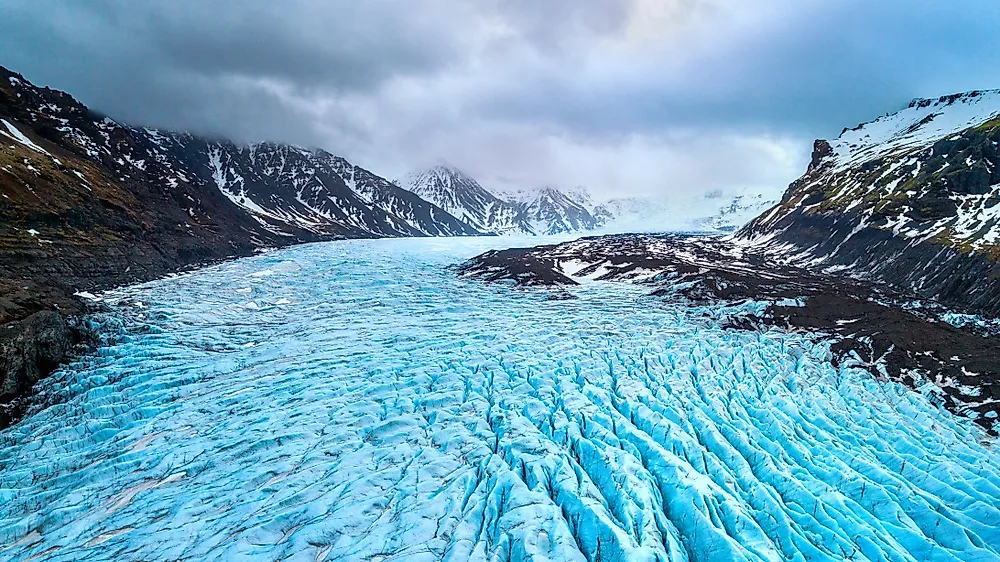
Glaciers are one of the most important natural features on Earth. A glacier is a large, long-lasting mass of ice that forms on land from the accumulation of snow over many years. These massive ice bodies slowly move downhill due to gravity and their own weight. Glaciers are not just frozen water; they contain snow, ice, rocks, sediments, and even trapped air, making them dynamic systems that shape the Earth’s surface.
Thank you for reading this post, don't forget to subscribe!Glaciers are also considered strong indicators of climate change. When temperatures rise, glaciers melt faster; when temperatures fall, they grow. This is why scientists study glaciers to understand global warming and environmental changes.
Out of the total water available on Earth, about 97.2% is found in oceans and seas, while only around 2.1% is stored in glaciers. Despite this small percentage, glaciers hold about three-fourths of the world’s freshwater, making them extremely important for life on Earth.
Conditions Necessary for Glacier Formation
For glaciers to form, certain environmental conditions must be present:
- Low Temperature
The average annual temperature should be close to or below freezing point (0°C). This prevents snow from melting completely. - Heavy Snowfall
There must be enough snowfall during winter so that snow accumulates over time. - Limited Summer Melting
Even during warmer months, the snow from previous winters should not melt entirely.
When these conditions are met, snow begins to accumulate year after year, eventually forming a glacier.
Process of Glacier Formation
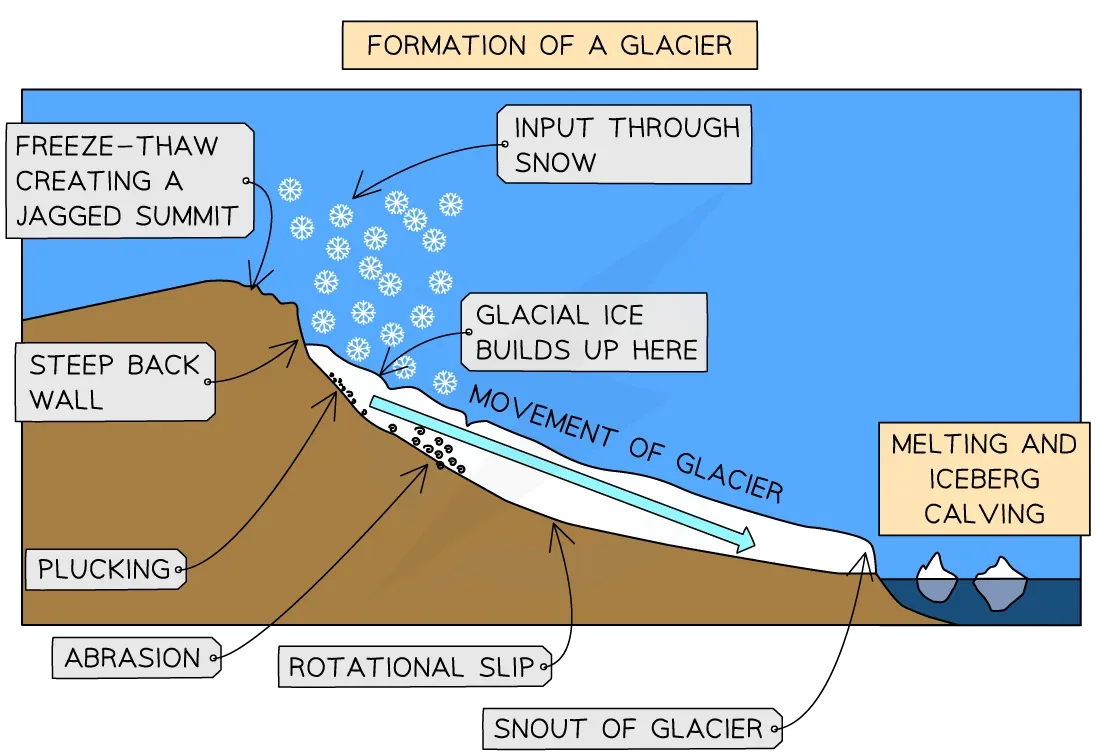
The formation of glaciers is a slow and gradual process that takes hundreds or even thousands of years.
- Snow Accumulation: Fresh snow falls and starts piling up.
- Compaction: Over time, the weight of new snow compresses the older layers beneath.
- Firn Formation: The compacted snow turns into a dense, grainy form called firn. This process is known as firnification.
- Glacial Ice Formation: When the thickness reaches around 50 meters, the firn grains fuse into solid ice.
- Movement Begins: Once thick enough, the glacier starts moving due to gravity.
Interestingly, glaciers do not move uniformly. The center of a glacier moves faster than its base because of less friction.
Geographical Distribution of Glaciers
Glaciers are unevenly distributed across the world:
- About 91% of glaciers are found in Antarctica
- Around 8% are located in Greenland
- The remaining glaciers are found in mountain regions across continents
Overall, glaciers cover nearly 10% of the Earth’s land surface.
Some important glacier regions include:
- The Himalayan Mountains (Asia)
- The Alps (Europe)
- The Rockies (North America)
- The Andes (South America)
Importance of Glaciers
1. Freshwater Reservoirs
Glaciers store nearly 75% of the world’s freshwater. This makes them the second-largest water reservoir after oceans and the largest source of freshwater.
2. Source of Rivers
Many major rivers originate from glaciers. For example, the Gangotri Glacier in the Himalayas is the source of the Ganga River, which is vital for millions of people in India and Bangladesh.
3. Climate Regulation
Glaciers help regulate global temperature by reflecting sunlight due to their white surface.
4. Support for Aquatic Life
Cold water released from glaciers maintains the temperature of rivers, which is essential for many aquatic species. Some fish and insects cannot survive without this cold environment.
5. Soil Formation and Agriculture
Glacial deposits create fertile soil, which is useful for agriculture.
6. Economic Resources
Materials like sand, gravel, and rocks deposited by glaciers are used in construction activities such as making roads and buildings.
Classification of Glaciers
Glaciers can be classified based on size and thermal characteristics.

A. Classification Based on Size
1. Ice Caps
Ice caps are dome-shaped glaciers that spread in all directions. They are smaller than ice sheets but still cover large areas.
- Example: Ice caps in the Canadian Arctic
- If all ice caps melt, sea levels could rise by about 70 meters
2. Valley Glaciers
Also known as alpine glaciers, these glaciers form in mountainous areas and flow through valleys.
- Found in most mountain ranges
- Examples include glaciers in Switzerland and Africa
3. Ice Sheets
These are the largest type of glaciers and cover vast areas of land.
- Found in Antarctica and Greenland
- They can bury entire landscapes under thick ice
4. Cirque Glaciers
These are small glaciers found in bowl-shaped depressions in mountains called cirques.
B. Classification Based on Thermal Conditions
1. Polar Glaciers
- Remain below freezing temperature throughout the year
- Found mainly in polar regions
2. Temperate Glaciers
- Exist at melting point
- Contain both ice and liquid water
- Found in many parts of the world including Asia, Europe, and America
Landforms Created by Glaciers
Glaciers are powerful agents of erosion and deposition. They shape the landscape in many ways.
A. Erosional Landforms
1. Glacial Valleys
These valleys are U-shaped with steep sides and flat floors. They are formed by the movement of glaciers.
2. Fjords
Deep glacial valleys filled with seawater are called fjords. These are common in high-latitude coastal areas.
3. Cirques
These are bowl-shaped depressions found at the head of glaciers. When filled with water, they form lakes known as tarns.
4. Horns
Sharp, pointed mountain peaks formed when several cirques erode a mountain from different sides.
B. Depositional Landforms
1. Glacial Till
Unsorted mixture of rocks and sediments deposited directly by melting glaciers.
2. Moraines
Ridges formed by the accumulation of glacial debris.
- Terminal Moraine: Found at the end of the glacier
- Lateral Moraine: Found along the sides
- Medial Moraine: Found in the center
- Ground Moraine: Spread across the glacier floor
3. Eskers
Long, winding ridges formed by sediments deposited by meltwater streams inside glaciers.
4. Drumlins
Smooth, oval-shaped hills formed from glacial deposits. They indicate the direction of glacier movement.
Impact of Glacier Melting
Glacier melting has serious consequences:
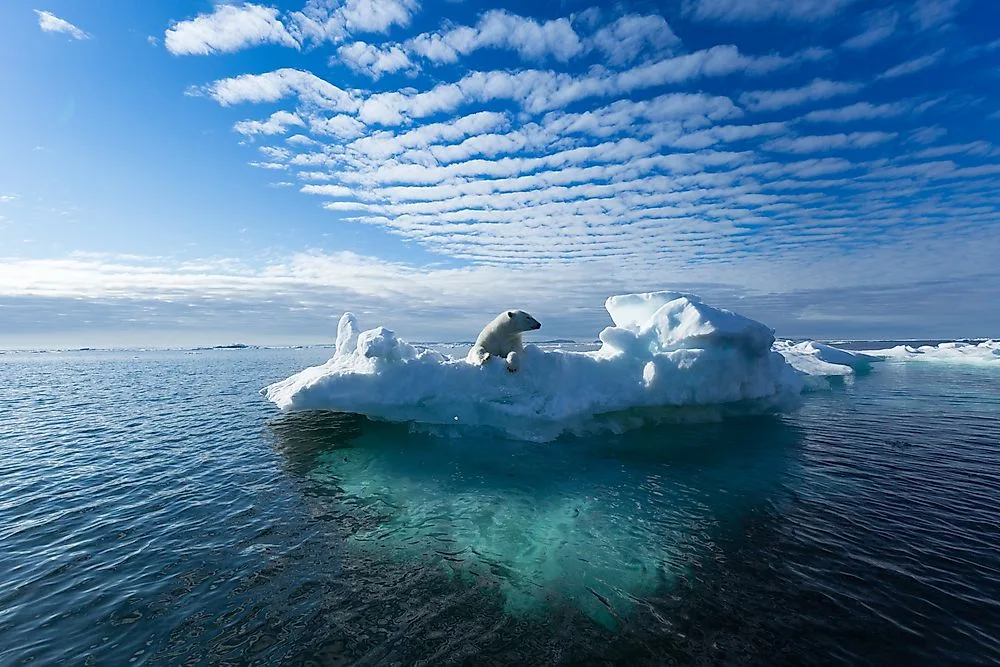
- Rising Sea Levels: Melting glaciers contribute to flooding in coastal areas
- Water Shortage: Reduced glacier size affects freshwater supply
- Loss of Biodiversity: Aquatic species depending on cold water are affected
- Climate Imbalance: Changes in glacier size impact global climate patterns
If all glaciers melt, sea levels could rise dramatically, submerging many coastal cities worldwide.
Glaciers and Climate Change
Glaciers are highly sensitive to climate change. Rising global temperatures have accelerated glacier melting in recent decades. Scientists use glaciers as natural indicators to measure the effects of global warming.
Some visible signs include:
- Shrinking glacier size
- Faster melting rates
- Formation of glacial lakes
Protecting glaciers is important for maintaining environmental balance and ensuring water availability for future generations.
Conclusion
Glaciers are not just massive ice formations; they are essential components of the Earth’s natural system. From storing freshwater to shaping landscapes and supporting ecosystems, glaciers play a crucial role in sustaining life.
However, due to climate change, glaciers are rapidly shrinking, posing serious threats to the environment and human life. Understanding glaciers and taking steps to protect them is necessary for a sustainable future.
FAQs on Glaciers
1. What are glaciers?
Glaciers are large masses of ice formed from snow that accumulates over many years and slowly moves due to gravity.
2. How are glaciers formed?
Glaciers form when snow collects over time, gets compressed into firn, and eventually turns into solid ice under pressure.
3. Where are most glaciers found?
Most glaciers are found in Antarctica (about 91%) and Greenland (about 8%), with the rest in mountain regions worldwide.
4. Why are glaciers important?
Glaciers store freshwater, feed rivers, support ecosystems, regulate climate, and provide resources like fertile soil.
5. What are the main types of glaciers?
The main types include ice caps, valley glaciers, ice sheets, and cirque glaciers.
6. What is the difference between polar and temperate glaciers?
Polar glaciers remain frozen all year, while temperate glaciers exist at melting point and contain both ice and water.
7. What landforms are created by glaciers?
Glaciers create features like U-shaped valleys, moraines, cirques, fjords, eskers, and drumlins.
8. What happens when glaciers melt?
Melting glaciers can raise sea levels, reduce freshwater supply, and harm ecosystems.
9. Which river in India originates from a glacier?
The Ganga River originates from the Gangotri Glacier in the Himalayas.
10. How do glaciers indicate climate change?
Changes in glacier size and melting rates help scientists understand global warming and climate changes.