


Trade War: Meaning, Causes, Effects, Opportunities and Challenges for India

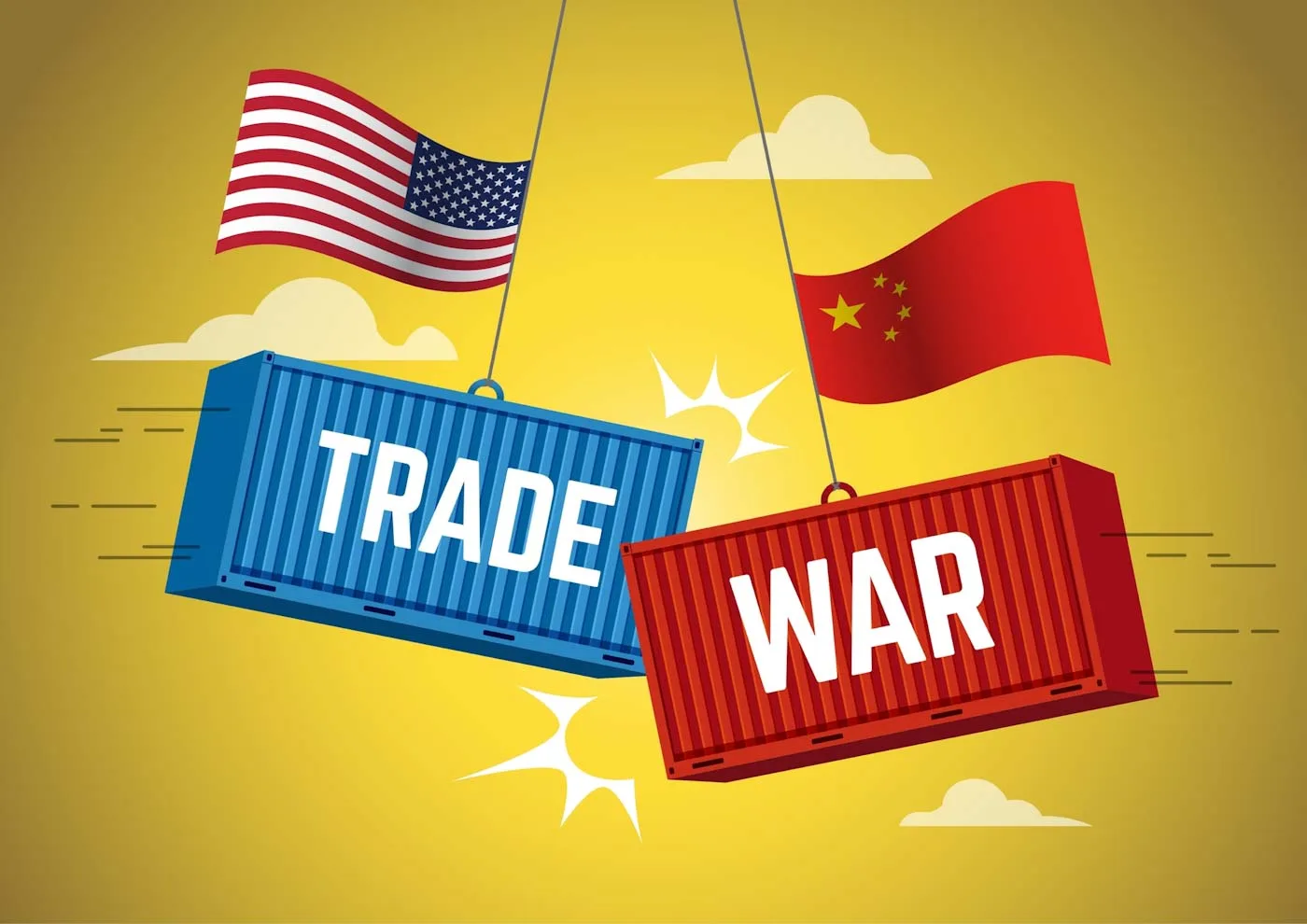
Trade War is one of the most important issues affecting the global economy today. It happens when two or more countries impose tariffs, quotas, or other trade restrictions on each other’s goods and services. The aim is usually to protect domestic industries, reduce imports, and encourage local production. However, while trade wars may provide short-term benefits to some industries, they often create long-term economic problems for countries around the world.
In recent years, the trade conflict between the United States and China became one of the largest trade wars in modern history. This dispute affected global trade, investment, manufacturing, and economic growth. Many countries, including India, experienced both opportunities and challenges because of this situation.

What is a Trade War?
A trade war is an economic conflict between countries where each country imposes tariffs or restrictions on imports from the other country. The affected country then responds with similar measures, creating a cycle of retaliation.
For example, in July 2018, the United States imposed a 25% tariff on Chinese goods worth billions of dollars. China responded by placing tariffs on American products such as agricultural goods, fruits, nuts, wine, pork, and steel products.
As these actions continued, international trade became more expensive and complicated, slowing down economic activity across the world.
Why Do Trade Wars Begin?
Trade wars generally start when a country believes that foreign imports are harming domestic industries. Governments may want to:
- Protect local manufacturers
- Reduce trade deficits
- Create jobs for domestic workers
- Increase national production
- Strengthen strategic industries
In the short term, these goals may appear beneficial. Local businesses may experience less competition from foreign products. However, long-term effects are often negative because international trade becomes less efficient and more costly.
Trade Protectionism and Trade Wars
Trade war is a form of trade protectionism. Trade protectionism refers to government policies designed to protect domestic industries from foreign competition.
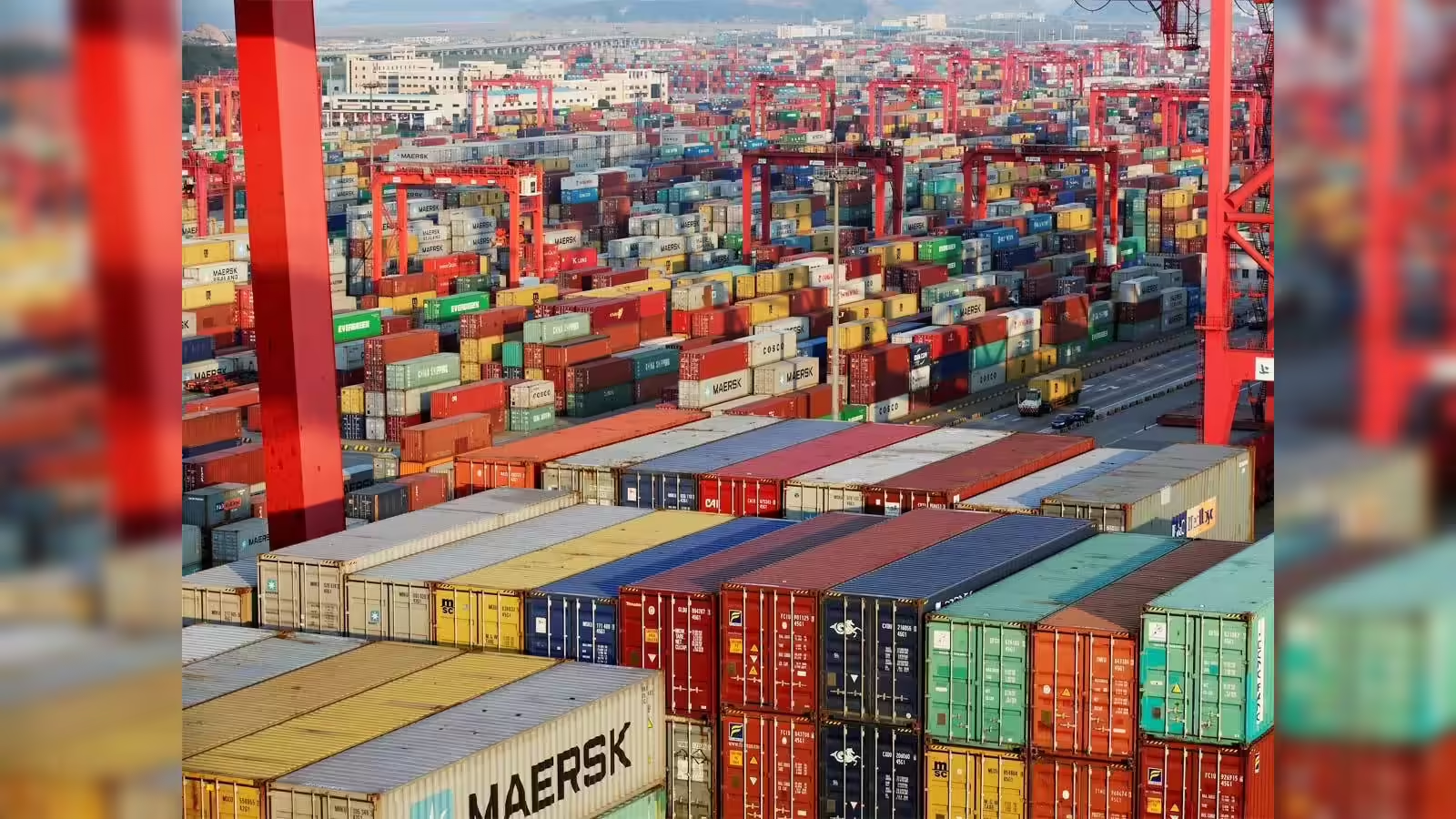
Countries use several methods to achieve this goal.
1. Tariffs
Tariffs are taxes imposed on imported goods.
When tariffs increase, imported products become more expensive. Consumers may then prefer locally produced alternatives.
For example, if imported electronics become costlier due to tariffs, consumers may purchase domestic products instead.
2. Subsidies
Governments sometimes provide financial support to local industries.
These subsidies reduce production costs, allowing domestic companies to sell products at lower prices both at home and abroad.
Export-oriented countries often use subsidies to strengthen their competitiveness in international markets.
3. Import Quotas
Import quotas limit the quantity of goods that can enter a country.
Even if foreign companies offer products at cheaper prices, they cannot sell beyond the quota limit.
This method directly restricts foreign competition.
4. Currency Devaluation
Some countries deliberately allow their currency value to decline.
A weaker currency makes exports cheaper and more attractive in international markets.
However, this may trigger retaliation from other countries and sometimes lead to a currency war.
Historical Example: The Smoot-Hawley Act
One of the most famous examples of trade protectionism is the Smoot-Hawley Tariff Act.
The law was introduced in the United States in 1930 to protect American farmers from foreign competition.
Although the intention was to support domestic agriculture, other countries responded with their own tariffs on American goods.
As a result:
- Global trade declined sharply.
- Prices increased.
- Economic conditions worsened.
- The Great Depression became more severe.
This historical example demonstrates how protectionist policies can sometimes create larger economic problems instead of solving them.
Advantages of Trade Protectionism
Supporters of trade protectionism argue that it offers several benefits.
Protection of Domestic Industries
Local businesses receive protection from foreign competitors, especially during their early stages of development.
Employment Generation
Protectionist policies may temporarily increase employment opportunities because domestic companies expand production.
Encouragement of Local Manufacturing
Companies may invest more in domestic production facilities when foreign competition is reduced.
National Economic Security
Certain industries such as defense, energy, and technology are considered strategically important and may require protection.
Disadvantages of Trade Wars
Despite some short-term benefits, trade wars create many long-term problems.
Higher Prices for Consumers
Tariffs increase the cost of imported goods.
Businesses often pass these additional costs to consumers, resulting in higher prices.
Reduced Competition
Without foreign competition, domestic companies may have less motivation to improve product quality or develop innovative products.
Slower Economic Growth
Trade restrictions reduce the movement of goods and services, slowing economic activity worldwide.
Job Losses
While some industries may gain jobs, export-dependent sectors often suffer losses when other countries impose retaliatory tariffs.
Increased Inflation
As imported products become more expensive, overall prices rise throughout the economy.
Impact of the US-China Trade War
The trade conflict between the United States and China had global consequences.
The trade dispute reduced confidence among businesses and investors. Many companies delayed investments due to uncertainty regarding future trade policies.
International organizations also observed weaker global growth because of declining trade activity.
Major impacts included:
- Reduced global trade volumes
- Lower business investments
- Disruptions in supply chains
- Slower economic growth
- Increased uncertainty in financial markets
Why Modern Trade is More Complicated
Today’s products are often manufactured using components from multiple countries.
Consider a smartphone as an example.
A phone may be designed in one country, assembled in another country, and contain parts produced in several other nations.
This means a trade war between two countries can affect many other countries connected to the same supply chain.
For example:
| Component Source | Role in Production |
|---|---|
| United States | Design and software |
| China | Assembly |
| South Korea | Display and memory chips |
| Japan | Advanced materials |
| Germany | Specialized components |
Therefore, trade wars do not affect only the countries directly involved. Many smaller economies also experience economic losses.
Criticism of Trade Wars
Many economists criticize trade wars because they often produce more costs than benefits.
Common criticisms include:
- Global trade becomes less efficient.
- Consumers pay higher prices.
- Businesses face uncertainty.
- Economic growth slows down.
- International relations become strained.
Several countries have challenged trade restrictions through the World Trade Organization>, arguing that unilateral tariffs violate international trade rules.
Opportunities for India
The US-China trade conflict created several opportunities for India.
Agricultural Exports
China reduced imports of some American agricultural products.
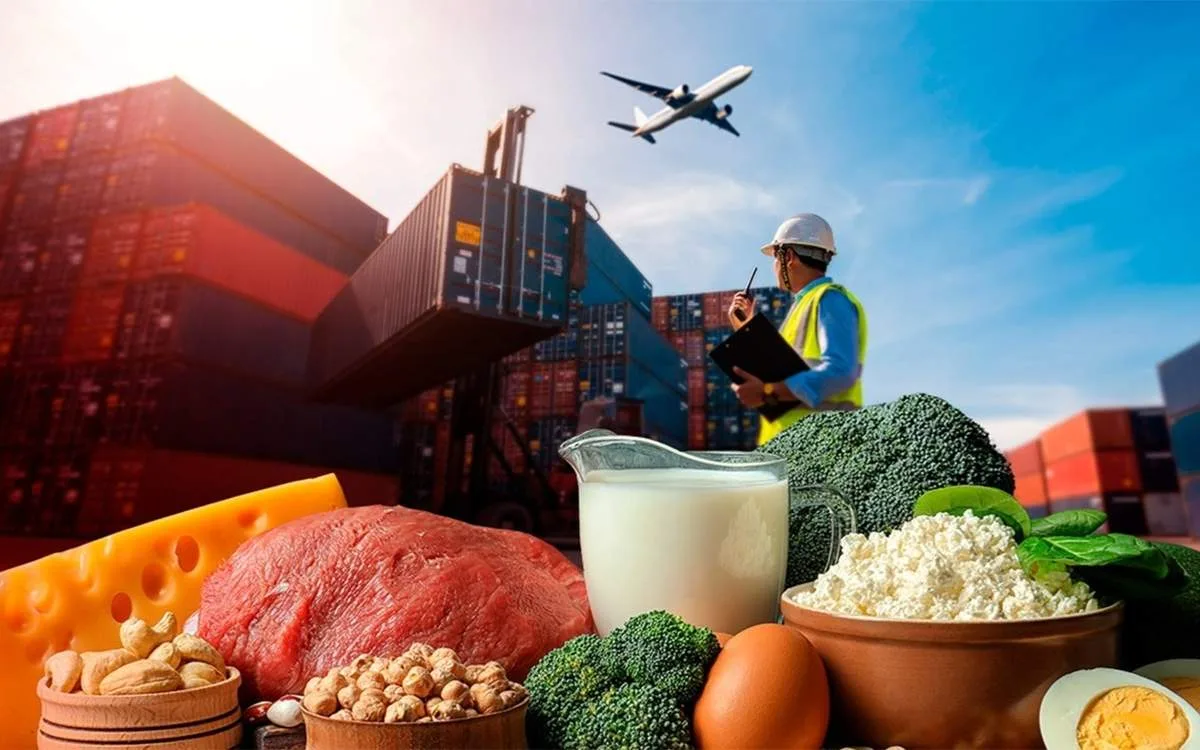
India gained opportunities to export products such as:
- Soybean
- Agricultural commodities
- Food products
Growth in Software Services
As China looked for alternatives to American technology companies, India’s software and IT industries gained potential opportunities for cooperation.
Increased Foreign Investment
Some companies shifted manufacturing operations away from China.
India emerged as an attractive destination because of:
- Large workforce
- Expanding market
- Improving infrastructure
- Government manufacturing initiatives
Export Expansion
Indian industries gained opportunities to increase exports in sectors such as:
| Sector | Opportunity |
|---|---|
| Textiles | Higher demand in global markets |
| Garments | Alternative supplier to China |
| Gems and Jewellery | Increased export potential |
| Engineering Goods | Supply chain diversification |
| Pharmaceuticals | Expansion into new markets |
Challenges for India
While opportunities exist, India also faces several risks.
Pressure on Domestic Industries
The United States has repeatedly sought lower import duties on products such as:
- Motorcycles
- Medical devices
- Dairy products
- Poultry products
Further reductions could increase competition for domestic manufacturers.
Risk of Cheap Imports
China may attempt to sell excess production in foreign markets.
Indian industries, especially steel and aluminium producers, could face challenges from cheaper imports.
Impact on Currency
Trade wars often create uncertainty in global markets.
This can weaken emerging market currencies, including the Indian Rupee.
Rising Oil Prices
Higher global tensions may increase energy costs and widen India’s current account deficit.
Export Risks
If global economic growth slows significantly, demand for Indian exports may also decline.
Role of the World Trade Organization
The World Trade Organization plays an important role in resolving international trade disputes.
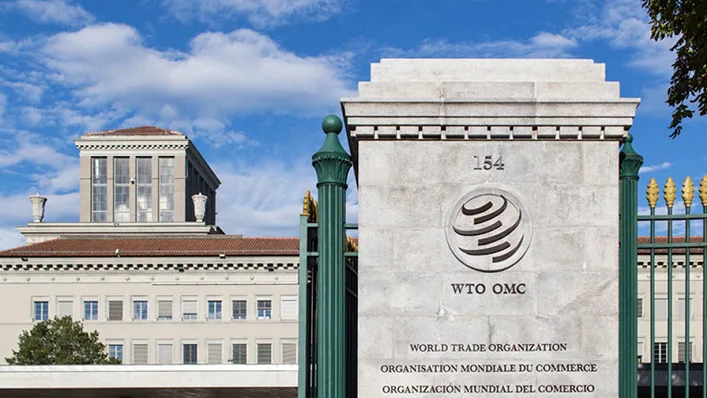
Instead of imposing unilateral tariffs, countries can use WTO mechanisms to:
- File complaints
- Seek mediation
- Resolve disputes peacefully
- Maintain global trade stability
The WTO framework helps prevent uncontrolled trade wars that could damage the world economy.
The Future of Global Trade
Global trade is becoming increasingly interconnected. Supply chains now stretch across continents, making cooperation more important than ever.
While countries may continue protecting certain industries, experts generally agree that long-term prosperity depends on:
- Open markets
- Fair competition
- International cooperation
- Strong trade institutions
- Stable trade rules
Countries that balance domestic interests with international cooperation are likely to achieve more sustainable economic growth.
FAQs
What is a trade war?
A trade war is an economic conflict where countries impose tariffs or trade restrictions on each other’s goods and services.
Why do countries start trade wars?
Countries start trade wars to protect domestic industries, reduce trade deficits, and create jobs.
What is a tariff?
A tariff is a tax imposed on imported goods, making foreign products more expensive.
How does a trade war affect consumers?
Consumers often face higher prices because tariffs increase the cost of imported products.
Which countries were involved in the major trade war of 2018?
The major trade war of 2018 involved the United States and China.
How can India benefit from a trade war?
India can increase exports, attract foreign investment, and gain opportunities in manufacturing and software services.
What role does the WTO play in trade disputes?
The WTO provides a platform for countries to resolve trade disputes through legal and diplomatic processes.
Can trade wars affect global economic growth?
Yes. Trade wars reduce international trade, increase uncertainty, and can slow economic growth worldwide.