


MSME Sector in India: Backbone of Economic Growth and Employment

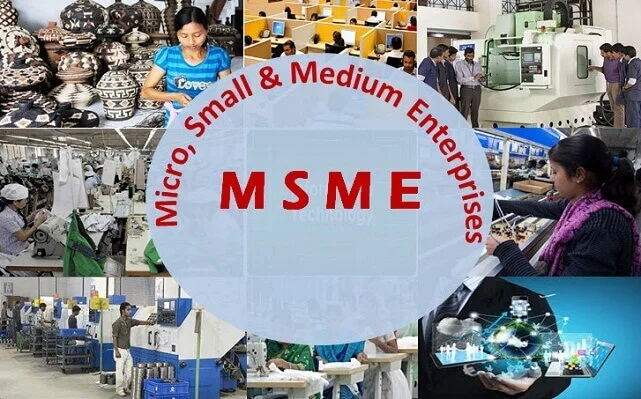
MSME Sector in India plays a vital role in the country’s economic development. Micro, Small, and Medium Enterprises (MSMEs) are often called the backbone of the Indian economy because they create jobs, encourage entrepreneurship, support exports, and promote balanced regional development.
Across the world, MSMEs are recognized as powerful engines of economic growth. They account for more than 90% of businesses in many countries and generate a large share of employment opportunities. In India, the MSME sector has emerged as a strong force that supports both urban and rural economies.

What is MSME?
MSME stands for Micro, Small, and Medium Enterprises. These businesses operate on a smaller scale compared to large corporations but collectively contribute significantly to the economy.
To simplify classification, the Government of India introduced a new system based on investment and annual turnover. This made the process more transparent and reduced the need for frequent inspections.
Importance of MSME Sector in India
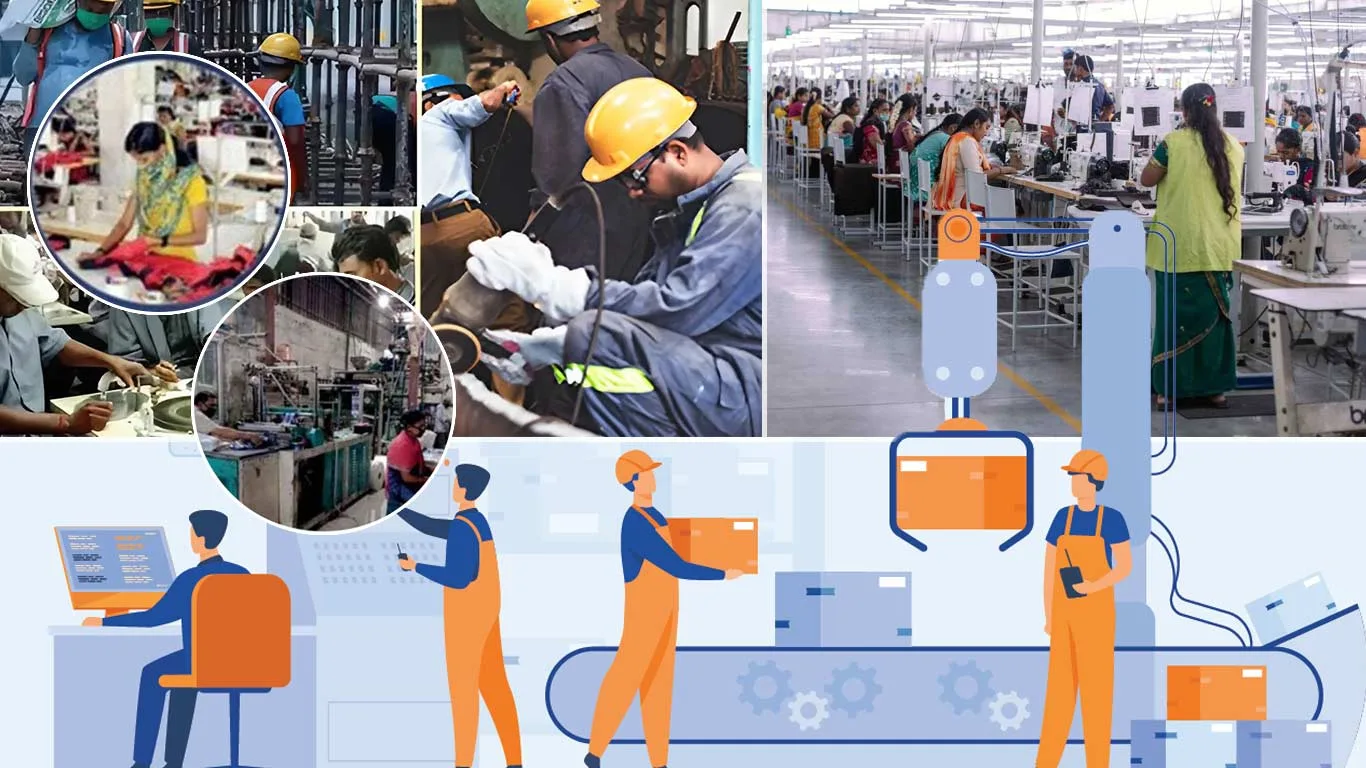
The MSME sector contributes to almost every part of the Indian economy. From manufacturing goods to providing services, these enterprises create opportunities for millions of people.
Employment Generation
One of the biggest strengths of the MSME sector is employment generation.
- It is the second-largest source of employment after agriculture.
- Around 120 million people are employed in this sector.
- MSMEs provide jobs to skilled, semi-skilled, and unskilled workers.
The sector helps reduce unemployment and improves the standard of living for millions of families.
Contribution to GDP
MSMEs contribute significantly to India’s Gross Domestic Product (GDP).
| Contribution Area | Share |
|---|---|
| Manufacturing GDP | About 6.11% |
| Service Sector GDP | About 24.63% |
| Export Contribution | Around 45% |
With millions of enterprises operating across the country, MSMEs contribute greatly to national income and economic stability.
Support to Exports
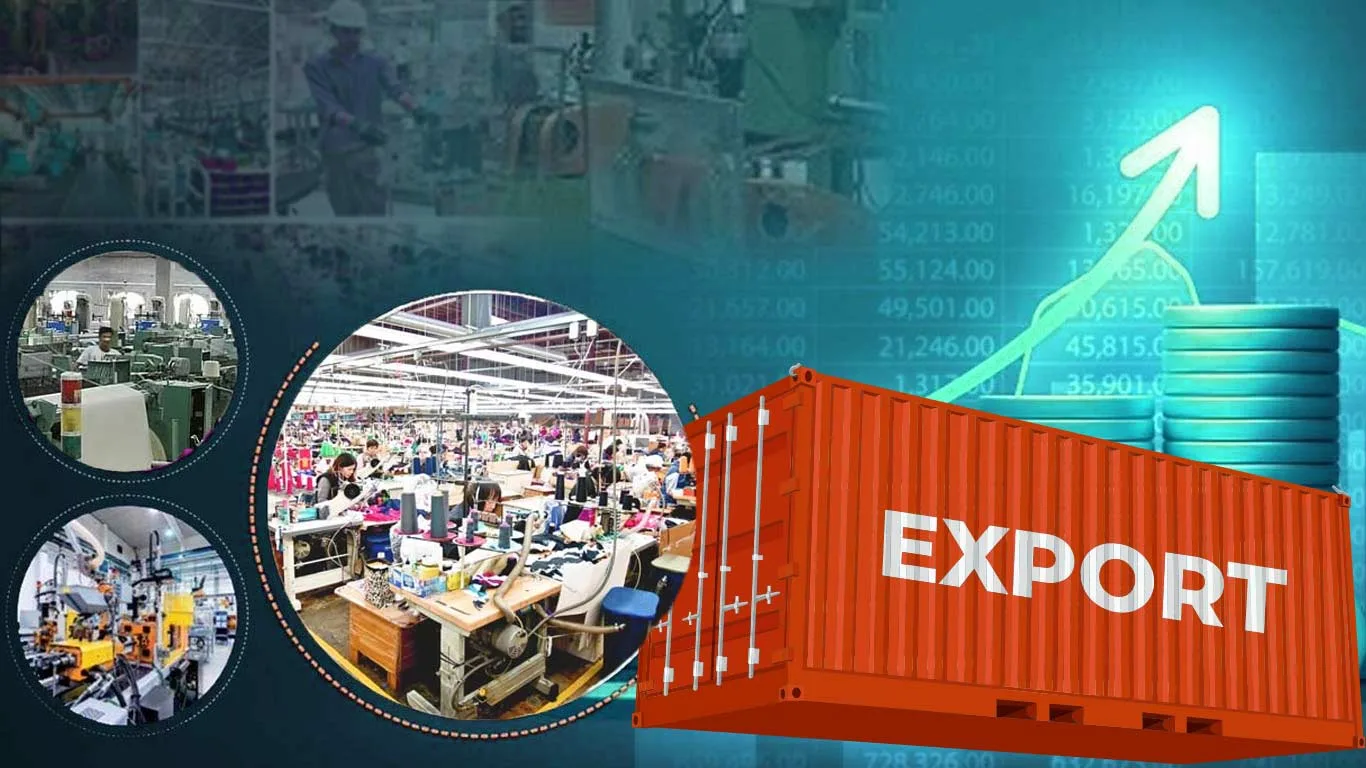
Indian MSMEs manufacture a wide variety of products that are exported worldwide.
Some major export products include:
- Textiles
- Leather goods
- Engineering products
- Handicrafts
- Processed food products
Their contribution of nearly 45% to India’s exports makes them an important part of the country’s foreign trade.
Inclusive Growth
MSMEs promote balanced economic development by creating opportunities in rural and backward regions.
Benefits include:
- Employment for rural youth
- Opportunities for women entrepreneurs
- Growth of village industries
- Reduction in migration to cities
For example, Khadi and village industries provide livelihoods to thousands of rural families with relatively low investment.
Financial Inclusion
Small businesses encourage people to use formal banking services.
As MSMEs expand, they create demand for:
- Bank accounts
- Business loans
- Insurance products
- Digital payment systems
This helps improve financial inclusion across the country.
Encouraging Innovation
Many successful startups begin as small enterprises.
MSMEs encourage:
- New business ideas
- Product innovation
- Competition
- Entrepreneurship
Young entrepreneurs often use MSMEs as a platform to introduce innovative products and services.
Factors Driving Growth of MSMEs
Several government initiatives and technological developments have accelerated MSME growth in recent years.
Government Campaigns
Programs such as:
- Skill India
- Startup India
- Digital India
- Make in India
have provided support to entrepreneurs and encouraged business expansion.
Digital Transformation
The increasing use of the internet has transformed small businesses.
Benefits include:
- Online marketing
- Digital payments
- E-commerce platforms
- Better customer reach
Digital tools allow even small businesses to compete in larger markets.
FinTech Support
New-age financial technology companies have made financing easier.
Advantages include:
- Faster loan approvals
- Collateral-free loans
- Digital credit assessment
- Improved access to working capital
Changing Employment Trends
Many young people are moving away from traditional agriculture and exploring entrepreneurship.
This shift has resulted in:
- More startups
- Self-employment opportunities
- Local job creation
Major Challenges Faced by MSMEs
Despite their importance, MSMEs face several difficulties that affect their growth.
Access to Credit
Many MSMEs struggle to obtain formal loans.
Common problems include:
- Lack of collateral
- High interest rates
- Limited credit history
- Dependence on informal lenders
Nearly 90% of MSMEs depend on informal sources of finance.
Market Access Issues
Small businesses often find it difficult to reach new customers.
Challenges include:
- Limited marketing resources
- Strong competition from large companies
- Lack of branding
- Poor market information
Technology Constraints
Many MSMEs continue to use outdated machinery and production methods.
This results in:
- Lower productivity
- Higher costs
- Reduced competitiveness
Quality and Export Challenges
Poor product quality can affect export performance.
Major issues include:
- Lack of quality certification
- Limited access to quality raw materials
- Traditional manufacturing processes
Ease of Doing Business Problems
Entrepreneurs often face:
- Complex regulations
- Delays in approvals
- Compliance burdens
- Legal disputes
These factors increase operational costs and slow business growth.
Government Measures to Support MSMEs
The government has introduced several initiatives to strengthen the MSME sector.
| Challenge | Government Initiative |
| Credit Access | 59-Minute Loan Portal |
| Interest Burden | Interest Subvention Scheme |
| Delayed Payments | TReDS Platform |
| Market Access | Government e-Marketplace (GeM) |
| Technology Upgradation | Tool Rooms and Technology Centers |
| Product Quality | ZED Certification Support |
| Compliance Burden | Simplified Annual Returns |
These measures aim to improve the business environment for small enterprises.
Important Government Schemes for MSMEs
Udyami Mitra Portal
Developed by SIDBI, this portal helps entrepreneurs access loans and business support services.
MSME Sambandh
This platform monitors procurement from MSMEs by public sector enterprises.
MSME Samadhaan
It allows entrepreneurs to report delayed payments and seek faster resolution.
Digital MSME Scheme
The scheme promotes cloud computing and digital technology adoption among MSMEs.
Prime Minister Employment Generation Programme (PMEGP)
This program provides financial assistance to new entrepreneurs through credit-linked subsidies.
SFURTI Scheme
The Scheme of Fund for Regeneration of Traditional Industries supports artisans and traditional industries through cluster development.
ASPIRE Scheme
This scheme promotes entrepreneurship, innovation, and rural industrial development.
National Manufacturing Competitiveness Programme (NMCP)
The program improves productivity, technology, and global competitiveness of MSMEs.
Credit Linked Capital Subsidy Scheme (CLCSS)
It supports technology upgrades through financial assistance.
Recent Initiatives for MSME Development
The government and financial institutions continue to introduce reforms to strengthen the sector.
Some important initiatives include:
- Proposal for stressed asset funds to support struggling businesses.
- Increased collateral-free loan limits.
- Development of MSME clusters across India.
- Enterprise Facilitation Centers to support small businesses.
- Greater integration of MSMEs with large industries.
These initiatives are expected to improve productivity and generate more employment.
Global Importance of MSMEs
According to international studies, MSMEs contribute significantly to employment and GDP in developing economies.
Globally:
| Area | Contribution |
| Employment | Up to 60% |
| GDP Contribution | Up to 40% |
| New Job Creation | 4 out of 5 new jobs |
Despite these achievements, access to finance remains a major challenge worldwide.
As global markets become increasingly digital, MSMEs must adapt to new technologies and business models to remain competitive.
Future of MSME Sector in India
The future of India’s MSME sector is promising. With growing digital adoption, better access to finance, and government support, MSMEs can become stronger contributors to economic growth.
Key areas that need attention include:
- Skill development
- Modern technology adoption
- Better infrastructure
- Improved market access
- Easier financing
- Quality certification
- Export competitiveness
Investment in these areas will help Indian MSMEs compete globally and create more employment opportunities.
The MSME sector continues to be one of the strongest pillars of India’s economy. By supporting entrepreneurship, creating jobs, promoting innovation, and strengthening exports, MSMEs contribute directly to national development and economic resilience. Their continued growth will play a crucial role in shaping India’s future as a major global economic power.
FAQs
What does MSME stand for?
MSME stands for Micro, Small, and Medium Enterprises.
Why is the MSME sector important in India?
The sector creates employment, supports exports, promotes innovation, and contributes significantly to GDP.
How many people are employed in the MSME sector?
Around 120 million people are employed directly or indirectly through MSMEs in India.
What are the major challenges faced by MSMEs?
Access to finance, market competition, technology limitations, and regulatory compliance are major challenges.
Which government scheme supports entrepreneurship in MSMEs?
The Prime Minister Employment Generation Programme (PMEGP) is one of the major schemes supporting entrepreneurship.
How do MSMEs contribute to exports?
MSMEs contribute nearly 45% of India’s total exports through products such as textiles, engineering goods, handicrafts, and food products.
What is MSME Samadhaan?
MSME Samadhaan is an online platform that helps entrepreneurs address delayed payment issues.
How does digital technology help MSMEs?
Digital technology improves marketing, customer reach, payment systems, productivity, and overall business efficiency.