



Uranus Planet Study Reveals New Clues

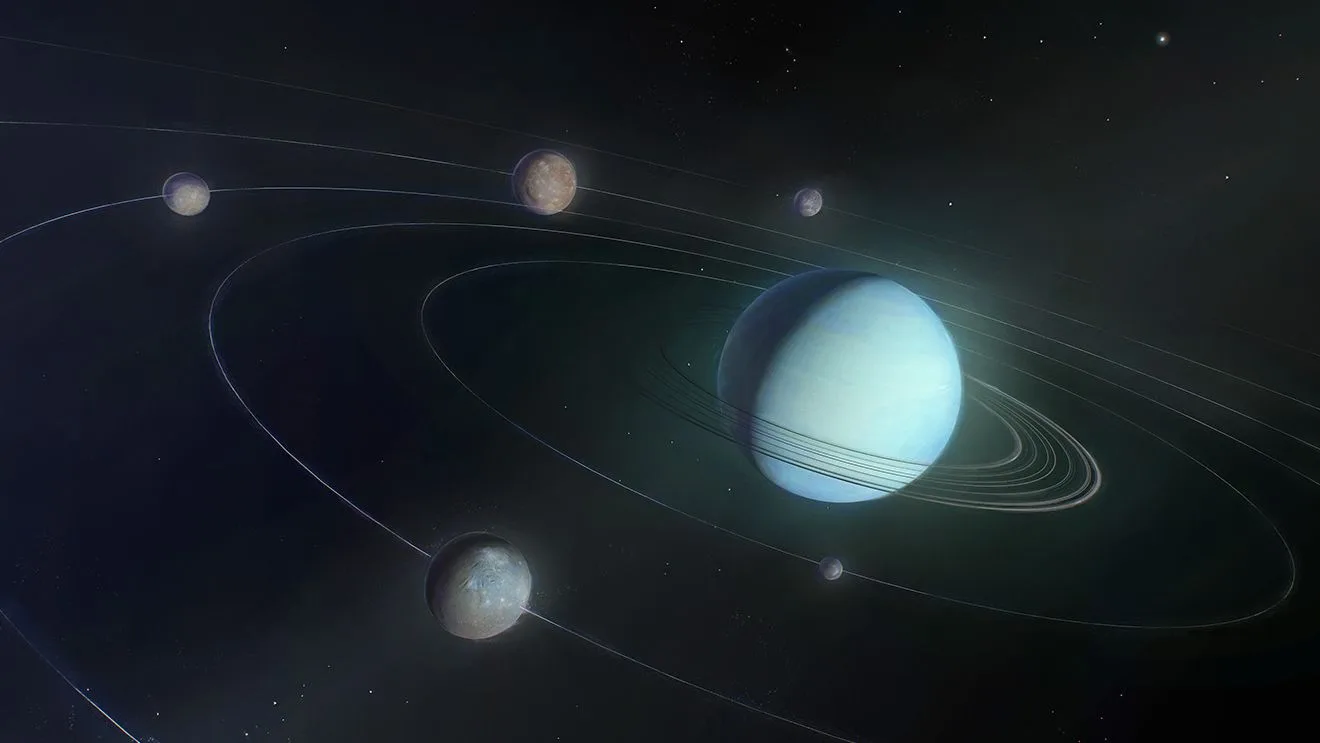
Uranus Planet Study is gaining attention as scientists explore new ideas about the early Solar System. In June 2026, researchers focused on Uranus to understand whether there were more giant planets in the past that later disappeared. These planets may have been pushed out of the Solar System into deep space.
Thank you for reading this post, don't forget to subscribe!By studying Uranus, its moons, and its rings, scientists are trying to piece together how the Solar System changed over billions of years. This research is part of a larger effort to understand planetary formation and movement.
Uranus and Its Unique Features
Uranus is the seventh planet from the Sun and is known for its unusual characteristics. It belongs to a group called ice giants, along with Neptune. These planets are different from gas giants like Jupiter and Saturn.
One of the most interesting features of Uranus is its tilt. The planet rotates at an angle of about 98 degrees, which makes it appear as if it is rolling on its side. This creates extreme seasons and unusual weather patterns.
Uranus also has 29 known moons. Some of its major moons include Miranda, Ariel, Umbriel, Titania, and Oberon. These moons play an important role in understanding the planet’s history.
Studying Moons to Understand the Past
Scientists are using computer simulations to study how Uranus and its moons may have evolved. In recent research, over 100 different scenarios were tested to see how the Solar System could have changed over time.
These simulations showed that the current arrangement of Uranus’ moons might not be possible without major changes in the past. One idea is that additional giant planets once existed and later moved out of the Solar System.
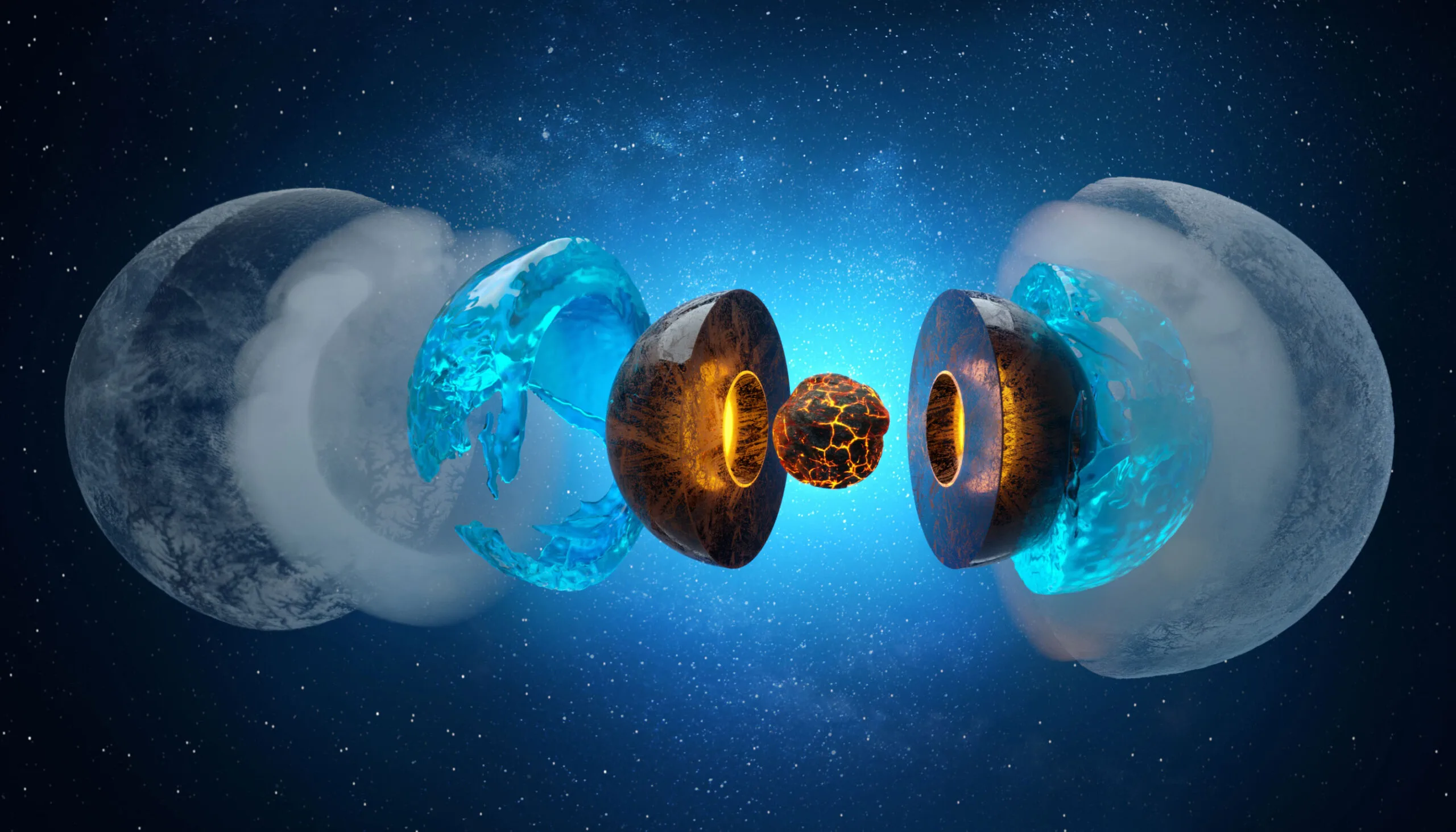
Miranda, one of Uranus’ moons, is especially important in this research. Its surface shows signs of disruption, which suggests that it may have been broken apart and reformed in the past.
Clues from Planetary Movement
The early Solar System is believed to have been more chaotic than it is today. Planets may have shifted positions, collided, or even been ejected into space.
By studying Uranus and comparing it with other planets like Jupiter, scientists are trying to understand how these changes happened. The movement of giant planets could have affected the orbits of smaller bodies, including moons and asteroids.
This research helps explain why the Solar System looks the way it does today. It also provides insights into how other planetary systems in the universe might have formed.
Rings and Possible Hidden Moons
Uranus also has a system of narrow rings made of ice, dust, and rocky material. These rings were first discovered in 1977 using Earth-based observations.
Recent studies in 2026 suggest that there could be more moons around Uranus that have not yet been discovered. Small moons can influence the shape and structure of rings by creating gaps or edges.
By observing these patterns, scientists can predict the presence of hidden moons. This makes Uranus an exciting target for further exploration.
Role of Advanced Research and Technology
Modern technology is helping scientists study Uranus in more detail than ever before. Computer simulations, space telescopes, and advanced data analysis tools are all being used in this research.
Even though only one spacecraft, Voyager 2, has visited Uranus in the past, new missions are being discussed. These future missions could provide more direct data about the planet and its environment.
Scientific journals and global research collaborations are also playing a key role in sharing new findings and ideas.
Growing Interest in Space Exploration
The Uranus Planet Study reflects a wider trend in space research. Scientists around the world are focusing more on understanding the origins of planets and the possibility of unknown objects in space.
With new discoveries being made regularly, interest in space science is growing among both researchers and the public. Topics like planetary migration, hidden planets, and deep space exploration are becoming more popular.
As research continues, Uranus remains an important piece of the puzzle in understanding the history and future of our Solar System.