


Sugar Industry in India: Growth, Challenges and Future Opportunities

Sugar Industry is one of the most important agro-based industries in India. It plays a major role in the country’s economy by providing employment, supporting millions of farmers, and contributing to the production of sugar, ethanol, electricity, paper, and other products. India is among the world’s largest producers of sugar and sugarcane, and the industry continues to be an important pillar of rural development.
Thank you for reading this post, don't forget to subscribe!Recently, the Government of India increased the Fair and Remunerative Price (FRP) of sugarcane to support farmers and ensure better returns for their produce. The decision highlights the importance of the sugar sector in India’s agricultural and industrial growth.
Overview of the Sugar Industry in India
India is one of the leading sugar-producing countries in the world. The country produces millions of tonnes of sugar every year and competes with major producers such as Brazil. Due to favorable climatic conditions and a large farming community, sugarcane cultivation is spread across many states.
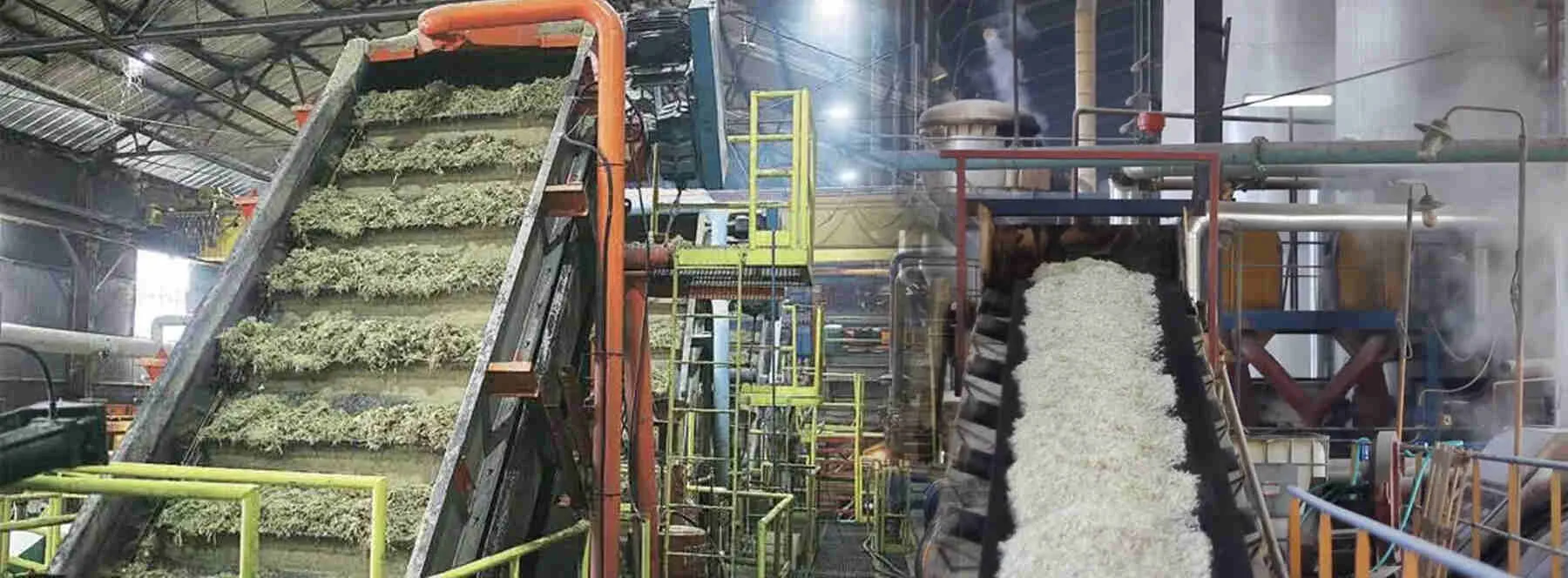
The sugar industry connects agriculture with manufacturing. Sugarcane grown by farmers is processed in sugar mills, which then produce sugar and several valuable by-products.
Major Sugar Producing States
| Northern States | Southern States |
|---|---|
| Uttar Pradesh | Maharashtra |
| Bihar | Karnataka |
| Haryana | Tamil Nadu |
| Punjab | Andhra Pradesh |
| Uttarakhand | Telangana |
Southern states generally have a tropical climate that helps sugarcane develop a higher sucrose content. As a result, sugar recovery rates are often higher than in northern states.
Importance of the Sugar Industry
The sugar industry contributes significantly to India’s economy and rural livelihood.
1. Employment Generation
The industry provides direct and indirect employment to millions of people. It supports:
- Sugarcane farmers
- Farm workers
- Transport operators
- Sugar mill employees
- Workers in related industries
More than 50 million farmers and their family members depend on sugarcane cultivation for their income.
2. Support to Rural Economy
Many rural districts in states like Uttar Pradesh, Maharashtra, Karnataka, and Tamil Nadu depend heavily on sugarcane cultivation and sugar mills. The industry creates business opportunities and improves economic activity in villages.
3. Contribution Through By-products
Sugarcane is a multi-purpose crop. Apart from sugar, several valuable products are produced.
| By-product | Uses |
| Molasses | Ethanol production, animal feed |
| Bagasse | Fuel, electricity generation, paper manufacturing |
| Press Mud | Organic fertilizer |
| Ethanol | Biofuel blending with petrol |
These by-products increase the overall value of sugarcane and create additional sources of income.
Sugar Industry and Ethanol Production
One of the biggest developments in recent years is the growing use of sugarcane for ethanol production.
Ethanol is a renewable fuel that is blended with petrol. This helps:
- Reduce dependence on imported crude oil
- Lower air pollution
- Save foreign exchange
- Promote clean energy
The government has encouraged sugar mills to divert excess sugarcane and molasses towards ethanol production. This policy benefits both sugar mills and farmers by creating an additional market for sugarcane.
Fair and Remunerative Price (FRP)
The Fair and Remunerative Price (FRP) is the minimum price that sugar mills must pay farmers for sugarcane.
The FRP is decided by the Government of India based on recommendations from the Commission for Agricultural Costs and Prices (CACP).
Benefits of FRP
- Ensures minimum income for farmers
- Protects farmers from market fluctuations
- Encourages sugarcane cultivation
- Provides price stability
The government also rewards mills and farmers when sugar recovery rates increase.
State Advised Price (SAP)
Some states announce a State Advised Price (SAP), which is generally higher than the FRP.
States Using SAP
Farmers in these states often receive better prices compared to the national minimum rate.
Major Challenges Facing the Sugar Industry
Despite its importance, the sugar industry faces several difficulties.
1. Fluctuating Production
Sugar production changes every year due to:
- Weather conditions
- Water availability
- Changes in crop patterns
Farmers may shift to crops such as cotton, rice, or oilseeds, affecting sugarcane supply.
2. Low Sugarcane Productivity
India’s sugarcane yield per hectare is lower than several major sugar-producing countries.
Low productivity increases production costs and reduces profitability.
3. Short Crushing Season
Sugar mills generally operate for only 4 to 7 months each year.
This creates challenges such as:
- Seasonal employment
- Underutilization of machinery
- Lower annual profits
4. Low Sugar Recovery Rate
The sugar recovery rate refers to the amount of sugar extracted from sugarcane.
Many Indian mills have recovery rates below global standards, reducing overall efficiency.
5. High Production Cost
Several factors contribute to high production costs:
- Expensive sugarcane procurement
- Outdated machinery
- High operational expenses
- Transportation costs
Many mills are small in size and cannot fully benefit from large-scale production.
6. Delayed Payments to Farmers
When sugar prices fall or mills face financial problems, payments to farmers are often delayed.
This creates cash flow problems for farmers and affects future cultivation.
7. Government Regulations
Frequent policy changes regarding:
- Sugar exports
- Stock limits
- Import duties
- Pricing controls
can create uncertainty for sugar mills and investors.
Government Initiatives for the Sugar Sector
The government has introduced several reforms to strengthen the industry.
Rangarajan Committee Recommendations
The committee suggested:
- Reducing government controls
- Encouraging market-based pricing
- Allowing freer sugar exports
- Improving competition among sugar mills
- Promoting better use of by-products
These recommendations aimed to improve the financial health of sugar mills and ensure timely payments to farmers.
Sugar Sector De-regulation
The government removed several restrictions on sugar sales and production.
Benefits of De-regulation
| Reform | Benefit |
| Removal of levy sugar system | Better cash flow for mills |
| Free sale of sugar | Increased market flexibility |
| Reduced inventory burden | Lower storage costs |
| Better pricing freedom | Improved profitability |
These changes have helped modernize the industry.
Why the Government Supports Sugar Production
The government encourages sugar production not only for food needs but also for energy security.
Key Reasons
Reduce Crude Oil Imports
India imports a large share of its crude oil requirement. Ethanol blending reduces dependence on imported fuel.
Promote Green Energy
Ethanol burns cleaner than conventional fossil fuels and helps reduce pollution.
Increase Farmer Income
Additional demand for sugarcane improves earnings for farmers.
Solve Surplus Sugar Problems
Converting excess sugar into ethanol helps maintain balance in the sugar market.
Future Opportunities for the Sugar Industry
The future of India’s sugar sector depends on modernization and diversification.
Technological Upgradation
Many sugar mills require modern machinery and advanced processing technologies.
Benefits include:
- Higher efficiency
- Better sugar recovery
- Lower production costs
- Reduced wastage
Expansion of Ethanol Production
Ethanol production offers a major growth opportunity.

Increasing ethanol output can:
- Improve mill revenues
- Reduce sugar surplus
- Ensure faster farmer payments
Better Utilization of By-products
Industries can generate additional income through:
- Bagasse-based power generation
- Paper manufacturing
- Organic fertilizers
- Industrial alcohol production
Encouraging Exports
When domestic production exceeds demand, exports can help stabilize sugar prices and support mill profitability.
Research and Development
Investment in research can help develop:
- High-yield sugarcane varieties
- Disease-resistant crops
- Water-efficient farming methods
- Advanced processing technologies
The Road Ahead
The sugar industry remains one of India’s most important agricultural industries. It supports millions of farmers, creates employment opportunities, and contributes to the production of sugar, ethanol, electricity, and other valuable products. Continued reforms, modernization of mills, expansion of ethanol production, and efficient use of by-products can make the sector more profitable and sustainable. With the right policies and technological improvements, the sugar industry can continue to play a major role in India’s economic growth and energy security for many years to come.
FAQs
1. What is the sugar industry?
The sugar industry is an agro-based industry that processes sugarcane into sugar and produces by-products such as ethanol, molasses, and bagasse.
2. Which state is the largest producer of sugarcane in India?
Uttar Pradesh is the largest producer of sugarcane in India.
3. What is FRP in the sugar industry?
FRP stands for Fair and Remunerative Price, which is the minimum price sugar mills must pay farmers for sugarcane.
4. What is SAP?
SAP stands for State Advised Price, a higher sugarcane price fixed by some state governments.
5. Why is ethanol important for India?
Ethanol helps reduce crude oil imports, lowers pollution, and supports clean energy goals.
6. What are the major by-products of sugarcane?
Major by-products include molasses, bagasse, ethanol, and press mud.
7. What are the main problems of the sugar industry?
Major challenges include low productivity, high production costs, delayed payments, and fluctuating sugar prices.
8. How does the sugar industry help farmers?
It provides a stable market for sugarcane, supports rural employment, and creates income opportunities through government price support systems.