

Iron and Steel Industry in India: Growth, Challenges and Future Opportunities

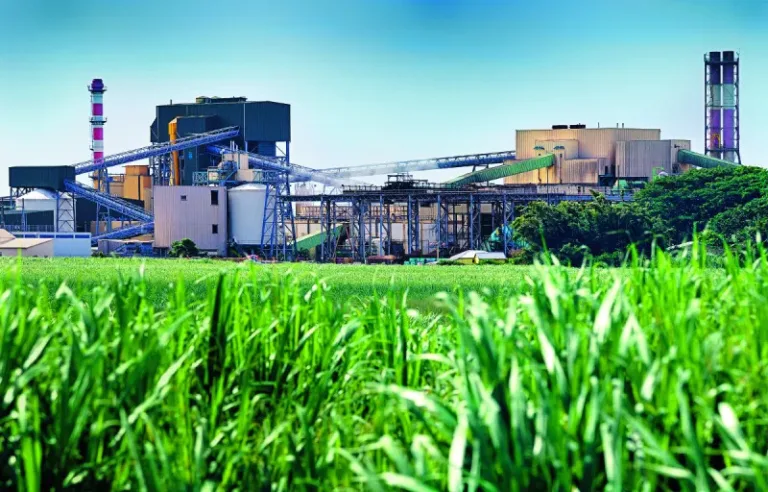
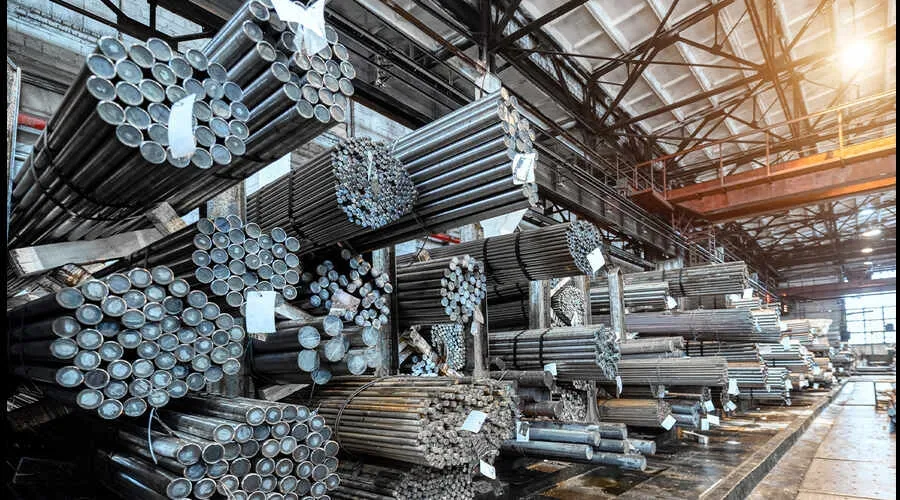
Iron and Steel Industry in India is one of the most important industries supporting the country’s economic development. Steel is considered the backbone of modern infrastructure and industrial growth. It is widely used in construction, transportation, automobiles, railways, machinery, defense, and various manufacturing sectors.
India is among the leading steel-producing nations in the world. The availability of rich iron ore reserves, skilled workforce, growing domestic demand, and supportive government policies have helped the Indian steel sector achieve significant growth over the years.

Overview of the Iron and Steel Industry in India
The steel industry plays a vital role in India’s industrial development. India is one of the world’s largest producers of crude steel and is also the largest producer of sponge iron.
Some key highlights of the industry include:
| Particulars | Details |
|---|---|
| Global Position in Steel Production | Among the top steel-producing countries |
| Largest Producer of Sponge Iron | India |
| Major Raw Material | Iron Ore |
| Main Consumers | Construction, Railways, Automobile, Infrastructure |
| Key Policy | National Steel Policy 2017 |
| FDI Policy | 100% FDI allowed under automatic route |
The growth of the Indian steel industry has been supported by the easy availability of iron ore, low-cost labor, and increasing infrastructure projects across the country.
Development of the Steel Sector After Economic Reforms
The economic reforms introduced in 1991 brought major changes to the steel industry.
Important reforms included:
- Removal of industrial licensing requirements.
- Opening the sector to private companies.
- Permission for 100% Foreign Direct Investment (FDI).
- Removal of price controls.
- Reduction in import duties.
- Liberalization of export and import policies.
These reforms encouraged domestic and foreign investments and helped improve the competitiveness of Indian steel manufacturers.
Growth of the Indian Steel Industry
The Indian steel industry has experienced rapid growth over the past few decades.
Many existing steel plants have expanded their production capacity, while several new plants have been established using modern technologies.

Factors driving growth include:
- Rising urbanization.
- Growth in infrastructure projects.
- Expansion of the automobile sector.
- Increased railway development.
- Government investment in construction projects.
Today, India has developed a strong steel manufacturing base that supports various sectors of the economy.
Pig Iron Production in India
Pig iron is the basic product obtained directly from a blast furnace.
It serves as an important raw material for steel production and foundry industries.
Features of Pig Iron Industry
- Private companies contribute most of the production.
- India exports pig iron to several countries.
- Domestic demand remains strong due to industrial growth.
Uses of Pig Iron
| Sector | Usage |
| Steel Plants | Steel manufacturing |
| Engineering Industry | Machinery production |
| Automobile Sector | Component manufacturing |
| Foundries | Casting and molding |
Sponge Iron Industry in India
India is the world’s leading producer of sponge iron.
Sponge iron is produced by removing oxygen from iron ore without melting it completely. This process is known as direct reduction.
Advantages of Sponge Iron
- Lower production cost.
- Reduced dependence on imported scrap.
- Suitable for electric arc furnaces.
Many sponge iron units are located in mineral-rich states such as:
- Odisha
- Chhattisgarh
- Jharkhand
- Karnataka
Import and Export of Iron and Steel
India has been involved in steel exports for several decades.
Although exports have increased significantly after economic liberalization, rising domestic demand has reduced the growth rate of exports.
Major Exported Products
- Finished steel products
- Pig iron
- Steel pipes
- Engineering steel products
Import Requirements
India imports:
- High-grade steel
- Special alloy steel
- Coking coal
- Advanced steel products
Imports help meet the demand that domestic production cannot fully satisfy.
Expansion of Private Sector Capacity
Private sector participation has transformed the steel industry.
Large investments have been made in states rich in mineral resources.
Major Steel-Producing States
| State | Importance |
| Odisha | Rich iron ore reserves |
| Jharkhand | Mining and steel production |
| Chhattisgarh | Integrated steel plants |
| Karnataka | Iron ore mining |
| West Bengal | Steel processing and manufacturing |
The National Steel Policy aims to significantly increase steel production capacity in the coming years.
Demand and Availability of Steel
Steel demand in India continues to grow because of:
- Smart city projects
- Highway construction
- Railway modernization
- Housing development
- Industrial expansion
The government regularly interacts with steel consumers and producers to address supply-related issues and improve product quality.
Steel Pricing in India
Since 1992, steel prices have been determined by market forces.
Several factors influence steel prices:
- Raw material costs
- Demand and supply conditions
- International market trends
- Transportation expenses
- Energy costs
The government monitors steel prices and takes necessary measures whenever market distortions occur.
Government Initiatives for the Steel Industry
The government has launched several measures to support the growth of the steel sector.
National Steel Policy 2017
The policy aims to make India a globally competitive steel producer.
Vision
To create a technologically advanced and globally competitive steel industry.
Mission
- Achieve self-sufficiency in steel production.
- Encourage capacity expansion.
- Improve raw material availability.
- Enhance domestic demand.
- Promote technological advancement.
Main Objectives
| Objective | Target |
| Per Capita Steel Consumption | 160 kg by 2030-31 |
| Higher Steel Production Capacity | Major increase by 2030-31 |
| Reduced Dependence on Imports | Greater domestic production |
| Energy Efficiency | Global standards |
| Environmental Sustainability | Lower carbon emissions |
Research and Technology Development
The Ministry of Steel supports research through the Steel Research and Technology Mission of India (SRTMI).
Research focuses on:
- Advanced steel production.
- Energy efficiency.
- Special steel development.
- Environment-friendly technologies.
- Improved manufacturing processes.
Technology development helps Indian companies compete in global markets.
Environmental Management in the Steel Industry
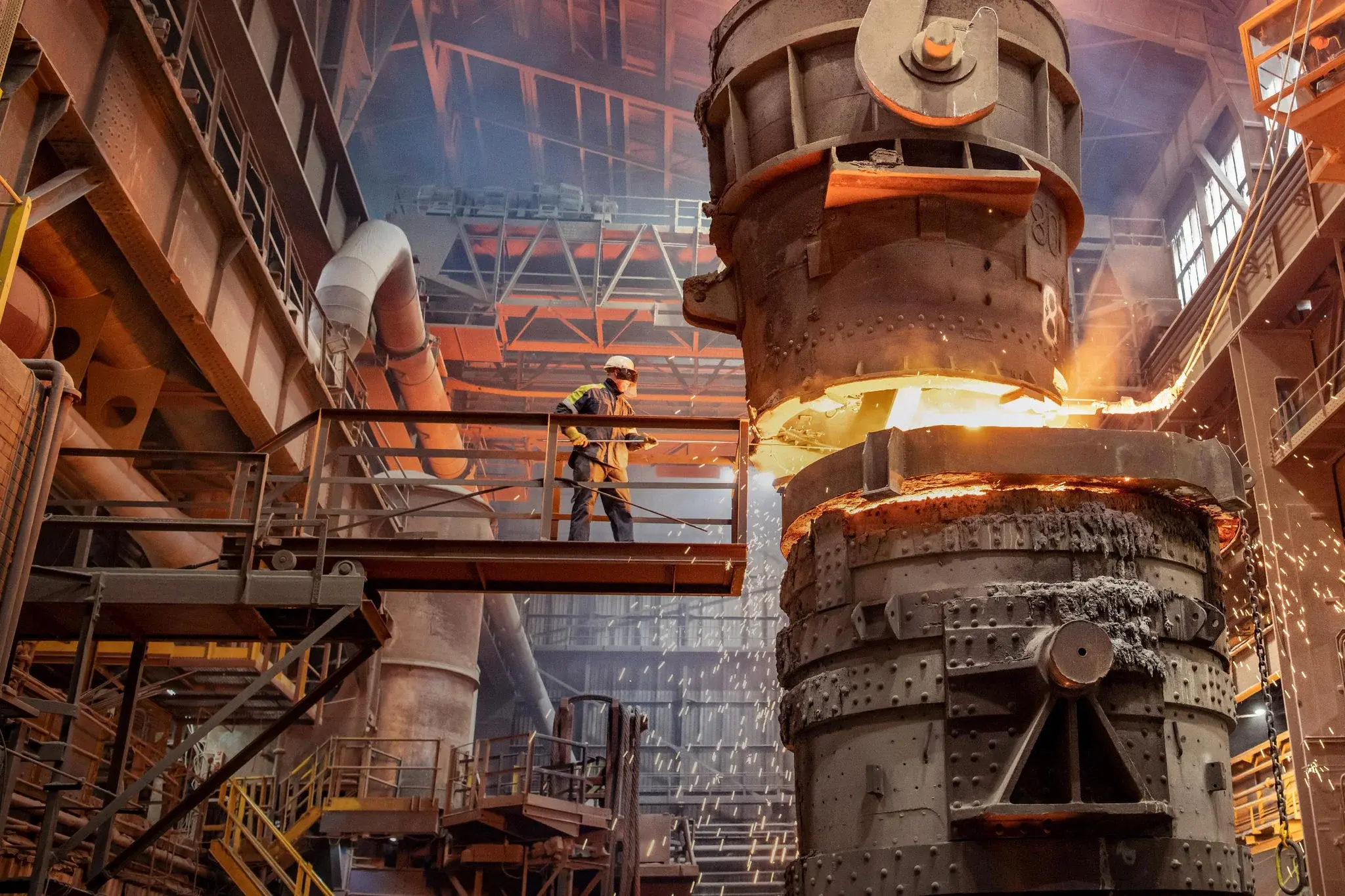
Steel manufacturing can affect the environment if not properly managed.
Steel companies must comply with environmental regulations and obtain clearances before setting up plants.
Environmental Measures
- Pollution control equipment installation.
- Waste management systems.
- Water conservation practices.
- Emission reduction technologies.
- Recycling and reuse of industrial waste.
These measures help reduce environmental impact while maintaining industrial growth.
Energy Management in Steel Plants
Energy consumption is one of the biggest challenges for steel manufacturing.
Many Indian steel plants historically consumed more energy compared to advanced plants in developed countries.
Reasons for High Energy Consumption
- Older technology.
- Poor quality raw materials.
- Inefficient operating practices.
- Outdated equipment.
Improvement Measures
- Technological upgrades.
- Waste heat recovery systems.
- Better quality inputs.
- Modern production methods.
- Energy-efficient machinery.
These initiatives are helping reduce energy costs and improve productivity.
Major Problems of the Iron and Steel Industry
Despite strong growth, the industry faces several challenges.
Key Problems
- High production costs.
- Competition from cheap imports.
- Fluctuating global steel prices.
- Infrastructure bottlenecks.
- Delays in project approvals.
- Shortage of quality coking coal.
- Non-performing assets (NPAs) in the banking sector.
- Outdated technology in some public sector units.
- Power and coal supply issues.
- Global oversupply of steel.
Countries such as China, Japan, South Korea, and Russia often export steel at competitive prices, creating pressure on domestic manufacturers.
Suggestions for Future Growth
Several steps can strengthen the Indian steel sector:
Modernization
- Replace outdated machinery.
- Adopt advanced manufacturing technologies.
Financial Support
- Encourage long-term investment.
- Improve access to affordable finance.
Infrastructure Development
- Expand transportation networks.
- Improve logistics facilities.
Trade Protection
- Implement anti-dumping measures when necessary.
- Protect domestic producers from unfair competition.
Green Technology
- Promote low-carbon steel production.
- Encourage environmentally sustainable manufacturing.
Increase Domestic Demand
- Expand infrastructure projects.
- Support automobile and railway growth.
Future of the Iron and Steel Industry in India
The future of the Iron and Steel Industry in India appears promising. Rapid urbanization, infrastructure development, industrial expansion, and government support are expected to increase steel demand significantly.
India’s per capita steel consumption remains lower than many developed countries, which indicates substantial room for future growth. The construction of roads, bridges, airports, railways, housing projects, and industrial corridors will further boost steel consumption.
With continuous modernization, technological improvements, and supportive policies, India has the potential to become one of the world’s strongest steel manufacturing hubs in the coming decades.
FAQs
1. Why is the iron and steel industry important in India?
The industry supports infrastructure, construction, transportation, defense, and manufacturing sectors, making it essential for economic growth.
2. Which country is the largest producer of steel in the world?
China is the largest steel producer in the world.
3. Which state is famous for steel production in India?
Odisha, Jharkhand, Chhattisgarh, Karnataka, and West Bengal are major steel-producing states.
4. What is sponge iron?
Sponge iron is produced by directly reducing iron ore without melting it completely.
5. What is the National Steel Policy 2017?
It is a government policy aimed at making India a globally competitive and technologically advanced steel producer.
6. What are the major challenges faced by the steel industry?
High production costs, cheap imports, infrastructure issues, outdated technology, and fluctuating global prices are major challenges.
7. How does the steel industry contribute to economic development?
It generates employment, supports industrial production, promotes infrastructure development, and increases exports.
8. What is the future of the steel industry in India?
The future is bright due to growing infrastructure projects, urbanization, industrial expansion, and government support.