


Minerals: Types, Distribution and Importance of Minerals in India

Minerals in India are one of the most valuable natural resources of the country. They play an important role in the development of industries, transport, electricity production, construction, and modern technology. Almost every object we use in daily life depends directly or indirectly on minerals. Iron is used to make machines and buildings, copper is used in electric wires, coal is used to generate electricity, and petroleum is used as fuel for vehicles.
Thank you for reading this post, don't forget to subscribe!India is rich in many types of minerals. Different regions of the country contain different mineral resources. Some minerals are metallic, while others are non-metallic. Minerals are also important because they provide employment opportunities and help in economic growth.
The earth contains many natural elements and substances. These substances combine in different ways to form minerals. Minerals are found deep inside the earth’s crust and are obtained through mining. They are formed naturally over millions of years through geological processes.
What are Elements Found on Earth?
The earth is made up of many natural elements. These elements are found in solid form on the outer layer of the earth and in molten form inside the earth.
About 98 percent of the earth’s crust is made up of eight major elements:
- Oxygen
- Silicon
- Aluminum
- Iron
- Calcium
- Sodium
- Potassium
- Magnesium
Apart from these, other elements such as titanium, phosphorus, sulfur, carbon, nickel, and hydrogen are also found in smaller quantities.
These elements combine together to form rocks and minerals.
What are Minerals?
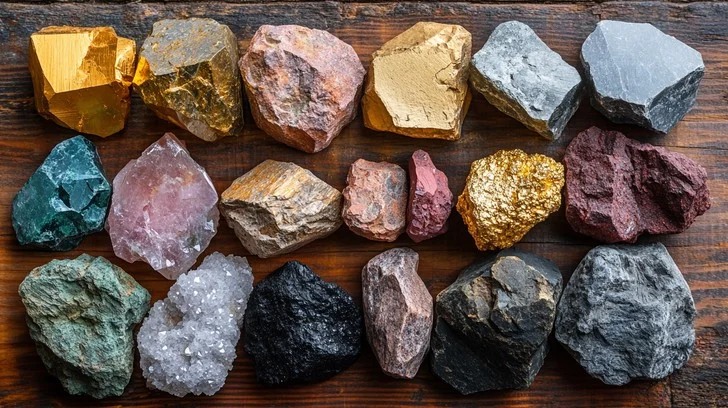
A mineral is a naturally occurring substance found inside the earth. It has a definite chemical composition and a fixed internal structure.
Minerals may be made of one element or a combination of several elements. For example:
- Gold and silver are single-element minerals.
- Quartz and feldspar are made of more than one element.
There are more than 2,000 identified minerals on earth, but only a few are commonly found and used.
Minerals are formed from magma, which is hot molten material present inside the earth. When magma cools slowly, mineral crystals are formed. These minerals later combine to form rocks.
Some minerals are also formed from organic materials. For example:
- Coal
- Petroleum
- Natural gas
These are called mineral fuels or fossil fuels.
Formation of Minerals
Minerals are formed through different natural processes. The major methods of mineral formation are:
Cooling of Magma
When molten magma cools inside the earth, mineral crystals are formed. This is one of the most common methods of mineral formation.
Evaporation
Minerals like salt and gypsum are formed when water evaporates from lakes and seas.
Organic Processes
Coal and petroleum are formed from dead plants and animals buried under the earth for millions of years.
Heat and Pressure
Some minerals are formed due to high temperature and pressure inside the earth.
Physical Characteristics of Minerals
Minerals have different physical properties that help in identifying them.
1. Crystal Form
Minerals have different crystal shapes because of their internal atomic arrangement.
Common shapes include:
- Cubes
- Hexagonal prisms
- Octahedrons
2. Cleavage
Cleavage is the tendency of a mineral to break along smooth surfaces.
Some minerals break in one direction while others break in many directions.
3. Fracture
When minerals do not break along smooth surfaces, they break irregularly. This is called fracture.
4. Luster
Luster means the shine of a mineral.
Different minerals may appear:
- Metallic
- Silky
- Glossy
- Dull
5. Color
Some minerals have fixed colors while others may change due to impurities.
For example:
- Malachite is green.
- Quartz can be white, yellow, red, or green.
6. Streak
The color of powdered mineral is called streak.
Sometimes the streak color is different from the actual color of the mineral.
7. Transparency
Minerals can be:
- Transparent
- Translucent
- Opaque
8. Hardness
Hardness shows resistance to scratching.
Diamond is the hardest natural mineral.
9. Specific Gravity
Specific gravity measures the weight of a mineral compared to water.
Mineral Belts in India
India has several mineral-rich regions called mineral belts.
North-Eastern Peninsular Belt
This is known as the mineral heartland of India.
Major minerals found here:
- Iron ore
- Coal
- Manganese
- Bauxite
- Mica
Regions included:
The Chhota Nagpur Plateau is especially famous for mineral resources.
Central Belt
This belt contains:
- Manganese
- Coal
- Limestone
- Marble
- Iron ore
- Graphite
States included:
Southern Belt
This region is rich in ferrous minerals.
Main areas:
- Karnataka Plateau
- Tamil Nadu uplands
Coal is mostly absent except lignite at Neyveli.
South-Western Belt
This region is rich in:
- Iron ore
- Garnet
- Clay
Main areas:
North-Western Belt
This belt contains non-ferrous minerals such as:
- Copper
- Zinc
- Lead
Important regions:
What are the Different Types of Minerals?
Minerals are mainly divided into two categories:
- Metallic Minerals
- Non-Metallic Minerals
a) Metallic Minerals
Metallic minerals contain metal content. These minerals are extracted to obtain metals. Since they provide metals in their pure form, they are very valuable. Metallic minerals are further divided into two major types:
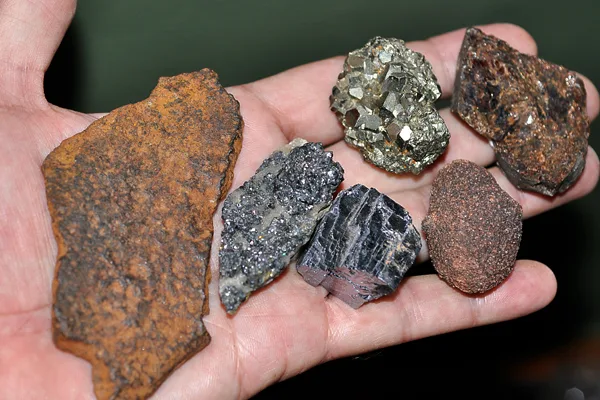
- Ferrous Minerals
- Non-Ferrous Minerals
1. Ferrous Minerals
Ferrous minerals contain iron. These minerals are extremely important for the growth of metallurgical and heavy industries. India has rich reserves and production of ferrous minerals.
Examples of ferrous minerals include:
- Iron ore
- Manganese
- Chromite
Iron Ore
Iron ore is the most important raw material for the iron and steel industry. India has abundant reserves of iron ore. The two major types of iron ore found in India are:
- Hematite
- Magnetite
Most iron ore mines are located close to coal fields in the northeastern plateau region. About 95 percent of India’s iron ore reserves are found in:
Iron Ore in Odisha
Odisha is one of the largest producers of iron ore in India. Iron ore deposits are mainly found in hill ranges of:
- Sundargarh
- Mayurbhanj
- Keonjhar
These regions form an important iron ore belt of the country.
Iron Ore in Jharkhand
Jharkhand contains some of the oldest iron ore mines in India. Many iron and steel plants are located near these mining areas.
Important mines include:
- Noamundi
- Gua
These mines are located in:
- East Singhbhum
- West Singhbhum
The iron ore belt further extends to:
- Durg
- Dantewada
- Bailadila
Iron Ore in Karnataka
Karnataka is another important iron ore producing state. Major iron ore deposits are found in:
- Sandur-Hospet area in Ballari district
- Baba Budan Hills
- Kudremukh in Chikkamagaluru district
- Shivamogga
- Chitradurga
- Tumakuru
Other Iron Ore Producing Areas
Other important iron ore producing regions include:
Maharashtra
- Chandrapur
- Bhandara
- Ratnagiri
Telangana
- Karimnagar
- Warangal
Andhra Pradesh
- Kurnool
- Cuddapah
- Anantapur
Tamil Nadu
- Salem
- Nilgiris
Goa has also become an important producer of iron ore.
Importance of Iron Ore
Iron ore is widely used for:
- Steel manufacturing
- Construction work
- Machinery production
- Railways
- Shipbuilding
It is one of the most important minerals for industrial development.
Manganese
Manganese is an important mineral used in smelting iron ore and manufacturing ferro alloys. It is also used in chemical industries.
Manganese deposits are found in almost all geological formations, but they are mainly associated with the Dharwar rock system.
Major Manganese Producing States
Odisha is the leading producer of manganese in India.
Major manganese mining areas in Odisha include:
- Bonai
- Kendujhar
- Sundargarh
- Gangpur
- Koraput
- Kalahandi
- Bolangir
Other producing states include:
- Karnataka
- Madhya Pradesh
- Maharashtra
2. Non-Ferrous Minerals
Non-ferrous minerals do not contain iron. India has fewer reserves of non-ferrous minerals except bauxite.
Examples include:
- Copper
- Lead
- Zinc
- Tin
- Aluminum
Bauxite
Bauxite is the main ore used for manufacturing aluminum. Aluminum is lightweight, durable, and resistant to rust.
Bauxite is mainly found in tertiary deposits and is associated with laterite rocks on plateaus and hill ranges of peninsular India.
Major Bauxite Producing States
Odisha is the largest producer of bauxite in India.
Important bauxite producing districts in Odisha include:
- Kalahandi
- Sambalpur
- Bolangir
- Koraput
Jharkhand also has rich bauxite deposits, especially in the Lohardaga plateau.
Other major producers include:
- Gujarat
- Chhattisgarh
- Madhya Pradesh
- Maharashtra
In Chhattisgarh, important deposits are found in the Amarkantak Plateau.
Uses of Aluminum
Aluminum produced from bauxite is used in:
- Aircraft manufacturing
- Electrical industries
- Kitchen utensils
- Transport vehicles
- Construction work
Copper
Copper is one of the most important metals used in electrical industries. It is necessary for making:
- Electric wires
- Electric motors
- Transformers
- Generators
Major Copper Producing Areas
Copper deposits are mainly found in:
Jharkhand
- Singhbhum district
Madhya Pradesh
- Balaghat district
Rajasthan
- Jhunjhunu district
- Alwar district
Minor copper producing regions include:
Andhra Pradesh
- Agnigundala in Guntur district
Karnataka
- Chitradurga
- Hassan district
Tamil Nadu
- South Arcot district
b) Non-Metallic Minerals
Non-metallic minerals do not contain metals. These minerals are important for industries, construction, fertilizers, coatings, and insulating materials.
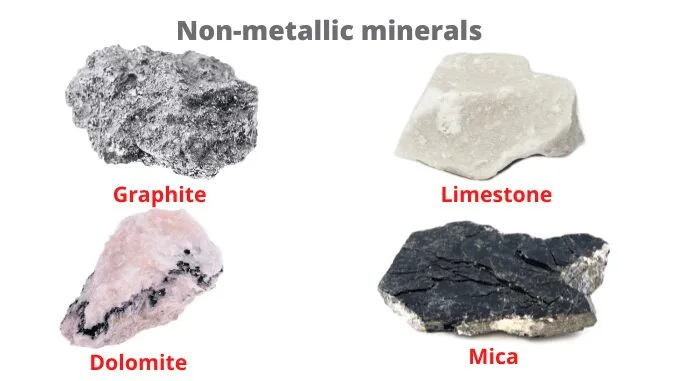
Important non-metallic minerals include:
- Mica
- Limestone
- Dolomite
- Phosphate
- Sulfur
- Nitrates
India has fewer non-ferrous metallic minerals except bauxite, but it has several important non-metallic minerals.
Mica
Mica is one of the most important non-metallic minerals in India. It is widely used in electrical and electronic industries because it can resist high temperatures.
Mica can be split into very thin, flexible sheets.
Major Mica Producing States
Mica is produced in:
- Jharkhand
- Andhra Pradesh
- Telangana
- Rajasthan
- Tamil Nadu
- West Bengal
- Madhya Pradesh
In Jharkhand, high-quality mica is found in a belt extending nearly 150 km in length and about 22 km in width in the lower Hazaribagh Plateau.
Limestone
Limestone is an important mineral used in:
- Cement industry
- Iron and steel industry
- Construction work
India has large reserves of limestone.
Dolomite
Dolomite is used in:
- Iron and steel industries
- Glass industries
- Fertilizer production
Phosphate, Sulfur and Nitrates
Phosphates, sulfur, and nitrates are important non-metallic minerals.
They are mainly used in:
- Fertilizer production
- Cement manufacturing
- Chemical industries
Cement itself is a mixture of non-metallic minerals.
Importance of Minerals
Minerals are extremely important for the economic development of a country.
Industrial Development
Industries depend heavily on minerals for raw materials.
Examples include:
- Iron ore for steel industry
- Copper for electrical industry
- Limestone for cement industry
Energy Production
Mineral fuels such as coal, petroleum, and natural gas are major sources of energy.
Employment Generation
Mining industries provide employment opportunities to millions of people.
Infrastructure Development
Minerals are necessary for building:
- Roads
- Buildings
- Bridges
- Railways
Export Earnings
India exports many minerals and earns valuable foreign exchange.
Energy Resources
Mineral fuels are essential for generating power needed in agriculture, industries, transport, and homes.
The major conventional energy resources are:
- Coal
- Petroleum
- Natural gas
- Nuclear minerals
These are exhaustible resources because they can be finished after continuous use.
Coal
Coal is one of the most important minerals used mainly for:
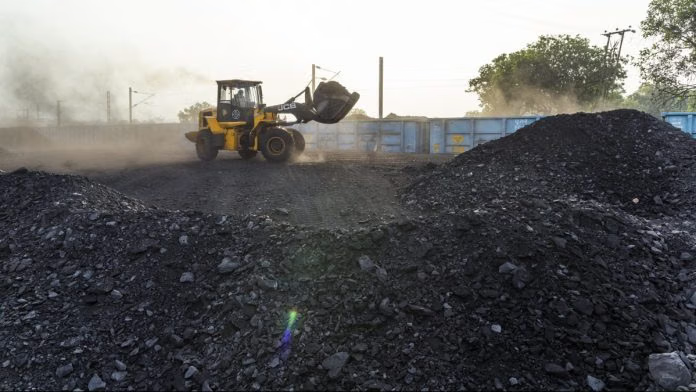
- Thermal power generation
- Smelting iron ore
Coal deposits in India belong mainly to two geological ages:
- Gondwana deposits
- Tertiary deposits
About 80 percent of India’s coal deposits are bituminous and mostly non-coking in nature.
Gondwana Coal Fields
The most important Gondwana coal fields are located in the Damodar Valley region.
These coal fields lie mainly in the Jharkhand-West Bengal coal belt.
Important coal fields include:
- Raniganj
- Jharia
- Bokaro
- Giridih
- Karanpura
Jharia is the largest coal field in India, followed by Raniganj.
Other important river valleys associated with coal include:
- Godavari
- Mahanadi
- Sone
Tertiary Coal Fields
Tertiary coal deposits are found mainly in:
Brown coal or lignite is found in coastal regions of:
- Tamil Nadu
- Puducherry
- Gujarat
- Jammu and Kashmir
Petroleum
Petroleum, also known as crude oil, is a major source of energy. It consists of hydrocarbons in liquid and gaseous forms.
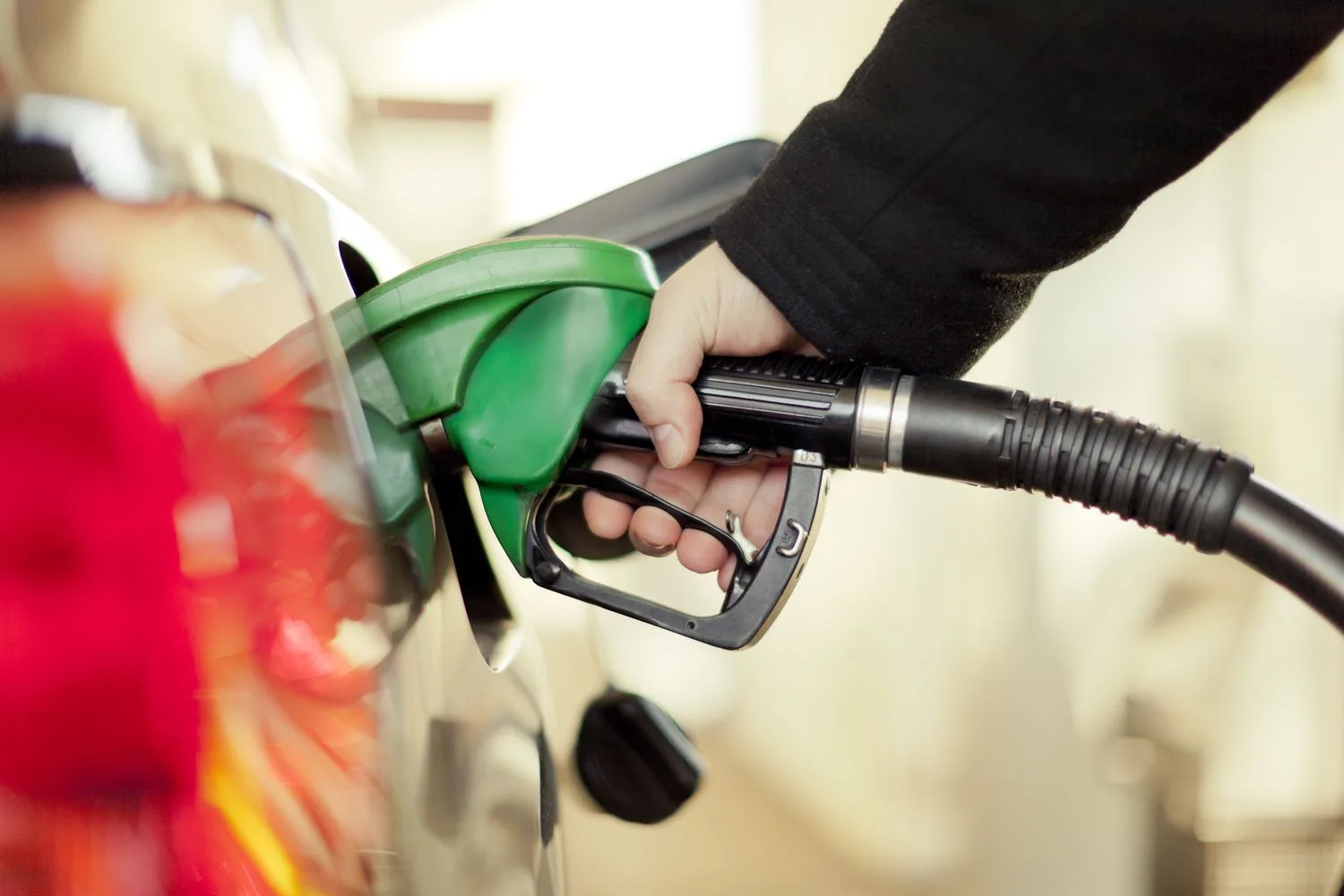
Petroleum is very important for:
- Automobiles
- Railways
- Aircraft
Its by-products are used in industries that manufacture:
- Fertilizers
- Synthetic rubber
- Synthetic fibers
- Medicines
- Vaseline
- Lubricants
- Wax
- Soap
- Cosmetics
Petroleum is mainly found in sedimentary rocks of the tertiary period.
Major Petroleum Producing Areas
Assam
Important oil fields include:
- Digboi
- Naharkatiya
- Moran
Gujarat
Major oil fields include:
- Ankaleshwar
- Kalol
- Mehsana
- Nawagam
- Kosamba
- Lunej
Maharashtra Offshore Region
Mumbai High is India’s most important offshore oil field. It is located around 160 km away from Mumbai.
It was discovered in 1973 and production started in 1976.
Eastern Coastal Region
Oil and natural gas reserves have also been found in:
- Krishna-Godavari Basin
- Kaveri Basin
Oil Refineries in India
India has two main types of oil refineries:
Field-Based Refineries
These refineries are located near oil fields.
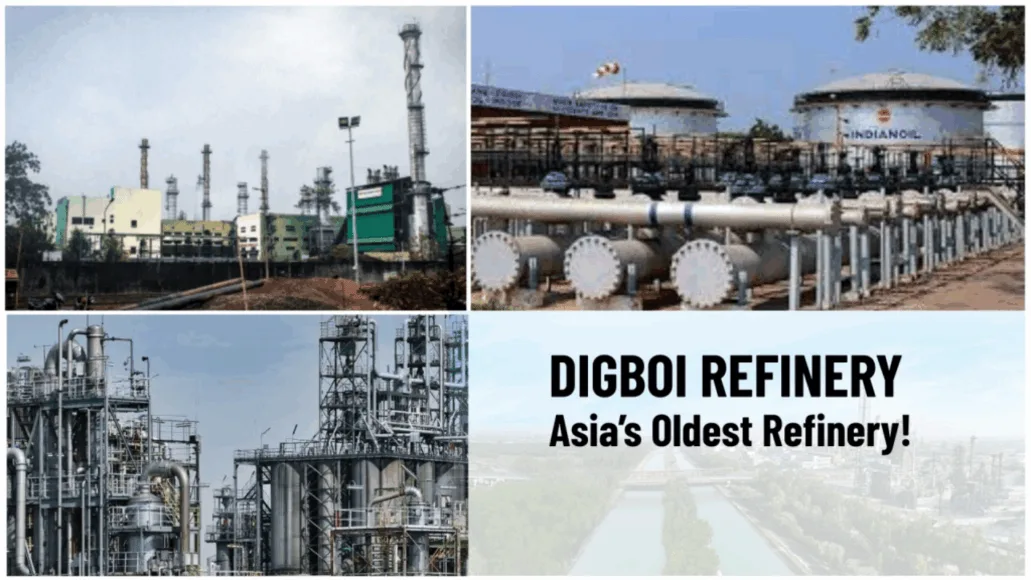
Example:
Market-Based Refineries
These refineries are located near major markets and consumers.
Example:
- Barauni Refinery
Natural Gas
Natural gas is usually found along with petroleum deposits. It is released when crude oil is brought to the surface.
Natural gas is a clean and efficient fuel.
Uses of Natural Gas
Natural gas is used for:
- Electricity generation
- Domestic cooking fuel
- Industrial fuel
- Fertilizer production
- Chemical industries
- Transport fuel such as CNG
- Household PNG connections
Major Natural Gas Reserves
Major reserves are found in:
- Mumbai High
- Cambay Basin
- Krishna-Godavari Basin
Natural gas is becoming increasingly popular because it causes less pollution.
Oceanic Minerals
The ocean floor also contains valuable mineral resources.
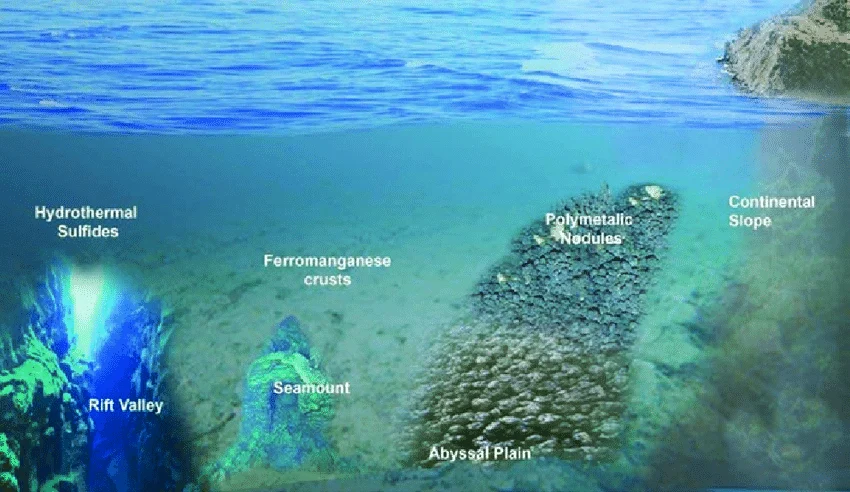
The two major oceanic mineral resources are:
- Polymetallic nodules
- Polymetallic massive sulphides
These deposits contain important minerals such as:
- Manganese
- Copper
- Iron
- Zinc
- Silver
- Gold
- Nickel
- Cobalt
The coastal sediments of the Indian Ocean are rich in:
- Titanium
- Zirconium
- Tin
- Zinc
- Copper
Rare earth elements are also found in oceanic regions, although commercial extraction is still difficult in many places.
Problems Related to Mineral Extraction
Mining creates several environmental and social problems.
Environmental Pollution
Mining causes:
- Air pollution
- Water pollution
- Soil degradation
Deforestation
Forests are cleared for mining activities.
Land Degradation
Mining leaves deep pits and damaged land.
Health Problems
Workers may suffer from respiratory diseases and accidents.
Conservation of Minerals
Minerals are exhaustible resources. Once used, they cannot be replaced quickly.
Therefore, conservation is necessary.
Methods of Conservation
- Recycling metals
- Using minerals carefully
- Reducing wastage
- Using alternative resources
- Promoting sustainable mining
Conclusion
Minerals in India are extremely important for the growth and development of the country. They support industries, transport, power generation, and infrastructure development. India is rich in many mineral resources such as iron ore, coal, bauxite, mica, and petroleum.
Different mineral belts across India provide valuable resources for economic progress. Metallic minerals are important for industries, while non-metallic minerals are useful for construction, fertilizers, and electronics.
Energy minerals like coal, petroleum, and natural gas play a major role in daily life and industrial development. However, excessive mining can damage the environment and exhaust resources. Therefore, minerals must be used carefully and conserved for future generations.
Understanding minerals helps us realize their importance in modern life and the need for responsible use of natural resources.
FAQs on Minerals in India
1. What are minerals?
Minerals are naturally occurring substances found inside the earth. They have a definite chemical composition and physical properties.
2. Why are minerals important?
Minerals are important because they are used in industries, electricity generation, construction, transport, and daily life products.
3. What are the two main types of minerals?
The two main types of minerals are:
- Metallic minerals
- Non-metallic minerals
4. What are metallic minerals?
Metallic minerals contain metal content and are used for extracting metals like iron, copper, and aluminum.
5. What are non-metallic minerals?
Non-metallic minerals do not contain metals. Examples include mica, limestone, and phosphate.
6. Which state is the largest producer of iron ore in India?
Odisha is one of the largest producers of iron ore in India.
7. What is bauxite used for?
Bauxite is used for manufacturing aluminum.
8. Why is coal important?
Coal is mainly used for generating thermal electricity and in the iron and steel industry.