


Department of Biotechnology DBT Year End Review

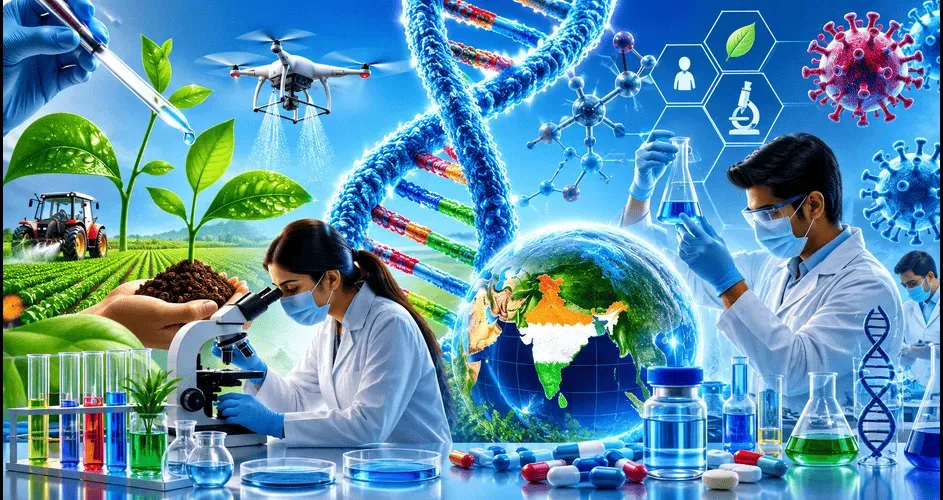
Department of Biotechnology DBT Year End Review highlights the major achievements, missions, and research work carried out by India’s Department of Biotechnology (DBT). The department plays an important role in improving agriculture, healthcare, clean energy, and scientific research in India. Through new technologies and innovative programmes, DBT is helping the country solve many important challenges.
Thank you for reading this post, don't forget to subscribe!The Department of Biotechnology (DBT) under the Government of India supports research and development in biotechnology. Its work helps improve human health, food production, environmental protection, and disease control. Over the years, DBT has launched many important missions and projects for national development.
UNATI Atal Jai Anusandhan Mission
The UNATI Atal Jai Anusandhan Mission focuses on four major areas:
- Better agriculture
- Affordable healthcare
- Clean energy
- Advanced scientific research
This mission encourages innovation and scientific solutions for real-life problems. Many important projects are running under this mission.
GARBH-ini Study
The GARBH-ini programme studies pregnancy and birth-related problems, especially preterm birth (birth before full pregnancy period).
The main goal is to identify biological risk markers and create a prediction system that can help doctors identify mothers at risk of early delivery. Early detection allows better treatment and care.
Important achievements of this project:
| Key Point | Details |
|---|---|
| Main Goal | Predict preterm birth |
| Women Included | More than 8,000 |
| Benefit | Better maternal and child care |
This project can help save many newborn babies and reduce health complications.
Antimicrobial Resistance Mission
Antimicrobial Resistance (AMR) happens when bacteria, viruses, or other microbes stop responding to medicines like antibiotics.
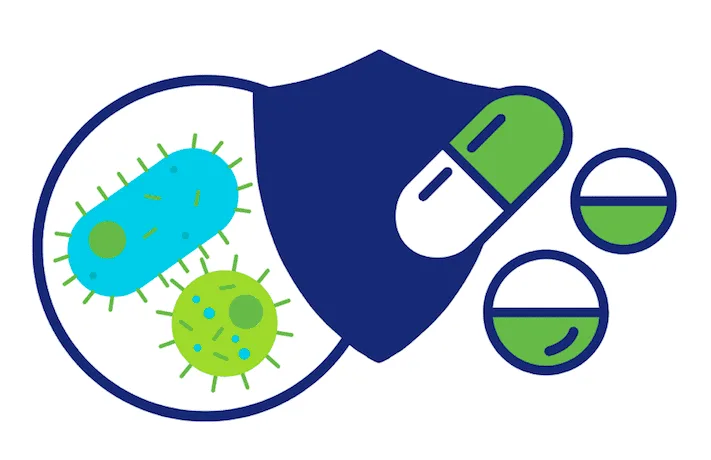
This is becoming a major global health problem. To fight this challenge, DBT launched the AMR Mission.
Its focus areas include:
- Developing new antibiotics
- Finding alternatives to antibiotics
- Better disease diagnosis
- Reducing misuse of medicines
India also launched One Health Initiative, which connects human health, animal health, and environmental health to fight AMR in a combined way.
Ind-CEPI Mission
The Ind-CEPI Mission is a partnership between India and the global organization Coalition for Epidemic Preparedness Innovations (CEPI).
Its main purpose is to improve epidemic preparedness through rapid vaccine development.
This mission helps India:
- Develop vaccines faster
- Improve disease response systems
- Strengthen healthcare readiness
This became especially important during pandemic situations.
UNATI Clean Technology Mission
Under this mission, DBT developed technologies to convert waste into useful products.
Waste materials such as:
- Solid waste
- Liquid waste
- Gas waste
can be converted into:
- Renewable fuel
- Energy
- Food products
- Chemicals
Ten promising clean technologies have been selected for demonstration across India.
Examples include:
| Technology | Purpose |
| Bio-methanation | Converts waste to fuel |
| Bio-toilets | Better sanitation |
| Constructed wetlands | Natural wastewater treatment |
| Water purification | Clean drinking water |
These technologies support Swachh Bharat and environmental sustainability.
Mission COVID Suraksha
Mission COVID Suraksha was launched to support the development of Indian-made vaccines.
The mission aims to make vaccines:
- Affordable
- Accessible
- Indigenous
This supports the goal of Atmanirbhar Bharat by reducing dependence on foreign vaccine production.
PACT Programme
PACT (Partnerships for Accelerating Clinical Trials) helps speed up vaccine testing and development.
This programme supports:
- Clinical trials
- Research partnerships
- Vaccine development in partner countries
It is implemented by Biotechnology Industry Research Assistance Council (BIRAC) and Clinical Development Services Agency.
National Biopharma Mission
The National Biopharma Mission promotes collaboration between industries and academic institutions.
Its goal is to speed up the development of:
- Biopharmaceutical products
- New medicines
- Healthcare solutions
The mission also supports biotech entrepreneurs through the Innovate in India (i3) programme.
This helps startups bring scientific ideas into real products.
UMMID Initiative
UMMID (Unique Methods of Management of Inherited Disorders) helps detect inherited genetic diseases in newborn babies.
This initiative supports:
- Early screening
- Diagnosis
- Genetic counseling
- Better treatment planning
Early detection can greatly improve a child’s health and future.
Genome India Project
The Genome India Project studies genetic variations in people across India.
The project plans to sequence genomes of 10,000 individuals from different communities.
Its goals are:
- Understand genetic diversity
- Improve disease research
- Support personalized medicine
This research will help doctors provide treatments based on a person’s genetic makeup.
LOTUS HR Project
The LOTUS HR Project works on wastewater treatment technologies.
This project was developed with collaboration from Netherlands.
A special wastewater treatment toolbox was established at Barapullah Drain.
Its purpose is to improve water treatment and reduce pollution.
Indian Bioresource Information Network (IBIN)
The IBIN project collects data related to India’s biodiversity and biological resources in one platform.
A special project under IBIN tracks the migration of the Jacobin Cuckoo using satellite telemetry.
This helps scientists:
- Study monsoon patterns
- Track climate change
- Improve conservation planning
Indian Biological Data Centre (IBDC)
The Indian Biological Data Centre (IBDC) stores biological research data in one central repository.
Its main functions include:
- Data storage
- Quality control
- Data annotation
- Secure sharing
This protects valuable scientific data from loss and improves research quality.
GenoVault
GenoVault is India’s first cloud-based genomics repository.
It offers:
- Fast storage
- Quick retrieval
- Advanced analysis tools
This platform is useful in:
- Healthcare research
- Genetic studies
- Personalized medicine
It allows researchers to handle large genomic datasets efficiently.
CRISPR-Cas9 Delivery System
Scientists developed a new lipid-based nanocarrier for delivering CRISPR-Cas9 tools into cells.
CRISPR-Cas9 is a powerful gene-editing technology.
This new delivery system may help in treating:
- Rare diseases
- Genetic disorders
- Inherited medical conditions
This opens new possibilities for gene therapy.
Biotech-KISAN
Biotech-KISAN connects farmers with scientists.

It works across 15 agro-climatic zones in India.
Main benefits include:
- Better farming methods
- Improved crop productivity
- Technology transfer to farmers
This helps modern science reach rural agriculture.
International Cooperation
DBT has expanded partnerships with global scientific organizations.
Important collaborations include:
- Academy of Medical Sciences (UK)
- European Union under Green Deal
These partnerships support:
- Climate research
- Medical science
- Low-carbon future development
International cooperation strengthens India’s biotechnology research.
BIRAC Innovation Support
BIRAC launched the i4 programme to support biotech startups and companies.
This programme helps in:
- Product development
- Scaling research
- Technology validation
- Commercialization
It helps transform research ideas into market-ready products.
Wheat Straw Polysaccharide Research
Scientists at National Agri-Food Biotechnology Institute developed an edible coating made from wheat straw polysaccharide.
This coating helps increase shelf life of fruits such as:
- Apple
- Peach
- Banana
This reduces post-harvest losses and food waste.
Researchers also developed advanced nanoparticles for fast detection of harmful bacteria in food.
Brain Research by NBRC
Scientists at National Brain Research Centre (NBRC) made important discoveries in brain research.
Japanese Encephalitis Research
Researchers found that Japanese Encephalitis activates harmful brain immune responses, leading to inflammation and nerve damage.
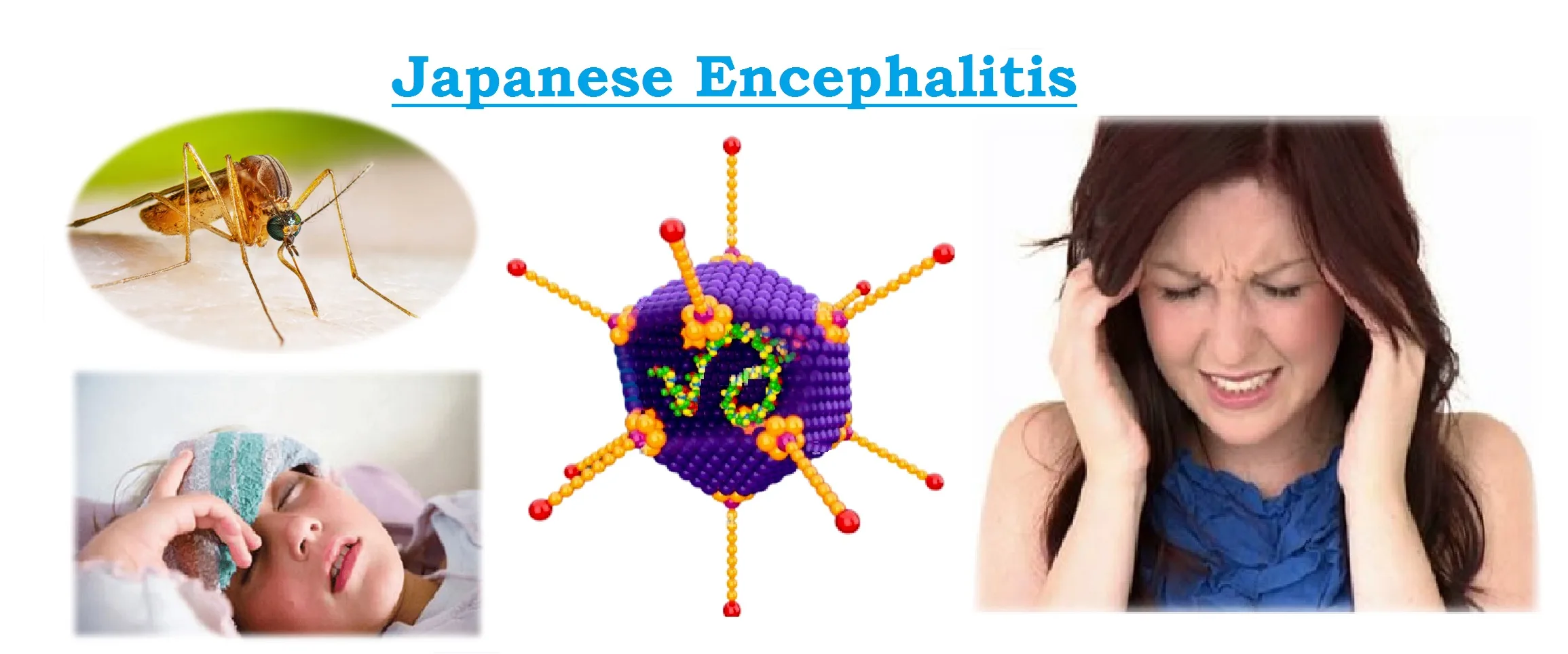
This research helps improve treatment strategies.
DALI Tool
DALI is a language-based tool developed for diagnosing dyslexia in Indian children.
It helps detect learning difficulties early.
BRAHMA and ANSH
These are advanced tools created by NBRC scientists.
They combine:
- Brain imaging data
- Clinical information
These tools help diagnose diseases such as:
- Alzheimer’s disease
- Parkinson’s disease
These tools are based on Indian brain models, making them more accurate for Indian patients.
The Department of Biotechnology DBT Year End Review shows how biotechnology is transforming India. From healthcare and farming to disease detection and clean technology, DBT continues to improve lives through scientific innovation and research.
FAQs
Q1. What is the Department of Biotechnology (DBT)?
The Department of Biotechnology (DBT) is a government department in India that supports research and development in biotechnology for healthcare, agriculture, and science.
Q2. What is the main goal of the DBT Year End Review?
The DBT Year End Review highlights the major achievements, missions, research projects, and innovations completed by the department during the year.
Q3. What is Mission COVID Suraksha?
Mission COVID Suraksha is an initiative to develop affordable and indigenous vaccines in India to improve healthcare security.
Q4. What is the Genome India Project?
The Genome India Project studies genetic variations in Indian populations by sequencing genomes to support medical research and personalized treatment.
Q5. What is Biotech-KISAN?
Biotech-KISAN is a programme that connects scientists with farmers to improve farming methods and increase agricultural productivity.
Q6. What is Antimicrobial Resistance (AMR)?
Antimicrobial Resistance happens when bacteria and other microbes stop responding to medicines like antibiotics, making infections harder to treat.
Q7. How does DBT help in healthcare?
DBT supports vaccine development, genetic disease research, disease diagnosis, and advanced medical technologies.