Insolvency and Bankruptcy Code in India

Insolvency and Bankruptcy Code is one of the most important economic reforms in India. It was introduced to help individuals and companies who are unable to repay their debts. The main aim of this law is to provide a clear and time-bound process to solve financial problems and protect the interests of lenders, investors, and businesses.
The Union Cabinet approved several amendments to the Insolvency and Bankruptcy Code (IBC), 2016 through the Insolvency and Bankruptcy Code (Second Amendment) Bill, 2019. These changes were introduced to remove difficulties in the insolvency resolution process and improve the ease of doing business in India.

What is Insolvency?
Insolvency is a financial condition in which a person or a company cannot repay the money they owe to lenders or creditors. This happens when liabilities become greater than assets or when there is no enough cash to pay debts.
For example, if a company has taken loans from banks but cannot repay them due to losses, it may become insolvent.
What is Bankruptcy?
Bankruptcy is the legal process that begins after insolvency. When a court officially declares that a person or company cannot pay debts, that condition is called bankruptcy.
In simple words:
- Insolvency = Financial problem
- Bankruptcy = Legal declaration of that problem
Bankruptcy helps decide how the assets of the debtor will be used to repay creditors.
Why Was the Insolvency and Bankruptcy Code Needed?
Before IBC, India had many separate laws for debt recovery and insolvency cases. These laws were slow and complicated. As a result, banks had to wait many years to recover loans.
One major issue was the rise of Non-Performing Assets (NPAs). NPA means loans that borrowers fail to repay for a long time. High NPAs weaken banks and slow economic growth.
The government introduced the Insolvency and Bankruptcy Code, 2016 to solve these problems. It combined multiple insolvency laws into one framework and made the recovery process faster and more effective.
A major change under IBC was that creditors were given the power to start insolvency proceedings against a company that fails to repay debts.
Main Objectives of Insolvency and Bankruptcy Code
The IBC was created with several important goals:
1. Simplify Insolvency Laws
It combines old and scattered insolvency laws into one unified system.
2. Speed Up Resolution
The Code ensures that insolvency cases are resolved within a fixed time period.
3. Protect Creditors
Banks, lenders, and investors get legal protection for recovering their money.
4. Revive Sick Companies
Instead of immediately shutting down companies, the law tries to revive businesses.
5. Promote Entrepreneurship
A better business environment encourages more people to start businesses.
6. Increase Credit Supply
When banks recover money faster, they can provide more loans to businesses and individuals.
7. Maximize Asset Value
The Code ensures that the value of assets is preserved and used wisely.
8. Create Strong Regulation
The law created a central regulatory body to monitor insolvency cases.
Salient Features of IBC, 2016
The Insolvency and Bankruptcy Code applies to:
- Individuals
- Companies
- Partnership firms
- Limited Liability Partnerships (LLPs)
Adjudicating Authorities
Different authorities handle insolvency cases depending on the type of entity.
| Entity Type | Authority |
|---|---|
| Companies and LLPs | National Company Law Tribunal (NCLT) |
| Individuals and Partnership Firms | Debt Recovery Tribunal (DRT) |
Insolvency Resolution Process
The insolvency resolution process follows several steps.
Step 1: Filing the Application
The process can be started by:
- Creditors
- Debtors
- Employees
If payment defaults happen, they can approach the authority.
Step 2: Approval by Authority
The NCLT or DRT checks the case and decides whether to accept it.
Step 3: Appointment of Insolvency Professional
After approval, an Insolvency Professional (IP) is appointed.
The IP manages the company during the process.
Step 4: Transfer of Management
The company’s board and management lose control.
Control shifts to the Committee of Creditors (CoC).
Step 5: Decision on Future
The Committee of Creditors decides whether:
- The company should be revived, or
- The company should be liquidated
Step 6: Finding Buyers
If revival is possible, open bids are invited from interested buyers.
The best resolution plan is selected.
Step 7: Debt Reduction
Creditors may need to accept reduced repayment.
This reduction is called a haircut.
Important Institutions Under IBC
Insolvency and Bankruptcy Board of India (IBBI)
The Insolvency and Bankruptcy Board of India regulates insolvency professionals and agencies.
Its responsibilities include:
- Monitoring insolvency cases
- Setting professional standards
- Maintaining transparency
Insolvency Professionals
They handle the practical side of insolvency cases such as:
- Managing assets
- Handling meetings
- Preparing resolution plans
Insolvency Professional Agencies
These agencies regulate insolvency professionals and maintain ethical standards.
Information Utilities
These organizations collect and verify financial information like:
- Loan records
- Debt data
- Payment history
This improves transparency during insolvency proceedings.
Cross-Border Insolvency
Modern businesses often operate in multiple countries. Because of this, insolvency cases can involve assets outside India.
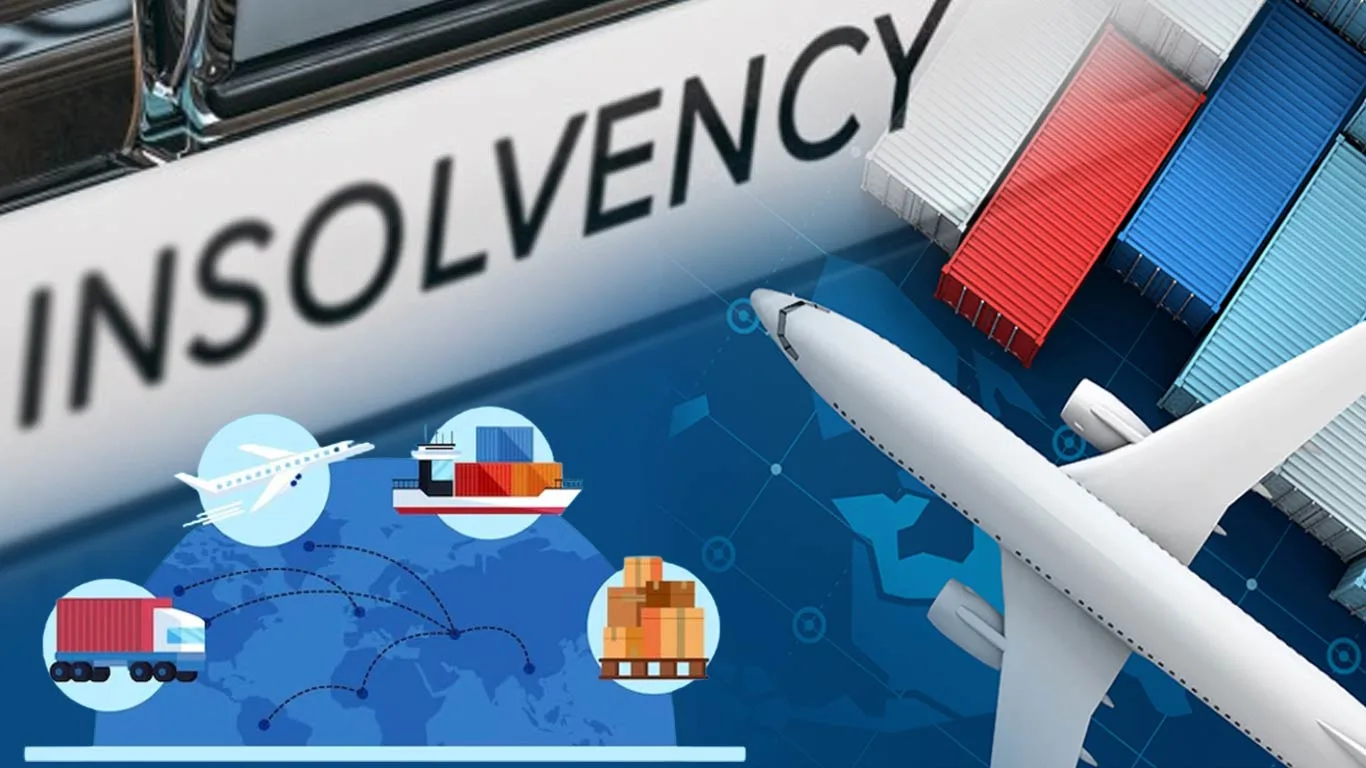
The IBC includes provisions for cross-border insolvency, allowing better coordination with foreign courts and institutions.
Achievements of Insolvency and Bankruptcy Code
Since its implementation, IBC has improved India’s debt recovery system.
Better Than Older Laws
Before IBC, India mainly depended on:
- Sick Industrial Companies Act (SICA), 1985
- Recovery of Debts Due to Banks and Financial Institutions Act, 1993
These laws were slow and inefficient.
IBC improved the system significantly.
Faster Resolution
Before IBC, debt resolution often took 4–6 years.
After IBC, the average resolution time dropped to around 317 days.
This reduced delays and improved confidence in the financial system.
Higher Recovery Rates
Recovery rates also improved.
| Period | Recovery Rate |
| Before IBC | 22% |
| After IBC | 43% |
This means banks recovered almost double compared to earlier systems.
Early Settlements
Many companies started repaying debts even before cases reached the tribunal.
This itself became one of the biggest successes of the law.
Increase in Cases
By March 2019:
- 1,858 insolvency cases were admitted
- 152 were appealed, reviewed, or settled
- 91 were withdrawn
- 378 ended in liquidation
- 94 got approved resolution plans
These numbers show active use of the law.
Challenges Facing IBC
Although IBC has improved the insolvency system, several challenges remain.
Lack of Operational NCLT Benches
The government announced additional NCLT benches in cities like:
- Delhi
- Jaipur
- Kochi
- Chandigarh
- Amravati
However, many benches remain partially operational due to:
- Poor infrastructure
- Staff shortages
- Lack of resources
This causes delays.
Low Approval Rate
One major concern is the low number of successful resolution plans.
Out of thousands of cases, only a small percentage reached successful resolution.
This shows that many insolvency cases still struggle to find buyers or solutions.
High Number of Liquidations
A large number of cases end in liquidation instead of revival.
This is worrying because the main goal of IBC is to save companies, not shut them down.
When companies close, employees lose jobs and business value gets destroyed.
Slow Judicial Process
India’s legal system is often slow.
Frequent appeals and court challenges delay insolvency proceedings.
This reduces the effectiveness of time-bound resolution.
2019 Amendments and Their Importance
The 2019 amendments were introduced to remove bottlenecks in the insolvency process.

These amendments focused on:
- Faster resolution
- Better investor confidence
- Protection of last-mile funding
- Easier business restructuring
The amendments also helped protect companies acquired under IBC from legal problems caused by previous management.
This makes distressed companies more attractive to new investors.
Why IBC Matters for India’s Economy
The Insolvency and Bankruptcy Code is important because a strong banking system is necessary for economic growth.
When banks recover money faster:
- Loan defaults reduce
- New investments increase
- Businesses grow
- Employment improves
A strong insolvency system also improves investor confidence in India.
The Insolvency and Bankruptcy Code has transformed India’s debt recovery system by making insolvency resolution faster and more transparent. While challenges such as judicial delays, infrastructure shortages, and high liquidation rates still exist, the Code remains one of India’s most important financial reforms. Continuous improvements and timely amendments can make IBC even more effective in strengthening the Indian economy.
FAQs
Q1. What is the Insolvency and Bankruptcy Code (IBC)?
The Insolvency and Bankruptcy Code (IBC) is a law in India that provides a time-bound process to resolve insolvency and bankruptcy cases for individuals, companies, and firms.
Q2. What is insolvency?
Insolvency is a situation where a person or company cannot repay outstanding debts to lenders or creditors.
Q3. What is the difference between insolvency and bankruptcy?
Insolvency is the financial condition of being unable to pay debts, while bankruptcy is the legal declaration made by a court after insolvency.
Q4. When was the Insolvency and Bankruptcy Code introduced?
The Insolvency and Bankruptcy Code was introduced in India in 2016.
Q5. Why was IBC introduced in India?
IBC was introduced to simplify debt recovery, reduce bad loans (NPAs), speed up insolvency resolution, and improve the business environment.
Q6. Who can initiate the insolvency resolution process?
The insolvency resolution process can be initiated by creditors, debtors, or employees of a company.
Q7. Which authority handles insolvency cases in India?
The National Company Law Tribunal (NCLT) handles cases related to companies and LLPs, while the Debt Recovery Tribunal (DRT) handles cases for individuals and partnership firms.
Q8. What is the role of the Insolvency Professional?
An Insolvency Professional manages the company’s assets and operations during the insolvency resolution process.
Q9. What is a haircut in IBC?
A haircut means creditors agree to accept less money than the total amount owed in order to settle the debt.
Q10. Why is IBC important for India’s economy?
IBC helps banks recover loans faster, reduces financial stress, improves investor confidence, and supports economic growth.