


Food Security: Meaning, Importance, Challenges and Government Initiatives in India

Food Security is one of the most important issues for any country. A nation can develop only when its people have access to enough nutritious food for a healthy life. India has made significant progress in food production since independence, yet food security remains a major concern due to population growth, climate change, poverty, limited water resources, and unequal distribution of food.
According to various government reports and studies, India needs continuous efforts to strengthen agriculture, improve nutrition, and ensure that every citizen has access to affordable and healthy food. Food security is not only about producing enough food but also about ensuring that people can obtain and properly utilize that food.

What is Food Security?
Food security means that all people, at all times, have physical, social, and economic access to sufficient, safe, and nutritious food that meets their dietary needs and food preferences for an active and healthy life.
Food security is based on three important pillars:
1. Food Availability
Food must be available in sufficient quantities. This depends on agricultural production, food stocks, imports, and distribution systems.
2. Food Access
People should have enough income and resources to buy or obtain food regularly. Even if food is available in markets, poor families may not be able to afford it.
3. Food Utilization
Food should provide proper nutrition. Safe drinking water, sanitation, healthcare, food storage, and cooking practices are essential for proper utilization of food.
When these three conditions are fulfilled, a country can achieve food security.
Importance of Food Security
Food security plays a crucial role in the development of a nation.
Supports Agricultural Growth
A strong food security system encourages farmers to increase production and adopt modern farming methods.
Controls Food Prices
Stable food production helps control inflation and prevents sudden increases in food prices.
Reduces Poverty
Food security improves livelihoods and reduces poverty by creating employment opportunities in agriculture and related sectors.
Improves Public Health
Nutritious food helps prevent diseases, malnutrition, and health complications.
Promotes Economic Development
Healthy and productive citizens contribute more effectively to economic growth.
Strengthens National Stability
Food shortages can create social unrest and economic instability. Food security helps maintain peace and stability.
Food Security in India
India’s food security journey has seen many ups and downs.
Bengal Famine of 1943
One of the darkest periods in Indian history was the Bengal Famine of 1943. Millions of people suffered from starvation during British rule. This event highlighted the importance of ensuring food security.
Early Challenges After Independence
After independence, India faced low agricultural productivity, frequent droughts, and dependence on food imports. Food shortages were common during the 1950s and 1960s.
Green Revolution
The Green Revolution during the late 1960s and early 1970s transformed Indian agriculture.
Key achievements included:
- Increased wheat and rice production.
- Use of high-yielding variety seeds.
- Expansion of irrigation facilities.
- Increased use of fertilizers and pesticides.
As a result, India became self-sufficient in food grain production.
Limitations of the Green Revolution
Despite its success, the Green Revolution had some drawbacks:
- Benefits were concentrated in a few states.
- Small farmers gained less advantage.
- Excessive use of chemical fertilizers affected soil quality.
- Groundwater depletion became a serious concern.
White Revolution
The White Revolution, led through Operation Flood, increased milk production across the country.
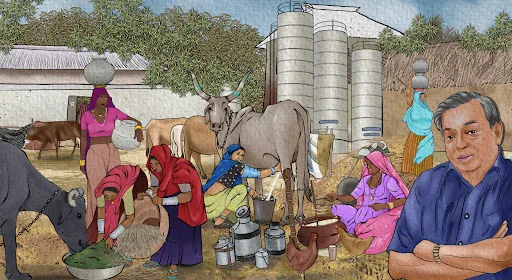
Major outcomes included:
- India became the world’s largest milk producer.
- Dairy farming created rural employment.
- Nutritional availability improved.
Growth in Other Agricultural Sectors
India has also witnessed growth in:
- Cotton production through Bt cotton.
- Poultry farming.
- Fisheries and aquaculture.
- Horticulture and vegetable production.
These sectors have contributed significantly to food security and rural incomes.
Current Food Security Situation in India
Although India produces large quantities of food grains, several challenges remain.
Malnutrition
Millions of Indians still suffer from undernutrition. Many children experience stunting and wasting due to inadequate nutrition.
Anaemia
A large number of women in the reproductive age group suffer from anaemia, affecting maternal and child health.
Low Agricultural Productivity
Agricultural productivity in India remains lower than many developed countries due to fragmented landholdings and limited use of modern technology.
Changing Food Consumption Patterns
People are increasingly consuming:
- Milk
- Eggs
- Fish
- Meat
- Fruits
- Vegetables
This change increases demand for diversified agricultural products beyond cereals.
Food Quality Concerns
Food security today is not only about quantity but also about quality and nutritional value.
Major Challenges to Food Security
Climate Change
Climate change is one of the biggest threats to food security.
Its effects include:
- Unpredictable rainfall
- Frequent droughts
- Floods
- Rising temperatures
- Pest attacks
These factors reduce agricultural productivity.
Water Scarcity
Agriculture consumes a large share of India’s freshwater resources. Groundwater depletion is becoming a serious issue in many regions.
Small Landholdings
Most Indian farmers own small and fragmented plots, making mechanization and efficient farming difficult.
Poverty
Poor households often struggle to purchase nutritious food, even when food is available in markets.
Rapid Population Growth
The growing population increases demand for food and puts pressure on agricultural resources.
Rural-to-Urban Migration
Migration to cities leads to the growth of urban slums where food insecurity and malnutrition are common.
Weak Distribution System
Leakages and inefficiencies in the Public Distribution System (PDS) affect the delivery of subsidized food grains.
Corruption
Diversion of food grains and irregular functioning of ration shops reduce the effectiveness of welfare schemes.
Biofuel Production
The use of agricultural land for biofuel crops can reduce land available for food production.
Conflict and Disasters
Natural disasters and conflicts can disrupt food supply chains and agricultural production.
Poor Implementation of Nutrition Programmes
Many nutrition-related schemes face challenges in monitoring, coordination, and implementation.
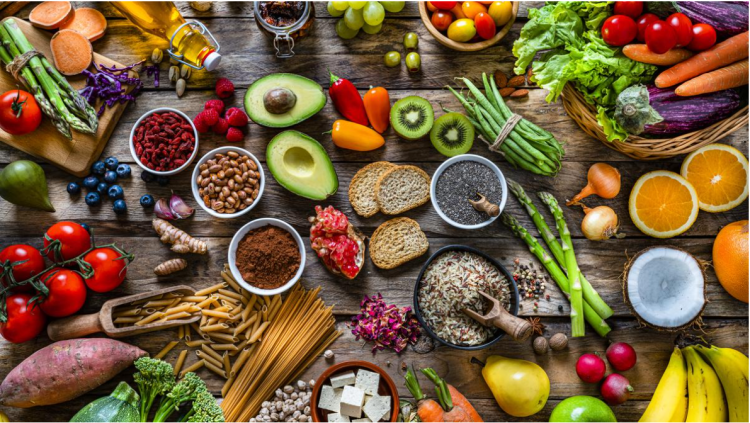
Government Initiatives for Food Security
The Government of India has launched several programmes to improve food security.
National Food Security Mission (NFSM)
Launched in 2007, the mission aims to:
- Increase production of rice, wheat, pulses, and coarse cereals.
- Improve productivity.
- Enhance soil fertility.
- Strengthen farmers’ income.
Rashtriya Krishi Vikas Yojana (RKVY)
The scheme encourages states to develop agriculture according to local needs.
Its objectives include:
- Increasing farm income.
- Promoting agri-business.
- Improving agricultural infrastructure.
- Encouraging innovation.
Pradhan Mantri Fasal Bima Yojana (PMFBY)
This crop insurance scheme protects farmers against crop losses caused by:
- Droughts
- Floods
- Cyclones
- Pest attacks
Integrated Schemes on Oilseeds, Pulses, Palm Oil and Maize (ISOPOM)
The scheme promotes production of oilseeds and pulses to reduce dependence on imports.
e-NAM (National Agriculture Market)
e-NAM is an online trading platform that connects agricultural markets across India.
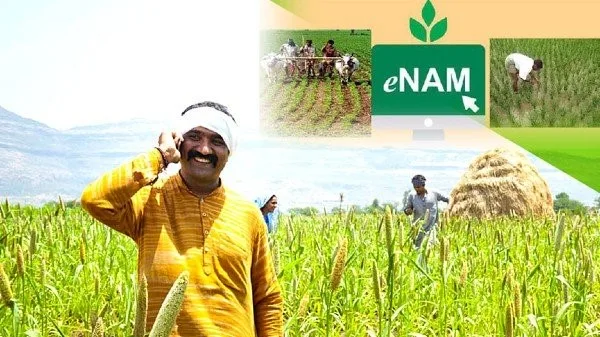
Benefits include:
- Better price discovery.
- Transparent transactions.
- Wider market access for farmers.
Irrigation Development Programmes
The government has invested in:
- Canal systems
- Micro-irrigation
- Rainwater harvesting
- Watershed management
These measures help improve water availability for agriculture.
Nutrition-Related Programmes
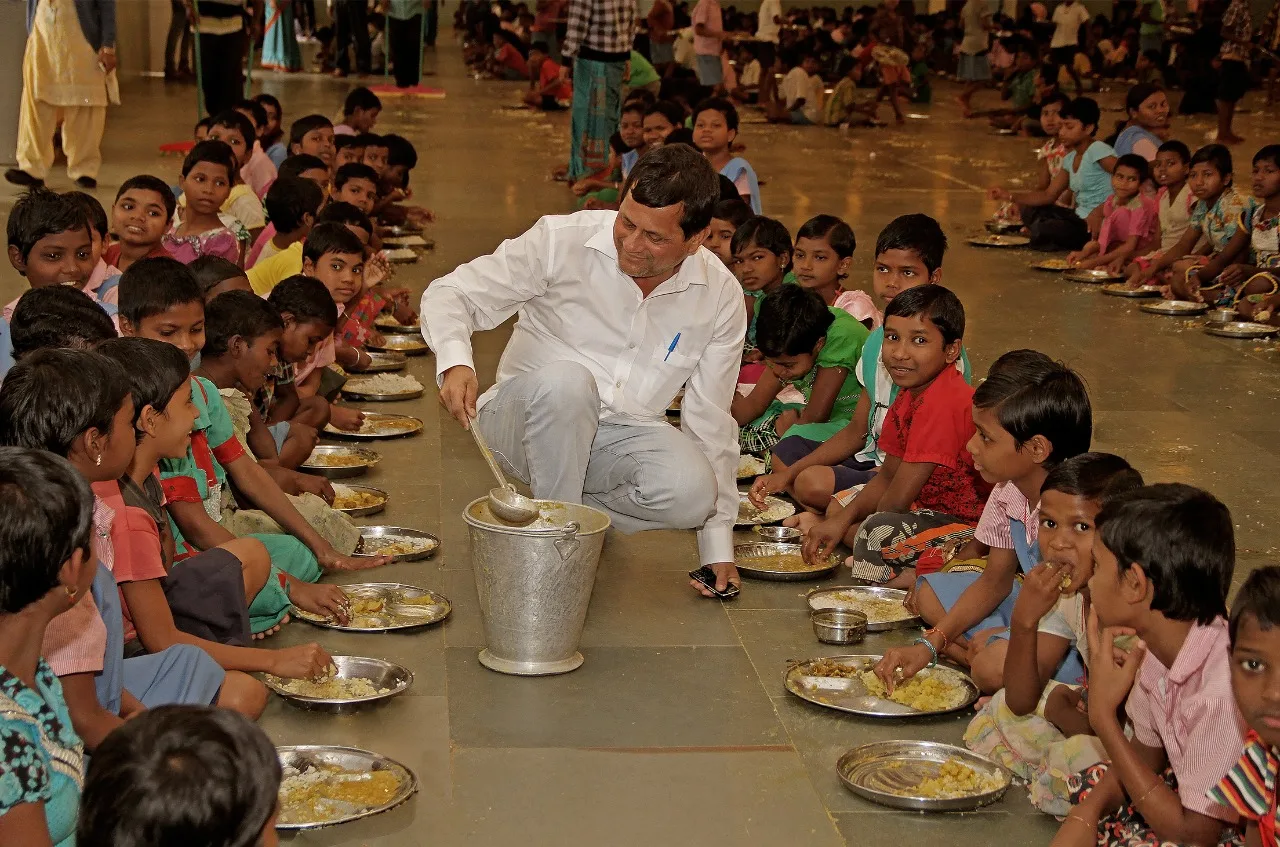
Mid-Day Meal Scheme
The scheme provides nutritious meals to school children.
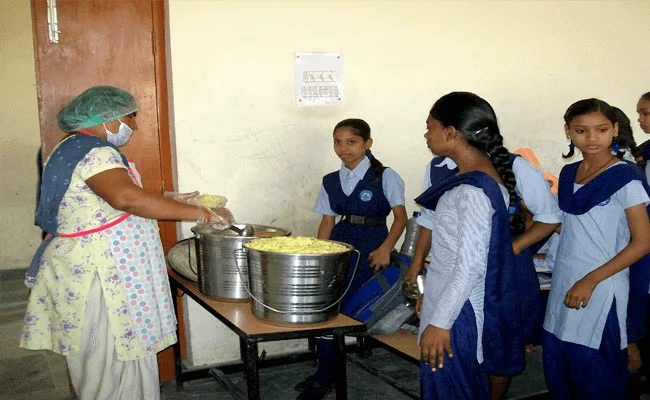
Benefits include:
- Improved nutrition.
- Increased school attendance.
- Better learning outcomes.
Anganwadi Services
Anganwadi centres provide:
- Supplementary nutrition.
- Health services.
- Support for pregnant women and children.
Public Distribution System (PDS)
The PDS supplies subsidized food grains to eligible households.
Food Fortification
The government promotes fortification of food items such as:
- Rice
- Wheat flour
- Salt
- Edible oil
Fortification helps reduce micronutrient deficiencies.
National Food Security Act (NFSA), 2013
The Act provides legal entitlement to subsidized food grains for a large section of the population.
Important features:
- Coverage of rural and urban beneficiaries.
- Affordable food grains through ration shops.
- Priority to women in ration card ownership.
International Organizations Supporting Food Security
Food and Agriculture Organization (FAO)
FAO works to eliminate hunger, improve nutrition, and support sustainable agriculture worldwide.
World Food Programme (WFP)
WFP provides emergency food assistance and supports nutrition programmes across the world.
International Fund for Agricultural Development (IFAD)
IFAD focuses on reducing rural poverty and improving agricultural development.
World Bank
The World Bank finances agriculture and food security projects in developing countries.
United Nations Environment Programme (UNEP)
UNEP addresses environmental issues that affect food production and sustainability.
Global Initiatives for Food Security
Zero Hunger Challenge
Launched by the United Nations, this initiative aims to eliminate hunger and malnutrition worldwide.
Key goals include:
- Zero hunger.
- Zero stunting among children.
- Sustainable food systems.
- Higher productivity for small farmers.
- Reduced food waste.
Sustainable Development Goal 2
SDG 2 aims to:
- End hunger.
- Achieve food security.
- Improve nutrition.
- Promote sustainable agriculture.
Steps Needed to Strengthen Food Security
Improve Agricultural Productivity
Farmers should have access to:
- Better seeds
- Modern machinery
- Fertilizers
- Affordable credit
Promote Crop Diversification
Growing fruits, vegetables, pulses, and oilseeds can increase farm income and improve nutrition.
Expand Irrigation
Efficient irrigation systems can help farmers manage water resources better.
Encourage Modern Farming
Techniques such as:
- Hydroponics
- Aeroponics
- Precision farming
can improve productivity and reduce resource use.
Improve Food Storage
Modern warehouses and cold storage facilities can reduce post-harvest losses.
Strengthen Fisheries and Blue Revolution
Fish production can improve nutrition and provide livelihood opportunities.
Use Biotechnology Responsibly
Improved crop varieties can increase resistance to diseases and environmental stress.
Empower Women
Women’s participation in nutrition programmes, self-help groups, and agriculture can improve household food security.
Improve Nutrition Awareness
Community education programmes can encourage healthy eating habits and proper childcare practices.
Strengthen Cooperatives
Cooperative societies can help farmers obtain inputs, credit, and better market access.
Improve Rural Employment
Creating non-farm employment opportunities can increase incomes and reduce food insecurity.
Food Security and Sustainable Development
Food security is closely linked to sustainable development. Agricultural growth should not damage natural resources. Sustainable farming practices can protect soil, water, and biodiversity while ensuring long-term food production.
The future of food security depends on balancing economic growth, environmental protection, and social welfare. Modern technology, efficient resource management, and inclusive policies can help achieve this balance.
Conclusion
Food Security remains a fundamental requirement for India’s social and economic development. The country has made remarkable progress through the Green Revolution, White Revolution, improved agricultural policies, and welfare programmes. However, challenges such as climate change, malnutrition, water scarcity, and poverty continue to affect millions of people.
A comprehensive approach that combines agricultural growth, nutrition improvement, efficient food distribution, sustainable farming, and social welfare programmes is essential. By strengthening these areas, India can move closer to achieving the goal of ensuring safe, nutritious, and affordable food for every citizen.
FAQs
Q1. What is Food Security?
Food Security means ensuring that all people have access to sufficient, safe, and nutritious food at all times.
Q2. What are the three pillars of Food Security?
Food Availability, Food Access, and Food Utilization.
Q3. What is the National Food Security Act, 2013?
It is a law that provides subsidized food grains to eligible rural and urban households.
Q4. Why is Food Security important for India?
It helps reduce hunger, improve health, support agriculture, and promote economic development.
Q5. What is the biggest challenge to Food Security today?
Climate change is one of the biggest challenges because it affects crop production and water availability.
Q6. What is the role of the Public Distribution System (PDS)?
PDS provides subsidized food grains to eligible families through ration shops.
Q7. What is the Green Revolution?
It was an agricultural movement that greatly increased food grain production in India during the 1960s and 1970s.
Q8. How does crop diversification help Food Security?
It increases farmers’ income, improves nutrition, and reduces dependence on a single crop.