


SWIFT Messaging System: Meaning, Working, Features and Impact on India

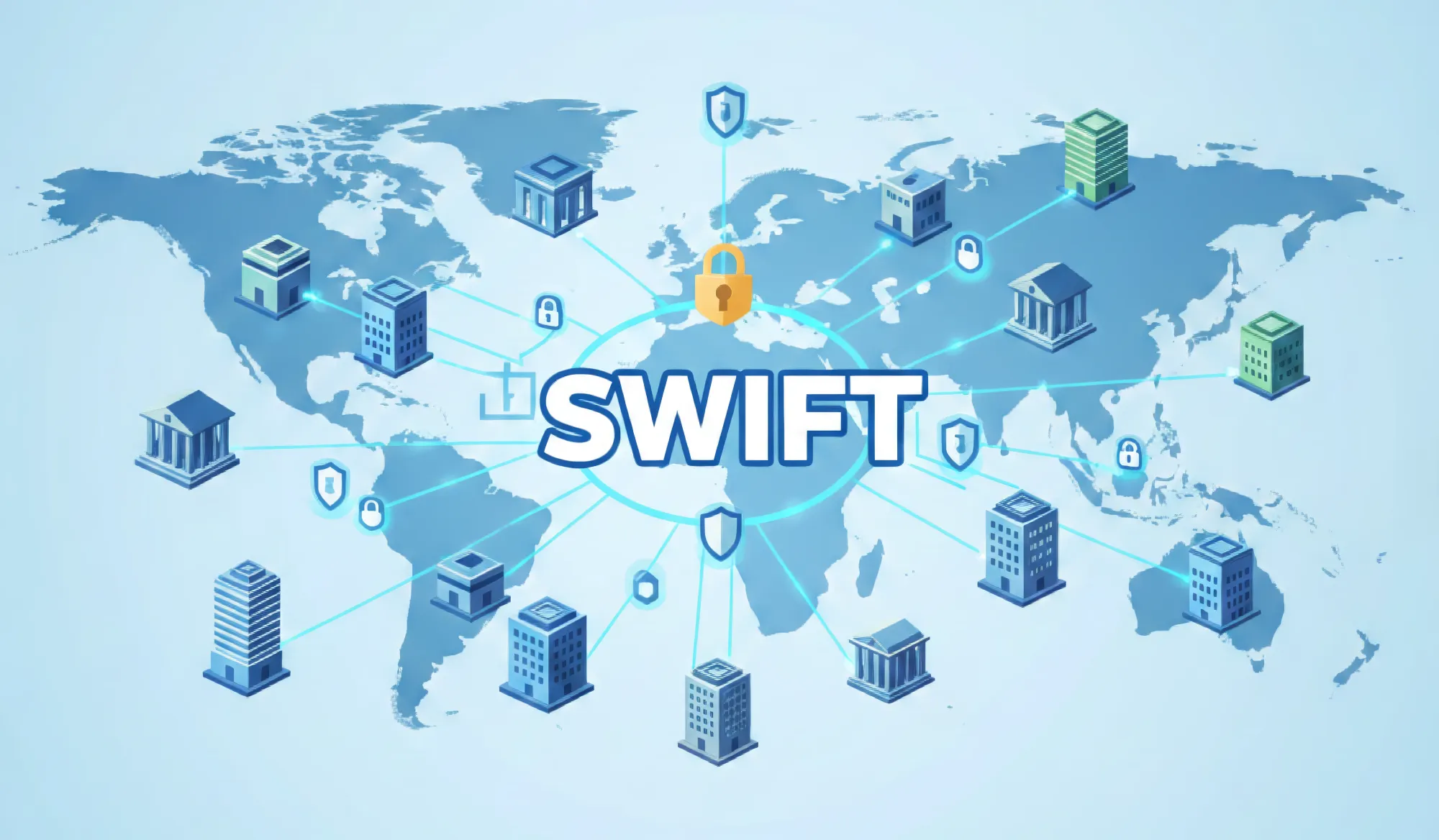
The SWIFT Messaging System is one of the most important financial communication networks in the world. It helps banks and financial institutions send secure payment instructions across countries. The system became a major topic of discussion when several Russian banks were removed from SWIFT after the Russia-Ukraine conflict. This action affected international trade, banking, and financial transactions.
Thank you for reading this post, don't forget to subscribe!What is the SWIFT Messaging System?
The SWIFT Messaging System stands for Society for Worldwide Interbank Financial Telecommunication. It is a secure messaging network that allows banks and financial institutions to exchange financial information quickly and safely.
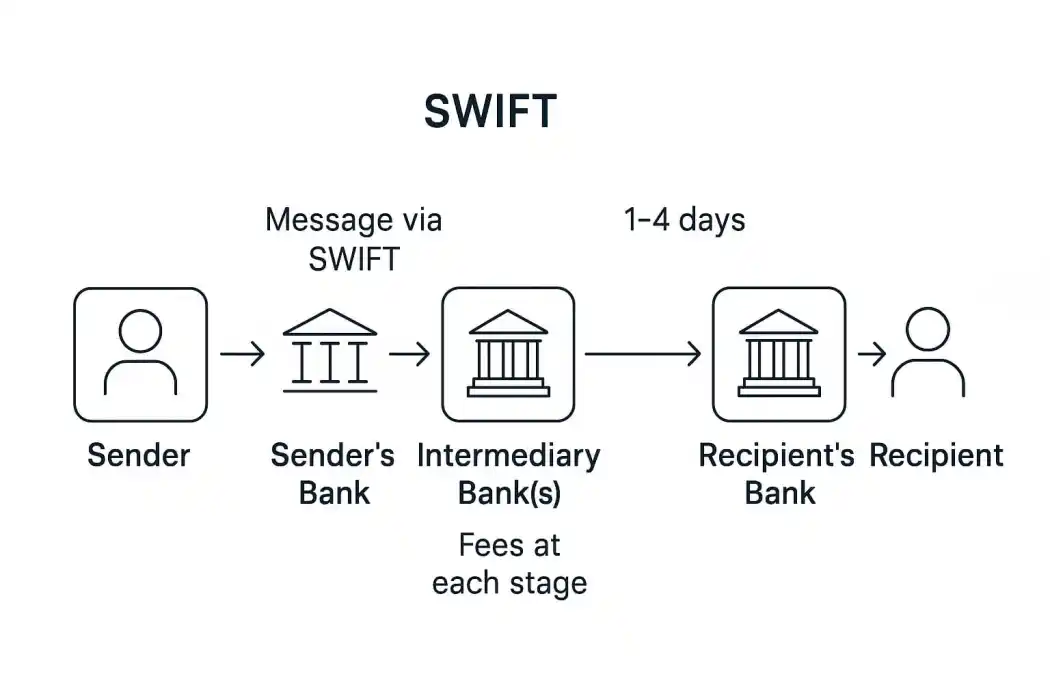
SWIFT does not transfer money directly. Instead, it sends secure payment instructions between banks. These instructions help banks complete international money transfers without confusion.
The organization was established in 1973 and is headquartered in Belgium. Today, more than 11,000 banks and financial institutions in over 200 countries and territories use the SWIFT network.
India is also connected to the SWIFT Messaging System, making international banking transactions easier for Indian banks and businesses.
How Does the SWIFT Messaging System Work?
Every bank connected to the SWIFT network receives a unique SWIFT Code, also known as a Business Identifier Code (BIC).
A typical SWIFT code contains either 8 or 11 characters.
The code includes:
| Part of Code | Meaning |
|---|---|
| First 4 letters | Bank or Institution Code |
| Next 2 letters | Country Code |
| Next 2 letters | City or Location Code |
| Last 3 characters | Branch Code (Optional) |
For example, a SWIFT code identifies the bank, its country, city, and branch. When one bank wants to send money to another bank in a different country, it sends a secure message through SWIFT. The receiving bank then processes the payment.
Because of this secure system, international transactions become faster and more reliable.
Why is the SWIFT Messaging System Important?
The SWIFT Messaging System plays a major role in global banking and trade.
Some important benefits include:
- Secure communication between banks.
- Fast international payment instructions.
- Reduced chances of fraud.
- Trusted by banks worldwide.
- Supports global trade and business.
Before SWIFT, banks mainly used Telex for international communication. However, Telex was slow, less secure, and often caused errors. SWIFT replaced it with a much safer and faster system.
How Did SWIFT Sanctions Affect Russia?
Removing Russian banks from the SWIFT Messaging System created several problems.
The major impacts included:
- Difficulty in sending and receiving international payments.
- Delays in export and import transactions.
- Reduced access to foreign markets.
- Problems in international business operations.
- Challenges for Russian citizens using international credit cards.
The sanctions also affected other countries because Russia is a major exporter of oil, gas, fertilizers, and other commodities. Any disruption in Russian trade increased global energy and food prices.
Alternatives to the SWIFT Messaging System
Several countries have developed alternatives to reduce dependence on SWIFT.
SPFS
Russia developed the System for Transfer of Financial Messages (SPFS) after facing sanctions in 2014. It works as Russia’s domestic financial messaging system.
CIPS
China created the Cross-Border Interbank Payment System (CIPS) to support international payments using the Chinese currency. However, it is much smaller than SWIFT.
Ripple Network
Financial technology companies like Ripple provide blockchain-based payment systems that offer another option for international transfers.
Digital Currency
Some countries are developing digital currencies to support international payments without relying on traditional banking systems.
Impact of the SWIFT Messaging System on India
India has strong trade relations with Russia. Therefore, restrictions on Russian banks can also affect Indian businesses.
Possible impacts include:
- Delay in import and export payments.
- Disruption in trade settlements.
- Supply chain challenges.
- Delayed delivery of goods.
India imports products such as petroleum, fertilizers, diamonds, and precious stones from Russia. It exports medicines, engineering goods, chemicals, automobile parts, and machinery to Russia.
Although trade may slow down, experts believe the long-term impact on India is likely to remain limited.
Alternative Payment Methods for India
India has previously used alternative payment systems during international sanctions.
Some examples include:
| Payment Method | Purpose |
|---|---|
| Rupee-Rial System | Used for trade with Iran during sanctions |
| Rupee-Rouble Trade | Used after the collapse of the Soviet Union |
| Rouble Payments | Used for certain imports from Russia |
These arrangements allow payments to continue even when international banking restrictions exist.
What is an IFSC Code?
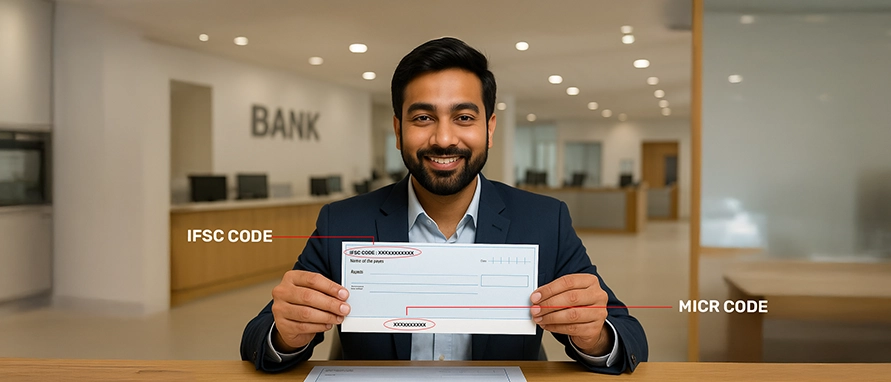
The Indian Financial System Code (IFSC) is an 11-character code assigned by the Reserve Bank of India (RBI) to every bank branch in India.
It is required for online money transfers through:
- NEFT
- RTGS
- IMPS
IFSC Code Structure
| Section | Details |
|---|---|
| First 4 Characters | Bank Code |
| Fifth Character | Always Zero |
| Last 6 Characters | Branch Code |
Each bank branch has its own unique IFSC code.
What is a MICR Code?
The Magnetic Ink Character Recognition (MICR) code is a 9-digit number printed on bank cheques.
It helps banks identify the branch during cheque processing and reduces errors in clearing transactions.
MICR Code Structure
| Section | Details |
|---|---|
| First 3 Digits | City Code |
| Next 3 Digits | Bank Code |
| Last 3 Digits | Branch Code |
MICR technology makes cheque clearing faster, more accurate, and more secure.
Key Facts About the SWIFT Messaging System
| Feature | Details |
|---|---|
| Full Name | Society for Worldwide Interbank Financial Telecommunication |
| Established | 1973 |
| Headquarters | Belgium |
| Main Purpose | Secure financial messaging between banks |
| Countries Connected | More than 200 |
| Member Institutions | Over 11,000 |
| Transfers Money Directly | No |
| Used by India | Yes |
FAQs
What is the SWIFT Messaging System?
The SWIFT Messaging System is a secure global network that allows banks to exchange payment instructions for international money transfers.
Does SWIFT transfer money?
No. SWIFT only sends secure financial messages between banks. The actual transfer of money is completed by the banks themselves.
Why was Russia removed from SWIFT?
Several Russian banks were removed from SWIFT as part of international sanctions following the Russia-Ukraine conflict.
Is India connected to the SWIFT Messaging System?
Yes. Indian banks use the SWIFT Messaging System for international banking and trade transactions.
What is the difference between SWIFT and IFSC?
SWIFT is used for international banking transactions, while IFSC is used for domestic electronic fund transfers within India.