Tamil Nadu Endangered Species Conservation Initiative 2025

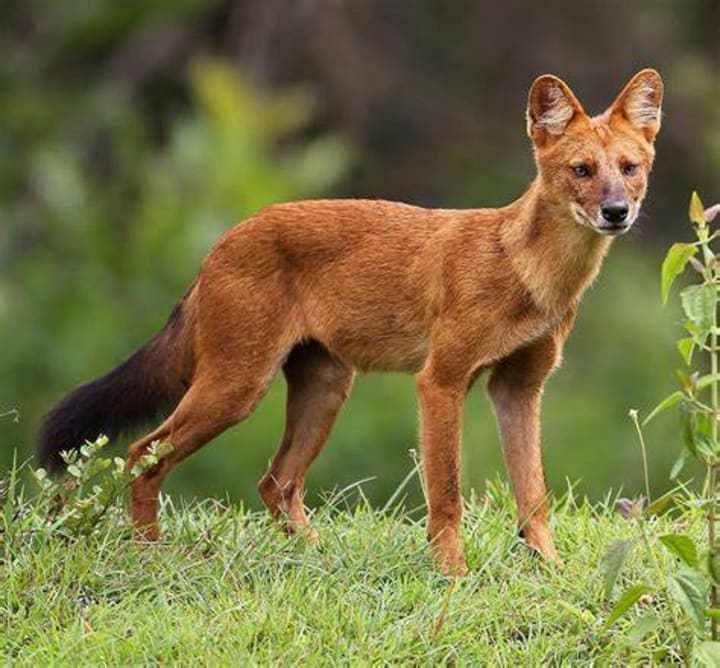
The Tamil Nadu Endangered Species conservation drive has taken a major step forward as the state government allocated ₹1 crore for the protection of four lesser-known and threatened species. This forward-thinking initiative seeks to conserve the lion-tailed macaque, Madras hedgehog, striped hyena, and hump-headed mahseer animals that are vital to ecological balance but often overshadowed by flagship species like elephants and tigers.
Thank you for reading this post, don't forget to subscribe!The decision underscores Tamil Nadu’s commitment to expanding its conservation priorities to include smaller, ecologically crucial species. It also highlights the importance of preserving the state’s unique biodiversity, which supports both natural ecosystems and human livelihoods.
Tamil Nadu Endangered Species: Funding Allocation and Species Focus
Under this new programme, the government has allocated funds strategically among the four species based on their conservation needs and habitat conditions.
- Lion-tailed macaque – ₹48.5 lakh: This rare primate is endemic to the Western Ghats, surviving only in fragmented rainforest patches. The allocation focuses on improving habitat connectivity and minimizing human interference in its territories.
- Madras hedgehog – ₹20.5 lakh: Found across semi-arid landscapes in Tamil Nadu, Andhra Pradesh, and Kerala, this nocturnal mammal faces threats from habitat loss and roadkills. Conservation funds will support awareness and rescue initiatives.
- Striped hyena – ₹14 lakh: Classified as near-threatened, this scavenger plays a key role in maintaining environmental hygiene. Declines in its population around Mudumalai Tiger Reserve and nearby areas have triggered urgent conservation action.
- Hump-headed mahseer – ₹17 lakh: This critically endangered freshwater fish species inhabits the Moyar River and faces pressure from dam construction, overfishing, and water pollution. Funds will help restore its habitats and promote sustainable fishing practices.

This targeted approach ensures that even species often overlooked in mainstream conservation receive necessary attention and funding for long-term survival.
Tamil Nadu Endangered Species: Ecological Importance of Targeted Animals
The four species under the Tamil Nadu Endangered Species programme are not only biologically unique but also ecologically indispensable.
- Lion-tailed macaque: As a frugivorous primate, it disperses seeds throughout the forest, aiding natural regeneration and maintaining rainforest diversity.
- Madras hedgehog: This insectivorous mammal helps control pest populations, contributing to the balance of semi-arid ecosystems.
- Striped hyena: Acting as a natural cleaner, it scavenges on carcasses, reducing disease spread and keeping ecosystems free from decay buildup.
- Hump-headed mahseer: Known as a “flagship fish” of South Indian rivers, it maintains aquatic biodiversity and supports traditional fishing communities.
By protecting these species, Tamil Nadu ensures the preservation of interconnected ecological networks vital to soil health, water quality, and overall ecosystem stability.
Tamil Nadu Endangered Species: Conservation Measures and Strategies
The Tamil Nadu Forest Department, in collaboration with local NGOs and research institutions, will implement a series of strategic conservation actions.
- Habitat Restoration and Monitoring:
Regular surveys and habitat assessments will track the population trends and movement of each species. Satellite mapping will identify critical habitats requiring immediate protection. - Connectivity and Safety Measures:
For arboreal species like the lion-tailed macaque, canopy bridges will be constructed to connect fragmented forest patches, allowing safe movement across roads and human settlements. - Breeding and Restocking Programmes:
Conservation breeding initiatives for the hump-headed mahseer will be launched, followed by restocking efforts in healthy river stretches to strengthen wild populations. - Community Engagement:
Local residents will be involved in monitoring and protection activities. Awareness campaigns will educate communities about the ecological and economic value of these species, reducing conflicts and promoting coexistence. - Training and Capacity Building:
Frontline forest staff will receive training in species identification, rescue operations, and scientific data collection. This will enhance the effectiveness of field-level conservation work.
Through these multifaceted strategies, Tamil Nadu aims to create a long-term conservation framework adaptable to changing ecological conditions.
Tamil Nadu Endangered Species: Expected Outcomes and Future Goals
The Tamil Nadu Endangered Species initiative is expected to deliver tangible outcomes over the next few years. Key results include:
- Establishment of baseline data for population numbers, genetic diversity, and habitat health.
- Improved public awareness about lesser-known wildlife species and their ecological roles.
- Reduction in human-wildlife conflict incidents due to better habitat management and awareness.
- Enhanced collaboration between government bodies, research organizations, and local communities.
- Gradual recovery of species populations and restoration of ecological balance across Tamil Nadu’s varied landscapes.
This conservation effort also aligns with India’s broader biodiversity goals under national and international frameworks such as the National Biodiversity Action Plan and the Convention on Biological Diversity (CBD).
By safeguarding smaller, vulnerable species, Tamil Nadu reinforces the principle that biodiversity protection is not limited to iconic animals but extends to every organism sustaining our environment. The initiative marks a visionary step toward creating an inclusive and ecologically resilient conservation model.