Mera Hou Chongba Festival Unites Manipur in 2025

The Mera Hou Chongba Festival Manipur 2025 was celebrated with grandeur and cultural pride at Kangla Fort in Imphal. The vibrant event showcased the state’s unity in diversity, bringing together people from both the hill and valley regions. The celebrations were led by Manipur’s Titular King and Rajya Sabha MP Leishemba Sanajaoba, whose presence symbolized royal heritage and leadership.
Thank you for reading this post, don't forget to subscribe!Traditional songs, dances, and rituals filled the air, as participants adorned in colorful ethnic attire represented various indigenous communities of Manipur. The Mera Hou Chongba Festival Manipur not only celebrated cultural expression but also stood as a living embodiment of peace, harmony, and reconciliation in a state that continues to rebuild from past unrest.
Historical and Cultural Significance of Mera Hou Chongba Festival Manipur
The Mera Hou Chongba Festival Manipur is one of the most ancient and revered festivals in the state, symbolizing the deep-rooted ties between the hill and valley communities. Its origins trace back centuries to the time when the Meitei kings sought to establish unity among diverse tribal groups.
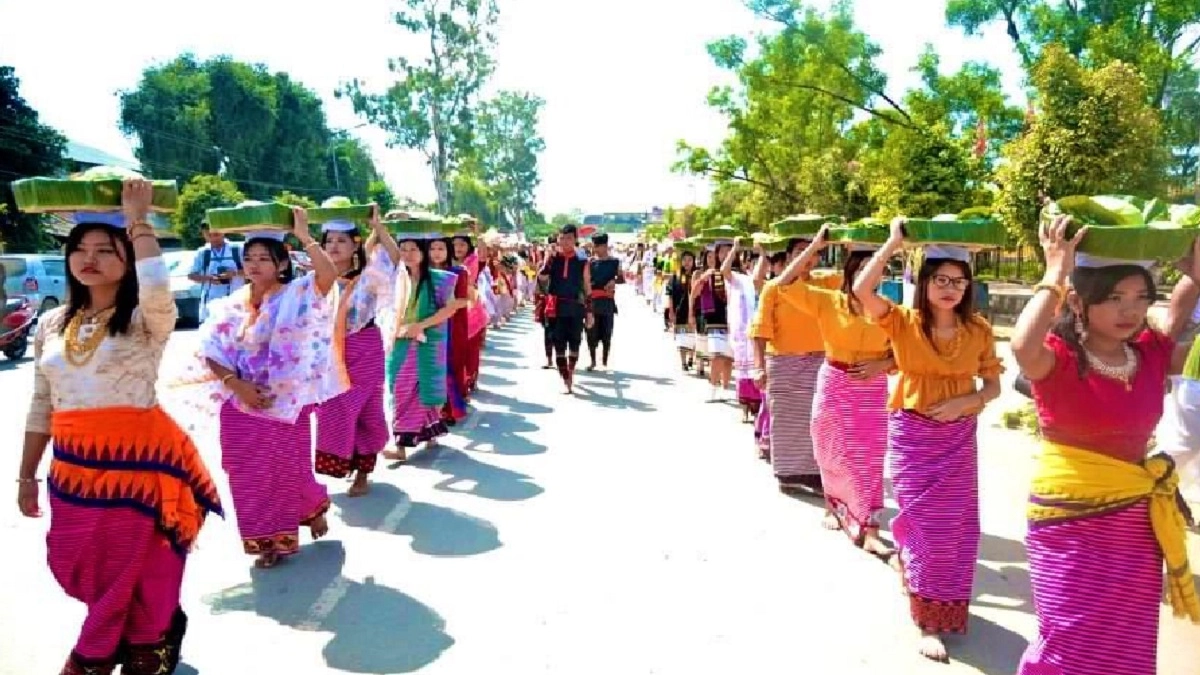
Traditionally observed during the Mera month of the Meitei lunar calendar (around October), the festival is celebrated with rituals, traditional music, and folk dances. It embodies the message that, despite differences in language, customs, or lifestyle, all ethnic groups share a common ancestry and destiny.
The choice of Kangla Fort as the festival venue is highly symbolic. Once the royal seat of the Meitei kings, Kangla stands as a monument to Manipur’s sovereignty, spirituality, and cultural brilliance. The fort, filled with historic relics, becomes a vibrant center of communal harmony during the festival, drawing thousands of participants and visitors.
Festival Procession and Rituals at Mera Hou Chongba Festival Manipur
The day of the Mera Hou Chongba Festival Manipur begins with a grand cultural procession starting from the Royal Palace and moving toward Kangla Fort. This majestic march, led by Leishemba Sanajaoba, represents the unbroken lineage of Manipur’s royal tradition.
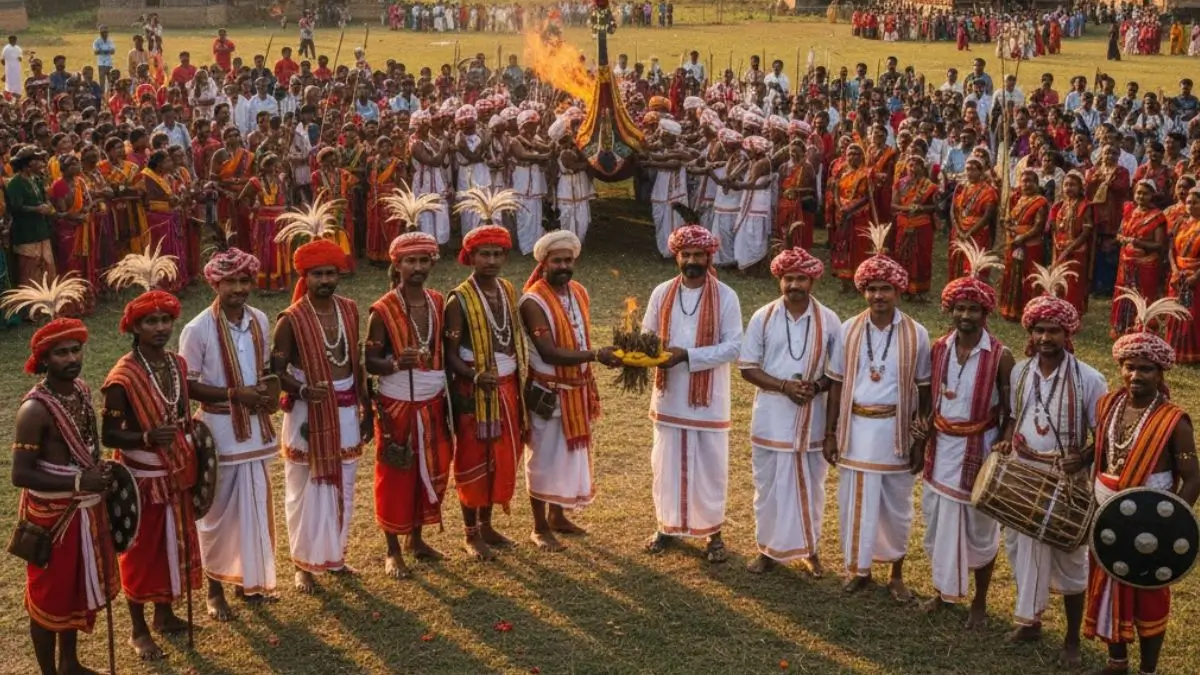
Men and women from both hills and valleys join in the procession, dressed in their traditional costumes a colorful sight that reflects the diversity of the state. Tribal chiefs, cultural groups, and youth organizations participate, carrying their respective flags and performing ethnic songs and dances along the route.
Once the procession reaches Kangla Fort, a series of rituals and prayers take place. Offerings are made to ancestral deities, invoking blessings for unity, peace, and prosperity. The atmosphere resonates with the beats of traditional drums, gongs, and folk instruments. Cultural performances, including dances from Naga, Kuki, Meitei, and other tribes, create a spectacular display of Manipur’s composite identity.
Every act during the celebration from lighting traditional lamps to offering symbolic gifts reinforces the festival’s purpose of strengthening the bond between different ethnic groups.
Role of Mera Hou Chongba Festival Manipur in Social Harmony
The Mera Hou Chongba Festival Manipur serves as a vital platform for inter-community dialogue and reconciliation. In a state known for its diverse ethnic composition, the festival reminds everyone of their shared cultural roots and the importance of coexistence.
Historically, it has been regarded as a bridge between the hills and the valley, fostering relationships that transcend geographic and ethnic barriers. The festival promotes the idea that cultural respect and unity are key to the state’s long-term peace.
Local elders and leaders view Mera Hou Chongba as more than a celebration it is a social movement for harmony. Through shared rituals and participation, communities find common ground, reaffirming the values of respect, cooperation, and mutual understanding.
In times of division or tension, the festival acts as a reminder of solidarity, showing that Manipur’s strength lies in its ability to embrace diversity with dignity and pride.
Contemporary Relevance
In recent years, Manipur has faced challenges marked by social and political unrest. Against this backdrop, the Mera Hou Chongba Festival Manipur holds renewed significance. It has become a symbol of hope, cultural resilience, and unity.
The festival plays an essential role in healing divisions and restoring trust among communities. Leaders and participants emphasize that celebrating shared traditions helps rekindle a collective spirit, especially as the state works toward peace and recovery.
Beyond its local importance, Mera Hou Chongba also attracts national and international attention. Tourists and cultural enthusiasts visit Manipur during the festival to experience its authenticity and inclusivity. This rising interest contributes to cultural tourism, supporting local artisans, performers, and small businesses.
Moreover, with the involvement of young people in organizing and performing, the festival has become a platform for cultural education, ensuring that traditional practices are passed on to future generations. It blends the old with the new honoring history while inspiring contemporary identity.
Through such inclusive efforts, the Mera Hou Chongba Festival Manipur continues to illuminate the message of unity, proving that even amid diversity, Manipur remains one heart, one heritage, and one home.