




Paramparagat Krishi Vikas Yojana Boosts Organic Farming in India

The Paramparagat Krishi Vikas Yojana (PKVY) has emerged as one of India’s most impactful schemes driving the organic farming revolution by 2025. Launched in 2015 under the National Mission for Sustainable Agriculture (NMSA), the scheme aims to promote sustainable, chemical-free, and eco-friendly farming through a cluster-based organic farming model. Over the past decade, PKVY has transformed rural livelihoods, improved soil fertility, and created new market linkages for organic produce, symbolizing India’s commitment to green agriculture and rural prosperity.
Thank you for reading this post, don't forget to subscribe!Paramparagat Krishi Vikas Yojana: Cluster-Based Organic Farming Model
At the heart of Paramparagat Krishi Vikas Yojana lies the innovative cluster-based organic farming approach. Farmers are organized into clusters of around 20 hectares each, promoting a collective movement toward sustainable farming practices.
This model helps standardize organic cultivation methods, share resources efficiently, and reduce overall production costs. Across India, thousands of such clusters have emerged, empowering farmers to use bio-fertilizers, compost, and natural pest management techniques instead of harmful chemicals.
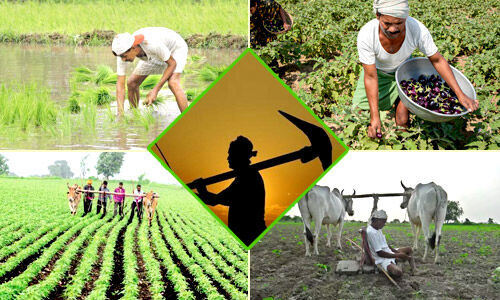
Training sessions and field demonstrations help farmers gain practical knowledge and confidence to shift from conventional to organic methods. These community clusters have also strengthened local cooperation and collective marketing, ensuring better income stability and resilience against market fluctuations.
Objectives and Benefits of Paramparagat Krishi Vikas Yojana
The Paramparagat Krishi Vikas Yojana is designed with a clear focus on promoting eco-friendly, self-reliant agriculture. Its objectives include:
- Reducing dependency on synthetic fertilizers and pesticides
- Enhancing soil health and fertility through organic inputs
- Lowering input costs while increasing farmer profitability
- Promoting biodiversity and resource conservation
- Encouraging the production and consumption of chemical-free food
To support these goals, PKVY provides financial assistance of ₹31,500 per hectare for three years. This funding covers expenses related to organic inputs, certification, branding, and farmer training.
The results have been transformative participating farmers report improved soil quality, better yields over time, and reduced vulnerability to external input price fluctuations. The scheme has also made Indian consumers more aware of the benefits of organic food, boosting domestic demand.
Paramparagat Krishi Vikas Yojana: Implementation and Financial Support
Implementation of the Paramparagat Krishi Vikas Yojana follows a structured and transparent system. Farmers owning up to two hectares of land are eligible to apply under this programme.
Each state prepares an Annual Action Plan (AAP) that is approved by the Ministry of Agriculture and Farmers Welfare. Funds are then transferred from the Central Government to State Governments, onward to Regional Councils, and finally to farmers through Direct Benefit Transfer (DBT).
This layered yet accountable mechanism ensures that the financial support reaches genuine beneficiaries efficiently. Regional Councils also provide on-ground guidance, capacity building, and technical supervision to help farmers maintain organic standards and secure certification.
Organic Certification Systems under Paramparagat Krishi Vikas Yojana
A major component of Paramparagat Krishi Vikas Yojana is its dual certification system, which ensures that both domestic and international markets recognize Indian organic products.
- Third-Party Certification (NPOP):
This certification follows the National Programme for Organic Production (NPOP) guidelines. It is designed for farmers targeting export markets and ensures compliance with global organic standards. - Participatory Guarantee System (PGS-India):
PGS is a community-based certification system suitable for small and medium farmers producing for domestic markets. It is low-cost, transparent, and relies on peer reviews within farmer groups.
Additionally, the Large Area Certification (LAC) system enables chemical-free regions to be certified more quickly, helping states like Sikkim, Uttarakhand, and the North Eastern regions achieve organic recognition in record time.
Achievements and Scale of Paramparagat Krishi Vikas Yojana
By 2025, Paramparagat Krishi Vikas Yojana has achieved remarkable growth and impact across India. Over 25 lakh farmers have benefitted, covering nearly 15 lakh hectares of agricultural land.
More than 52,000 organic clusters have been formed nationwide, expanding especially in tribal and eco-sensitive regions such as Lakshadweep, the Andaman & Nicobar Islands, and the North Eastern states.
Sikkim, in particular, stands as a global example of success becoming the world’s first 100% organic state under this very scheme. This milestone underscores the potential of PKVY to transform agriculture sustainably at scale.
The initiative has also improved India’s global reputation in organic farming exports, with rising demand for Indian organic spices, tea, pulses, and fruits in Europe, the Middle East, and North America.
Paramparagat Krishi Vikas Yojana: Digital and Market Linkages
To strengthen market connectivity, the government launched the Jaivik Kheti Portal, a digital platform that connects farmers, suppliers, and buyers of organic products. This online marketplace allows farmers to sell directly, ensuring fair pricing and transparent trade.
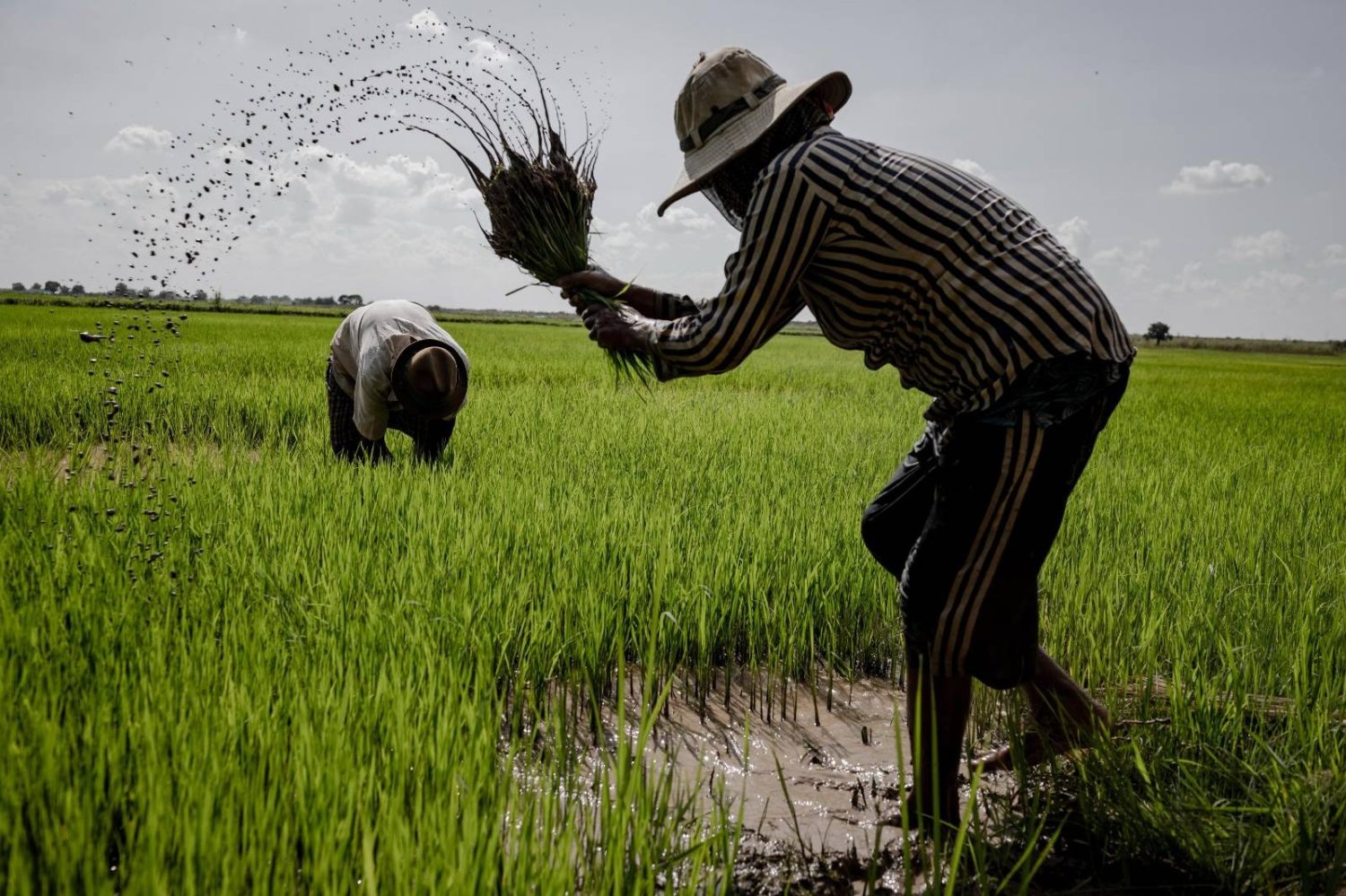
By promoting direct sales and digital registration, Jaivik Kheti empowers farmers to become entrepreneurs, access national and international buyers, and build trust in organic labeling.
Moreover, this integration of technology under PKVY enhances traceability, allowing consumers to verify product origins, ensuring authenticity, and creating a reliable organic value chain across India.
Impact and Future Outlook of Paramparagat Krishi Vikas Yojana
The Paramparagat Krishi Vikas Yojana has proven to be more than a government initiative it’s a movement toward sustainable rural transformation. The scheme not only improves soil and environmental health but also strengthens the economic foundation of small and marginal farmers.
By 2025, it continues to inspire a national shift toward organic agriculture, contributing to India’s Sustainable Development Goals (SDGs) on responsible production, environmental protection, and poverty reduction. With ongoing government support, technological innovation, and growing consumer demand, PKVY is set to make India a global leader in organic farming.