

OpenAI IndQA Benchmark: Enhancing AI’s Cultural and Linguistic Understanding in India

OpenAI IndQA Benchmark India marks a groundbreaking development in the field of artificial intelligence, aimed at testing how effectively AI models understand India’s linguistic and cultural diversity. The benchmark, introduced by OpenAI, represents a major leap toward building AI systems capable of grasping the subtle nuances, traditions, and expressions that define India’s multilingual society.
Thank you for reading this post, don't forget to subscribe!India, home to hundreds of languages and dialects, presents one of the most complex linguistic ecosystems in the world. The IndQA benchmark (short for Indian Question-Answering Benchmark) has been specifically designed to evaluate AI performance in this diverse environment bridging the gap between language technology and real human understanding.
OpenAI IndQA Benchmark India: Purpose and Development
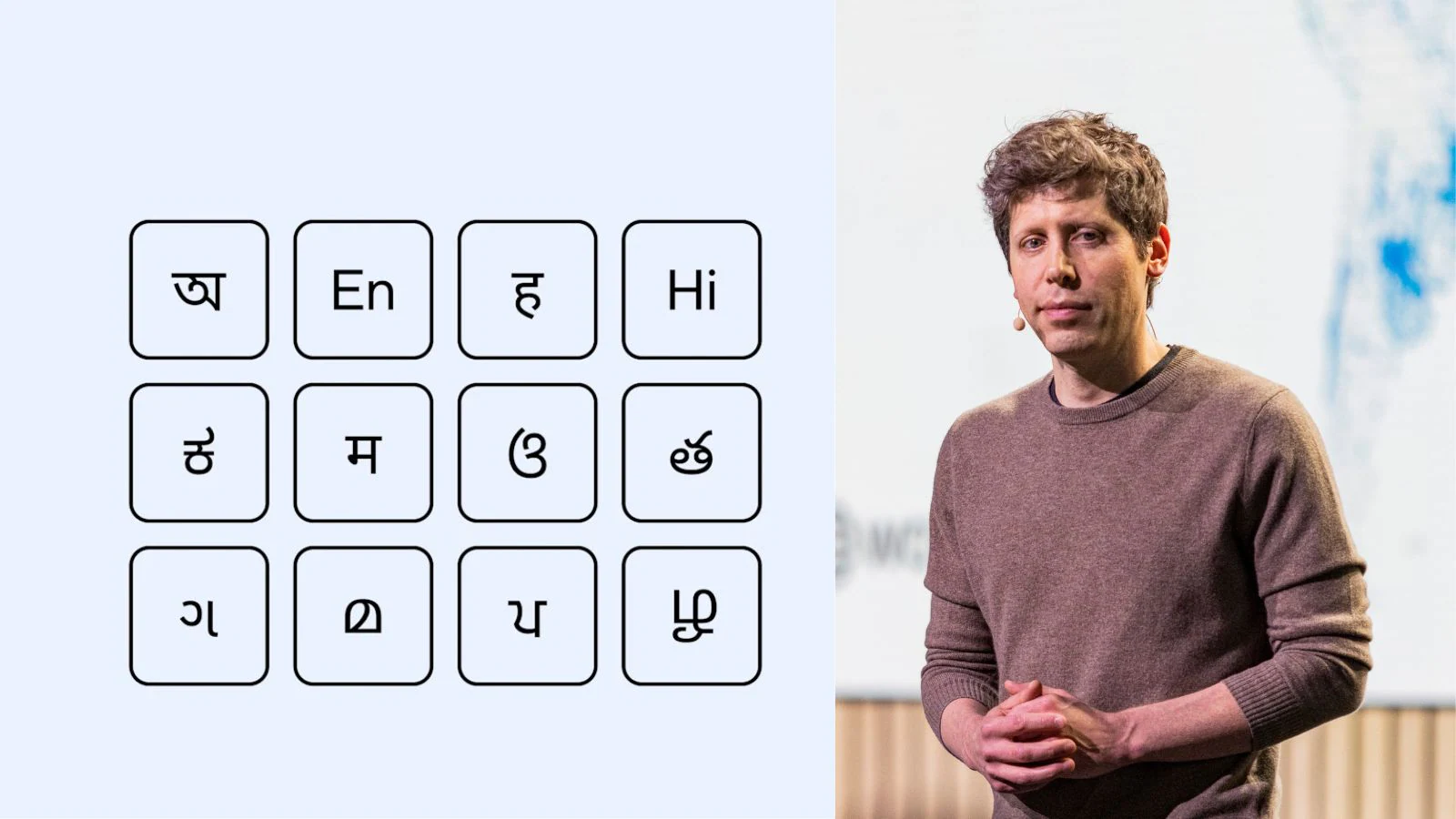
The OpenAI IndQA Benchmark India was developed through an extensive collaboration involving 261 domain experts from across the country. It features 2,278 questions written in 12 Indian languages and organized across 10 cultural domains, including literature, food, spirituality, history, and everyday life.
Unlike traditional datasets such as MMMLU and MGSM, which rely on translated content, IndQA is natively written. This means the questions were crafted directly in regional languages rather than translated from English, ensuring authenticity in tone, phrasing, and cultural context.
OpenAI emphasized that the benchmark was built to make AI models understand people as they naturally speak and think, not through rigid translations. This aligns with the company’s broader mission of creating AI systems that are globally inclusive and culturally aware.
According to OpenAI researchers, IndQA’s creation involved months of collaborative work among linguists, educators, and subject matter experts to ensure the content reflects the diversity of India’s lived experiences and linguistic richness.
OpenAI IndQA Benchmark India: Structure and Evaluation Method
The IndQA framework introduces a rubric-based evaluation system, a departure from the multiple-choice style of testing used in older benchmarks. Each question in the dataset includes four essential components:
- A culturally contextual prompt written in an Indian language
- An English translation for cross-verification
- A grading rubric that defines expected response standards
- An ideal expert-level answer crafted by domain specialists
Instead of assigning binary scores for right or wrong answers, IndQA uses weighted scoring based on how closely a model’s output aligns with expert-defined criteria. These criteria assess factors like nuance, reasoning ability, factual accuracy, and cultural correctness.
The grading process provides a much deeper insight into how well AI systems can replicate human-like understanding. It helps determine whether models not only know facts but also comprehend context, tone, and cultural relevance key factors in effective communication.
OpenAI IndQA Benchmark India: Languages and Cultural Scope
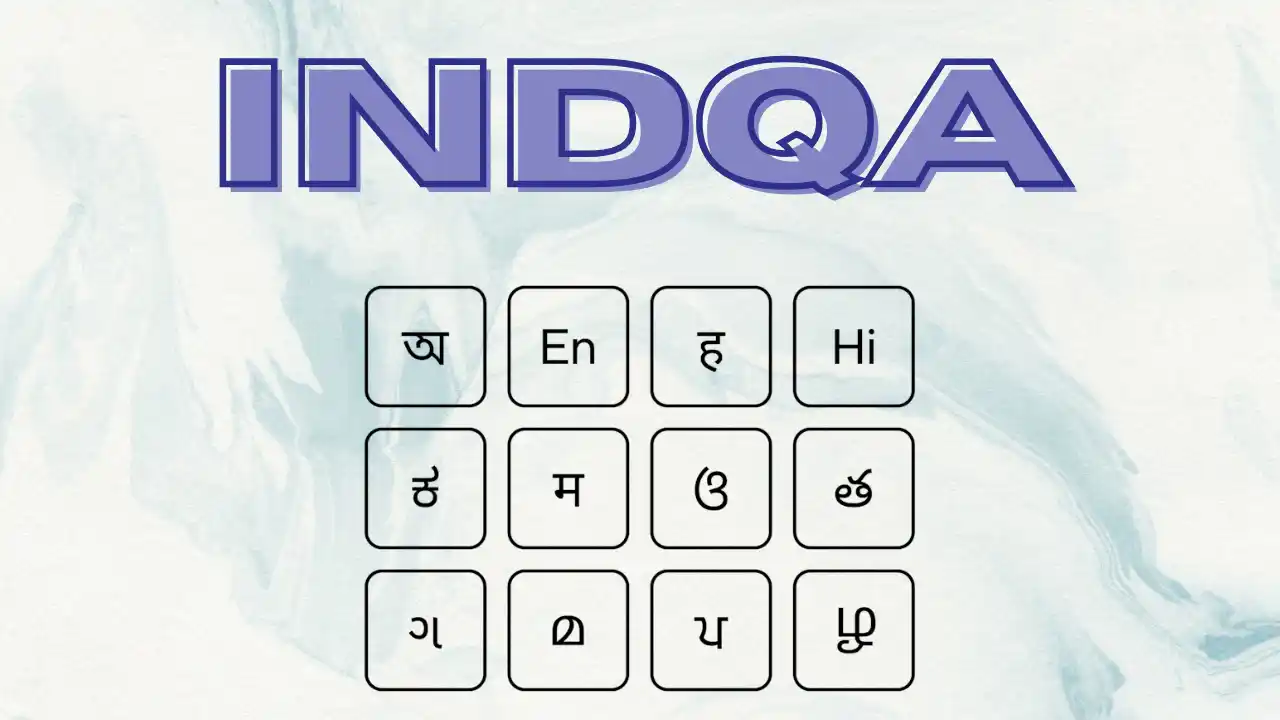
The OpenAI IndQA Benchmark India covers an impressive range of 12 Indian languages:
Bengali, English, Hindi, Hinglish, Kannada, Marathi, Odia, Telugu, Gujarati, Malayalam, Punjabi, and Tamil.
Each language section incorporates diverse question types drawn from 10 major cultural and intellectual domains, including:
- Architecture & Design
- Arts & Culture
- Everyday Life & Traditions
- Law & Ethics
- Media & Entertainment
- Religion & Spirituality
- Science & Technology
- Sports & Recreation
By focusing on both mainstream and regional cultural aspects, IndQA enables AI models to learn not just linguistic translation but cultural comprehension the ability to interpret metaphors, idioms, and context-sensitive meanings.
OpenAI chose India as the starting point for this benchmark due to its unparalleled linguistic diversity and because nearly one billion Indians do not use English as their primary language. This makes India an ideal testbed for building truly inclusive AI.
OpenAI IndQA Benchmark India: Technical Evaluation and Model Testing
To assess the performance of leading AI systems, OpenAI tested IndQA on its most advanced models GPT-4o, OpenAI o3, GPT-4.5, and GPT-5. Each model was evaluated for its ability to respond accurately and contextually across different languages and cultural categories.
The results revealed that while modern AI models have made significant progress in multilingual understanding, they still face challenges in regional context interpretation and idiomatic expression handling. For instance, while English and Hindi responses showed strong reasoning accuracy, models displayed occasional gaps in languages like Odia or Kannada, where cultural idioms and local phrases posed interpretive challenges.
These findings underscore the importance of training AI systems on regionally grounded datasets like IndQA to enhance real-world linguistic adaptability and fairness across communities.
OpenAI IndQA Benchmark India: Key Insights
- The IndQA dataset contains 2,278 questions covering 12 languages and 10 cultural domains.
- Developed with contributions from 261 Indian experts, ensuring authentic and diverse input.
- Implements a rubric-based grading method to assess cultural and contextual understanding.
- Benchmarked using OpenAI’s latest models, including GPT-4o, GPT-4.5, and GPT-5.
- Focuses on natural, native-language comprehension rather than literal translation.
These characteristics make IndQA a transformative tool for evaluating the depth of AI’s cultural intelligence, not just its computational power.
OpenAI IndQA Benchmark India: Significance and Broader Impact
According to Srinivas Narayanan, CTO of B2B Applications at OpenAI, the IndQA project represents a crucial step in ensuring that AI models truly understand “the nuances every culture cares about.” By embedding cultural empathy into technology, OpenAI aims to move beyond a Western-centric AI framework toward a more equitable global system.
With India emerging as ChatGPT’s second-largest market, this benchmark also reflects OpenAI’s long-term commitment to making its products more accessible and reliable for non-English users. IndQA not only enhances the performance of language models for Indian audiences but also provides a scalable framework for other multilingual societies across Asia, Africa, and Latin America.
The company plans to replicate this region-specific AI evaluation framework in other linguistically rich areas to improve multicultural understanding and reduce bias in global AI systems.
Experts believe that IndQA could influence future AI policy, research, and education by encouraging localized datasets that represent diverse human experiences. As AI becomes increasingly integrated into governance, education, and healthcare, the ability to interpret cultural context will determine how truly “intelligent” these systems are.