Krasznahorkai Wins Nobel Prize in Literature 2025

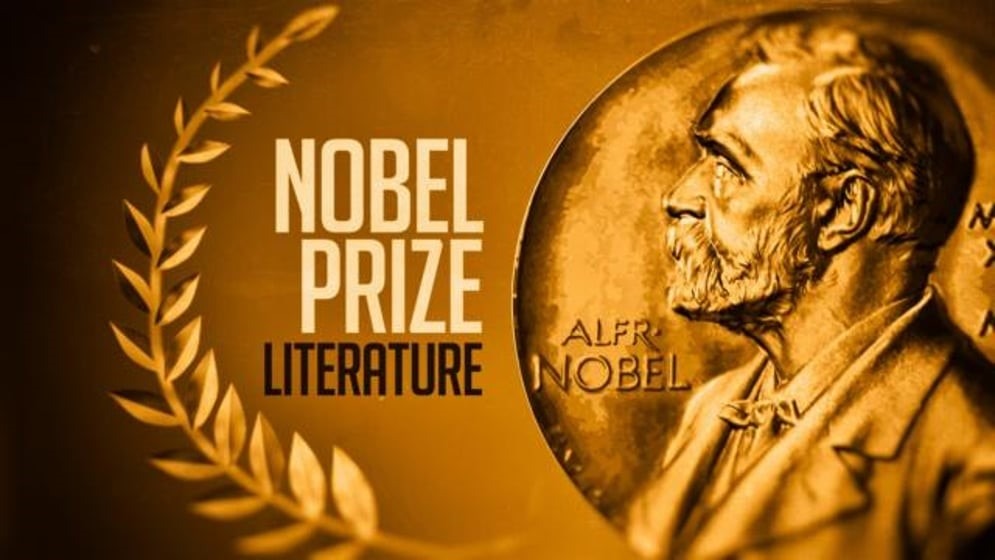
The Royal Swedish Academy of Sciences announced on 9 October 2025 that the Nobel Prize in Literature 2025 has been awarded to Hungarian novelist László Krasznahorkai. The award celebrates his profound and visionary literary contributions that delve into themes of apocalypse, despair, and the redemptive power of art. Known for his dense, poetic prose and philosophical depth, Krasznahorkai’s works portray the struggle of human existence amid chaos and decay, affirming art’s timeless role in offering hope and meaning.
Thank you for reading this post, don't forget to subscribe!Nobel Prize Literature 2025 Krasznahorkai: Announcement and Significance
The Nobel Prize in Literature 2025 marks one of the most anticipated literary recognitions of the year. The award, presented by the Royal Swedish Academy of Sciences, follows the announcements for Nobel Prizes in Physiology or Medicine, Physics, and Chemistry earlier in the week. The Nobel Peace Prize and the Prize in Economic Sciences will be revealed later in October.
Each Nobel Prize includes a cash award of 11 million Swedish kronor (approximately ₹1.03 crore). The formal ceremony will take place on 10 December, commemorating the death anniversary of Alfred Nobel, the founder of the prizes.
The Academy’s citation for László Krasznahorkai describes his writing as a remarkable blend of “apocalyptic terror and the affirming power of art,” reflecting his ability to reveal the fragility of civilization while reaffirming the endurance of the human spirit.
Nobel Prize Literature 2025 Krasznahorkai: Literary Journey
Born in 1954 in Gyula, near Hungary’s border with Romania, László Krasznahorkai rose to prominence with his debut novel Sátántangó (1985). The book gained global recognition after its English translation in 2012 and was later adapted into a seven-hour-long film by Béla Tarr. The novel’s haunting portrayal of post-communist desolation and cyclical decay introduced readers to Krasznahorkai’s signature style long, unbroken sentences that mirror the chaos and monotony of human life.
Throughout his career, Krasznahorkai has written about apocalyptic visions, moral disintegration, and the search for beauty in destruction. His works, though complex and demanding, reward readers with deep philosophical reflections on the human condition.
Over the decades, his novels have been translated into numerous languages, earning him a dedicated global readership and acclaim from critics and writers alike. The Nobel Prize Literature 2025 Krasznahorkai recognition solidifies his place among the most influential literary figures of the modern era.
Nobel Prize Literature 2025 Krasznahorkai: Key Works and Themes
Krasznahorkai’s most acclaimed novels and short stories reflect his fascination with decay, transcendence, and time.
- Herscht 07769 (2025): His latest novel, celebrated as a major contemporary German-language work, is set in a small town in Thüringen, Germany. The narrative explores social unrest, violence, and beauty, woven together through references to Johann Sebastian Bach’s legacy. Critics have praised the novel for its lyrical intensity and its haunting depiction of humanity’s search for meaning amid disarray.
- Északról hegy, Délről tó, Nyugatról utak, Keletről folyó (2022), translated as A Mountain to the North, a Lake to the South, Paths to the West, a River to the East, continues his exploration of solitude and spirituality. The novel meditates on impermanence and the pursuit of artistic perfection.
- Seiobo járt odalent (2008), translated as Seiobo There Below (2013), is a collection of 17 stories arranged according to the Fibonacci sequence. Each story contemplates beauty, art, and creation in different cultural contexts from Japan’s Noh theatre to European cathedrals—emphasizing art’s capacity to transcend suffering.
Recurring motifs in Krasznahorkai’s writing include apocalyptic visions, existential dread, and redemption through art. His language, at once lyrical and relentless, immerses readers in a rhythmic flow of thought that challenges conventional narrative structures.
Nobel Prize Literature 2025 Krasznahorkai: Significance of the Award
The Nobel Committee praised Krasznahorkai for his unmatched ability to combine despair with a profound affirmation of human creativity. His works remind readers that even in times of cultural and moral collapse, art remains an enduring force of renewal.
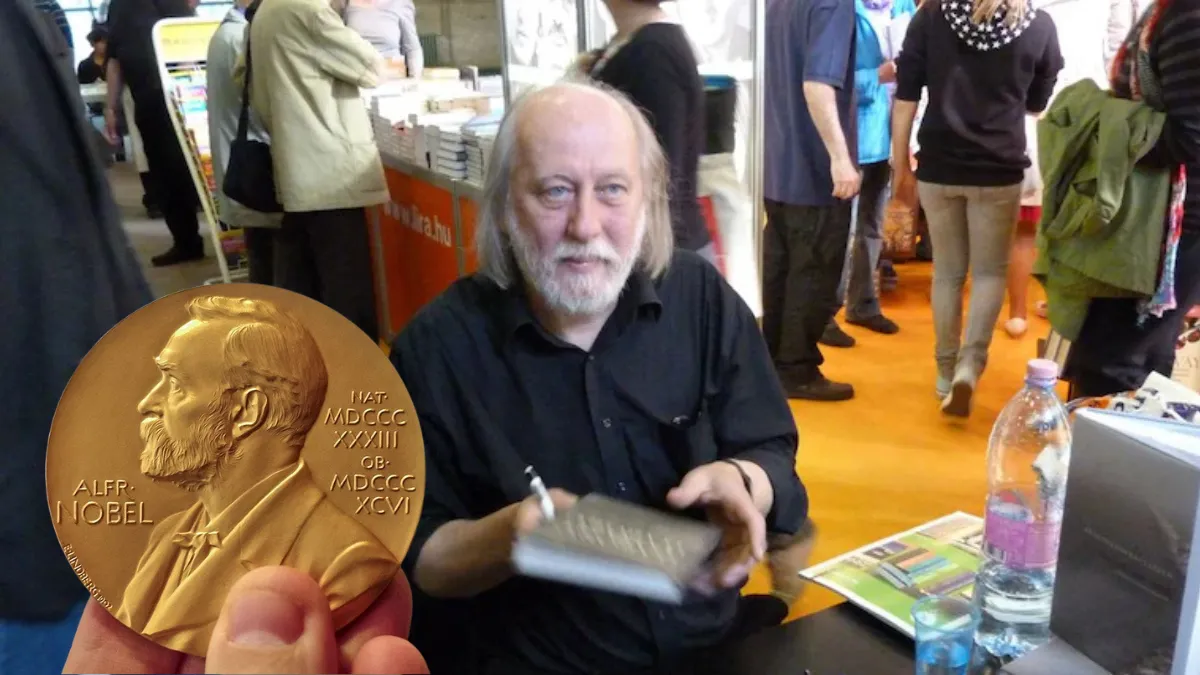
Literary scholars have long admired Krasznahorkai for redefining the boundaries of fiction. His writing is often described as “slow literature”, requiring patience and reflection rather than instant gratification. This approach stands in stark contrast to contemporary trends, reaffirming the role of literature as a meditative and transformative art form.
By awarding Nobel Prize Literature 2025 Krasznahorkai, the Academy has recognized not only a writer but also a philosopher of existence one who invites humanity to look into the abyss and still find beauty.
Nobel Prize Literature 2025 Krasznahorkai: The Legacy of the Nobel Tradition
The Nobel Prize has honored outstanding achievements in Physics, Chemistry, Physiology or Medicine, Literature, Peace, and Economic Sciences since 1901. Founded by Alfred Nobel, the inventor of dynamite, the prizes aim to reward those who “confer the greatest benefit to humankind.”
The Nobel Prize in Literature specifically acknowledges writers whose works have had a lasting impact on the cultural and intellectual landscape. Past laureates include literary giants such as Rabindranath Tagore, Gabriel García Márquez, Toni Morrison, Orhan Pamuk, and Kazuo Ishiguro.
With this year’s award, László Krasznahorkai joins that distinguished lineage. His contribution stands out for merging European modernism with universal human themes, offering a literary vision that transcends national and linguistic boundaries.
The recognition of Nobel Prize Literature 2025 Krasznahorkai reaffirms the enduring relevance of literature in understanding and confronting the challenges of our time. His work reminds readers that amid disorder and uncertainty, art continues to illuminate the human soul.