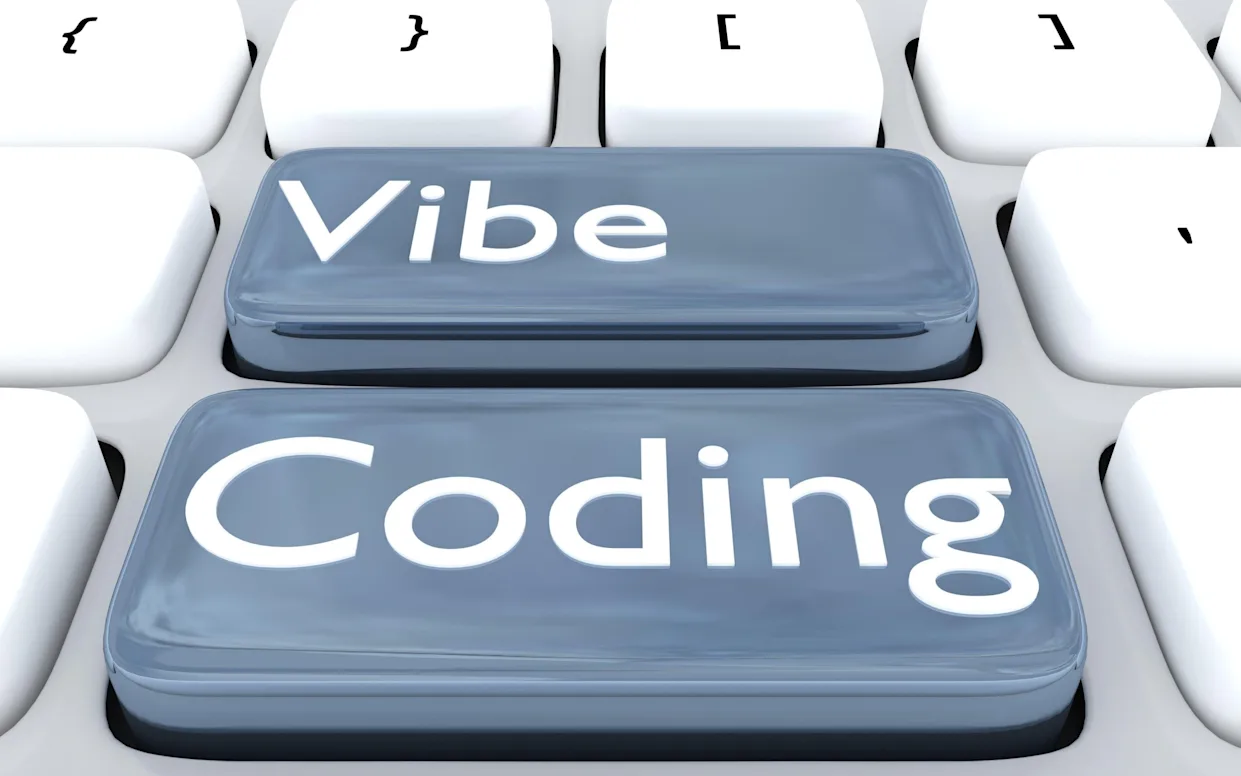
Vibe Coding Word of the Year 2025: How AI is Turning Conversations into Code

Vibe Coding Word of the Year 2025 that’s the phrase officially crowned by Collins Dictionary, capturing one of the most fascinating shifts in the relationship between humans and technology. The term reflects how artificial intelligence is transforming not only how we build software, but also how we communicate ideas into digital form. “Vibe coding” marks the beginning of an era where you don’t need to know complex programming languages to create applications you simply need to describe your vibe.
Thank you for reading this post, don't forget to subscribe!The phrase “vibe coding” was coined in February 2025 by Andrej Karpathy, former AI Director at Tesla and a founding engineer at OpenAI. It quickly caught fire across online platforms, symbolising the emerging world of “talk-to-code” systems. Within months, it became a cultural phenomenon, appearing in tech conferences, social media memes, and even classroom discussions. Now, as Collins Dictionary officially names it the Word of the Year 2025, “vibe coding” has been recognised as a defining expression of how people and machines collaborate in this AI-first era.
Meaning of Vibe Coding Word of the Year 2025
At its core, vibe coding refers to using everyday human language to instruct AI systems to build or modify software. Instead of manually writing complex syntax, users can simply express what they want in natural language such as “make me an app to track my expenses” or “design a simple quiz website.” The AI then interprets those instructions and automatically generates the underlying code.
This approach represents a revolution in the world of software creation. For decades, programming has been seen as a skill requiring years of training and logical precision. “Vibe coding” changes that paradigm entirely. It empowers anyone regardless of their technical background to translate ideas into working applications, all through conversation.
Karpathy described it as “coding by energy, not syntax,” meaning that users no longer have to think in terms of programming structures, but rather in terms of intent and purpose. The AI does the translation, turning the human’s “vibe” into functional software.

How Vibe Coding Word of the Year 2025 Emerged
According to Collins Dictionary, the inclusion of “vibe coding” was backed by extensive linguistic data. Lexicographers observed a sharp rise in global usage starting early in 2025. The word appeared in countless tech articles, social media discussions, and startup pitches. The dictionary’s 24-billion-word corpus, which analyses global language use, showed a surge in mentions of the phrase across both English-speaking and multilingual communities.
What started as a niche AI concept soon entered popular culture. On social media, “#vibecoding” trended alongside posts where users shared experiments with AI platforms that could build websites, games, and chatbots based on conversational input. Influencers and educators hailed it as “the future of creation,” while tech ethicists debated its implications for human creativity and employment.
Within a few months, the term became part of everyday vocabulary not just in developer circles but among content creators, entrepreneurs, and students. Collins’ decision to name it the Word of the Year reflects how deeply AI has embedded itself into daily life, shaping how we think, speak, and create.
Why Vibe Coding Word of the Year 2025 Matters
The rise of vibe coding isn’t just a linguistic milestone it’s a technological revolution. It represents the democratisation of coding, breaking down the barriers that once separated programmers from non-programmers. With conversational AI tools, the ability to create digital tools, automate workflows, or even design apps is now open to anyone with an idea.
This trend mirrors the broader movement towards natural language interfaces, where users interact with systems not through clicks and code, but through plain speech or text. From AI assistants that compose music to platforms that generate 3D designs, the line between imagination and execution is fading fast.
However, experts also caution that vibe coding has limitations. While AI can generate impressive software prototypes, complex systems still require human oversight to ensure functionality, security, and ethical use. The “vibe” may be enough to start a project, but the finishing touch still lies in human hands.
Despite these caveats, the symbolic power of the term cannot be overstated. “Vibe coding” is not just a phrase it’s a reflection of society’s changing relationship with technology. It captures how creation is shifting from logic-driven to emotion-driven, from code-heavy to conversation-based.
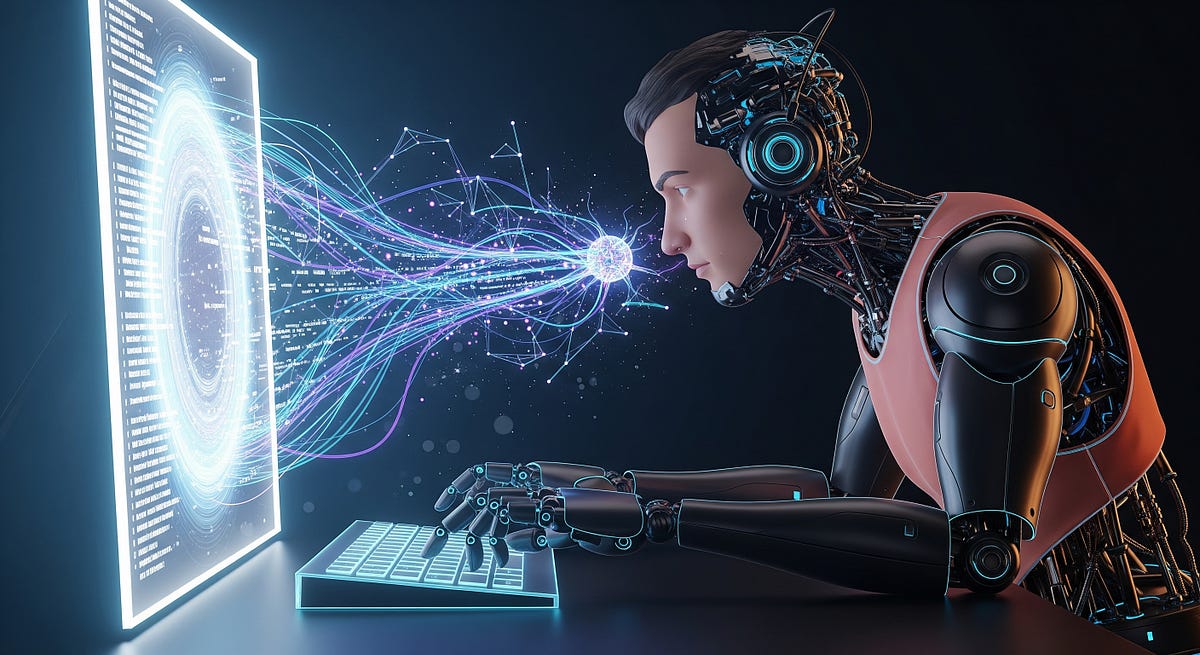
Language, AI, and the Future of Creativity
According to Alex Beecroft, Managing Director at Collins Dictionary, the selection of “vibe coding” as Word of the Year 2025 highlights “how language is evolving alongside technology.” He noted that modern AI systems have made language not just a medium for expression, but also a tool for creation. “Vibe coding,” he said, encapsulates the new reality where “everyday speech becomes the new interface of innovation.”
Indeed, this linguistic evolution mirrors the broader cultural transformation. In previous generations, coding literacy was seen as the key to digital empowerment. In 2025, linguistic fluency the ability to articulate your ideas clearly to an AI is emerging as the new creative superpower.
The rise of vibe coding may also reshape education, employment, and artistic production. Schools are beginning to integrate AI-assisted coding into their curriculums, while startups are racing to design “vibe-first” software platforms. Meanwhile, artists and writers are experimenting with AI tools to co-create music, visuals, and stories guided by mood, tone, and intent rather than traditional technical constraints.
In many ways, “vibe coding” captures the human spirit’s timeless desire to make creation effortless. It bridges emotion and engineering, imagination and execution. As AI becomes more intuitive and empathetic, we may soon enter an age where the phrase “code your vibe” isn’t just trendy slang it’s a philosophy of how technology listens, understands, and collaborates with us.
As 2025 unfolds, Collins Dictionary’s choice of Vibe Coding Word of the Year 2025 stands as a testament to how language evolves to mirror the pulse of progress. From a concept coined by a visionary AI engineer to a global symbol of creativity without barriers, “vibe coding” reflects both the excitement and the uncertainty of this new digital dawn where the only command you need is your own voice.