Ethics in International Relations: Importance, Theories and Global Challenges

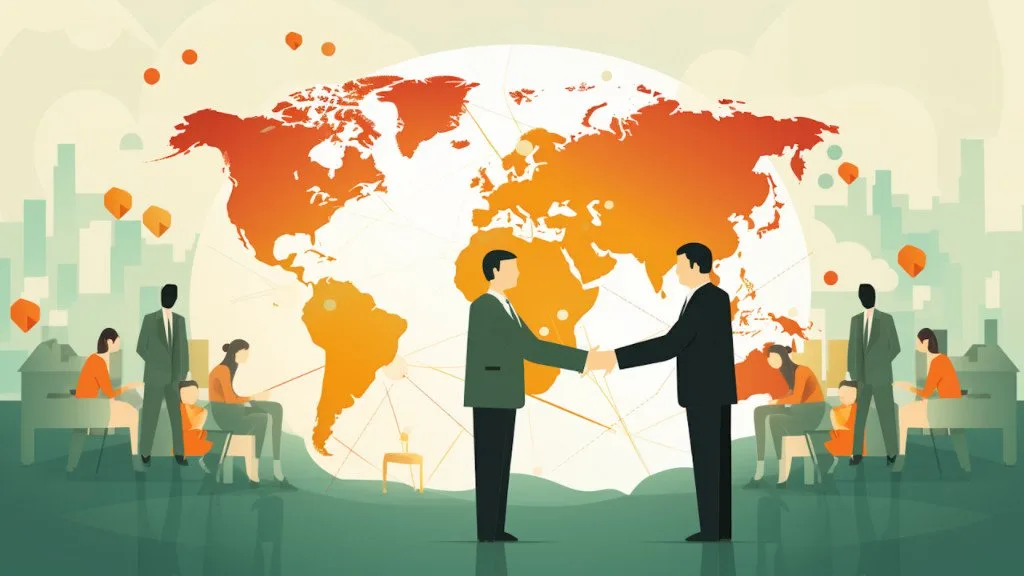
Ethics in International Relations plays a very important role in today’s connected world. Countries do not work alone anymore. They trade, cooperate, sign agreements, and solve global problems together. Because of this, ethical values such as justice, fairness, human rights, peace, and responsibility have become essential in global governance.
Thank you for reading this post, don't forget to subscribe!Ethics in international relations means the moral principles that guide the behavior of countries, international organizations, and other global actors. These principles help nations decide what is right or wrong while dealing with issues like war, trade, climate change, migration, and human rights.
In simple words, ethics helps build a fair and peaceful global system where countries respect each other and work for the common good.
What is Ethics in International Relations?
Ethics in international relations is the study of moral values that influence how countries interact with one another. It focuses on questions like:
- Should powerful countries help weaker nations?
- Is military intervention ever justified?
- Should all countries share responsibility for climate change?
- How should refugees be treated?
The main goal of international ethics is to create justice, peace, and cooperation among nations. In the age of globalization, decisions made by one country can affect the whole world. That is why ethical thinking is becoming more important than ever.
Role of Ethics in International Relations
1. Promoting Global Justice and Human Rights
One of the biggest roles of ethics is protecting human rights. Every human deserves dignity, freedom, and security, no matter where they live.
After World War II, the world realized the need to protect people from genocide, war crimes, and mass violence. This led to stronger international laws and institutions.
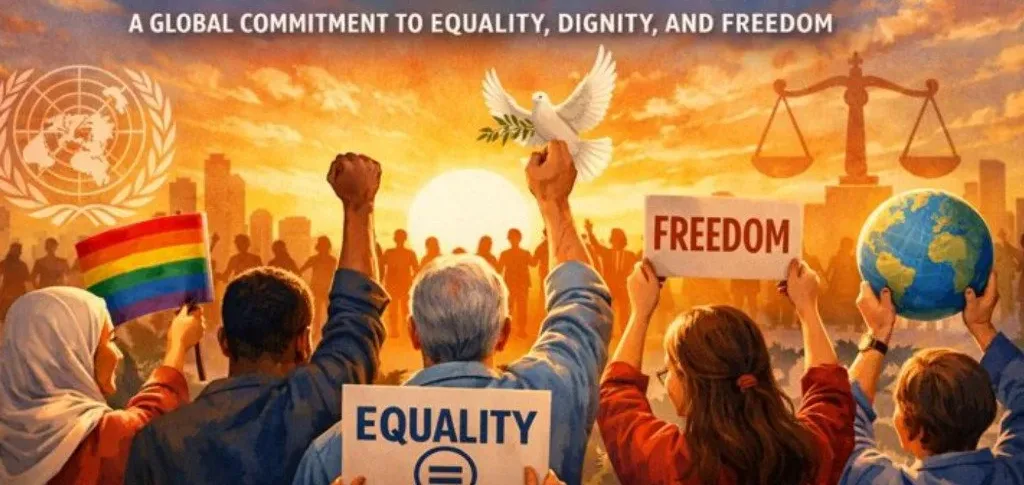
The Responsibility to Protect (R2P) doctrine adopted by United Nations says that the global community must act when a country fails to protect its people from serious crimes such as:
- Genocide
- War crimes
- Crimes against humanity
This shows how ethics supports global justice.
2. Guiding Foreign Policy Decisions
Ethics influences how countries make foreign policy decisions. These decisions include:
- Trade partnerships
- Military actions
- Diplomatic relations
- Environmental commitments
For example, when countries consider military intervention in another nation, ethical questions arise:
- Is the intervention for humanitarian help?
- Or is it for political gain?
Examples such as the Kosovo War intervention and the Iraq War raised serious ethical debates about whether such actions were justified.
3. Promoting Peace and Diplomacy
Ethics encourages peaceful solutions instead of violence. Ethical diplomacy supports:
- Mutual respect
- Dialogue
- Negotiation
- Conflict resolution
Countries that follow ethical diplomacy try to solve disputes through talks rather than war. Peace is essential for development and global stability.
Without ethics, international politics may become a struggle of pure power.
4. Strengthening International Law and Institutions
Many global institutions are based on ethical values like justice and equality.
Examples include:
- International Criminal Court (ICC)
- World Trade Organization (WTO)
- United Nations (UN)
These institutions help ensure countries follow agreed rules.
The Geneva Conventions are another important example. They provide ethical guidelines for protecting civilians and prisoners during war.
Such laws make countries more accountable for their actions.
5. Environmental Protection and Sustainability
Climate change has made environmental ethics a major global issue.
Every country shares responsibility for protecting the planet. Ethical international relations means nations should work together to reduce pollution and protect natural resources.
The Paris Agreement is a major global step toward climate action. It encourages countries to reduce greenhouse gas emissions.
Ethics reminds nations that economic growth should not harm future generations.
6. Solving Global Ethical Dilemmas
Global governance often involves difficult moral choices.
Examples include:
| Ethical Conflict | Challenge |
|---|---|
| Sovereignty vs Human Rights | Should outside countries intervene? |
| National Security vs Cooperation | Can countries trust each other? |
| Growth vs Environment | Development or sustainability? |
A good example was the Covid-19 vaccine distribution debate. Rich countries secured vaccines early, while many poor nations struggled. This raised questions about fairness and equal access.
Major Ethical Theories in International Relations
Different theories explain how countries behave.
1. Realism
Realism is one of the oldest theories in international relations.
It says the world has no central authority to control all nations. Because of this, every country must protect itself.
Main ideas of realism:
- Survival comes first
- Security is the main goal
- Power helps protect national interests
Realists believe countries act mainly to ensure their own safety.
2. Idealism
Idealism focuses on moral values and cooperation.
Idealists believe countries should follow ethical principles such as:
- Justice
- Peace
- Respect for agreements
- Human rights
They believe peace is possible if nations cooperate and follow shared rules.
Main ideas:
- Moral standards matter
- Cooperation reduces conflict
- International peace is achievable
3. Neorealism
Neorealism is a modern version of realism developed by Kenneth Waltz.
It says state behavior is shaped mainly by the structure of the international system.
Key ideas:
- The global system is anarchic
- Countries prioritize survival
- Power is used for security
Unlike classical realism, neorealism sees power as a tool, not the final goal.
4. Neoliberalism
Neoliberalism highlights cooperation and institutions.
It argues that global institutions help countries work together peacefully.
Examples:
- Trade agreements
- Global organizations
- Diplomatic treaties
Supporters believe democracies and institutions reduce conflict.
Main points:
- Institutions promote cooperation
- Mutual benefits reduce tensions
- Peace grows through global engagement
5. Postmodernism
Postmodernism questions traditional ideas in international relations.
It argues that many global systems reflect the interests of powerful groups.
Key beliefs:
- Absolute truth is difficult to define
- Knowledge can be subjective
- Power influences global narratives
This theory encourages critical thinking about international systems.
6. Feminism
Feminist theory brings gender into international relations.
It argues traditional IR often ignores women’s experiences and focuses too much on power struggles dominated by men.
Main ideas:
- Global politics includes gender power structures
- Women’s perspectives matter
- Equality improves global governance
Feminist scholars help broaden understanding of peace, conflict, and justice.
Key Sources of International Ethics
International Law
Treaties, conventions, and agreements guide ethical conduct among nations.
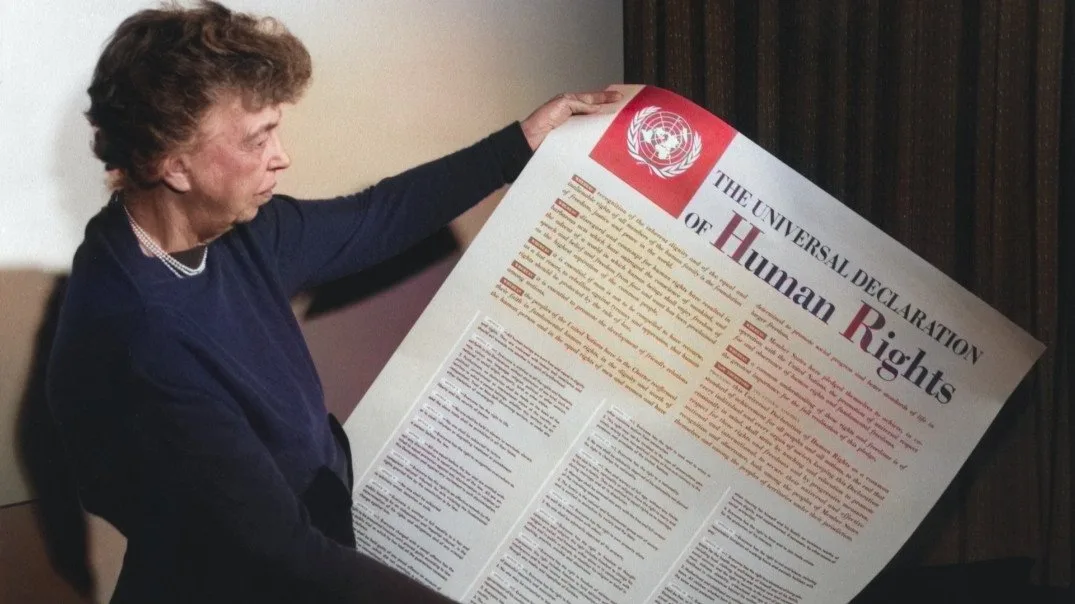
The Universal Declaration of Human Rights (UDHR) is one of the most important documents. It outlines basic rights and freedoms for all humans.
Universal Moral Principles
Some ethical values are accepted across cultures:
- Human dignity
- Equality
- Non-discrimination
- Justice
These values form the base of global ethics.
Religious and Philosophical Traditions
Religious and philosophical teachings also influence global ethics.
Examples:
- Just War Theory
- Non-violence (Ahimsa)
The idea of Ahimsa, strongly associated with Mahatma Gandhi, has influenced India’s peaceful approach in global diplomacy.
International Institutions
Organizations such as the United Nations play a major role in promoting ethical behavior.
The Sustainable Development Goals (SDGs) encourage nations to work on:
- Poverty reduction
- Education
- Gender equality
- Climate action
Public Opinion and Civil Society
Public pressure can influence governments.
Global campaigns for:
- Climate action
- Fair trade
- Human rights
often push leaders toward ethical decisions.
Academic Research
Scholars and researchers help develop ethical frameworks through studies and debates.
Universities and think tanks contribute ideas that shape diplomacy and governance.
Ethical Challenges in International Relations
Human Rights vs Cultural Relativism
A major challenge is whether human rights should be universal or adjusted according to culture.
Some nations argue global standards may not fit local traditions.
Balancing universal rights with cultural diversity remains difficult.
Sovereignty vs Intervention
Countries have the right to control their internal affairs.
But what if serious human rights violations occur?
This creates a moral conflict between:
- Respecting sovereignty
- Protecting people from violence
War and Peace
War creates difficult ethical questions.
The Just War Theory suggests war should meet conditions such as:
- Legitimate reason
- Limited force
- Civilian protection
However, political interests often complicate justice.
Global Inequality
Rich countries have more resources and influence than poor countries.
This creates inequality in:
- Trade
- Development
- Technology
- Finance
Ethically, developed nations should support developing countries through fair policies and aid.
Environmental Responsibility
Developed countries historically contributed more to climate change.
This raises important ethical questions:
- Who should pay for climate damage?
- Who should reduce emissions faster?
Poor countries often suffer more despite contributing less.
Migration and Refugees
Conflicts, disasters, and climate change force millions to leave their homes.
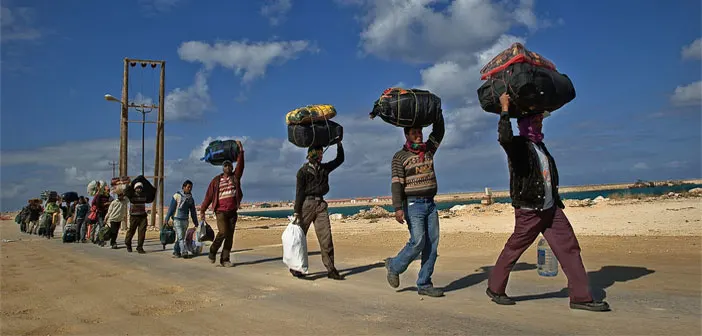
Countries face ethical challenges in balancing:
- National security
- Refugee protection
- Humanitarian responsibility
Humane policies are essential.
Power Imbalance in Global Governance
Many global institutions give stronger influence to powerful nations.
Smaller countries often struggle to have equal representation.
This creates concerns about:
- Fairness
- Legitimacy
- Equal voice
Way Forward
To improve ethics in international relations, the world must take practical steps.
Strengthen Human Rights Protection
Promote dialogue between cultures while protecting basic universal rights.
Improve Humanitarian Intervention Rules
Intervention should follow clear international standards with proper oversight.
Reform Global Institutions
Global organizations should become more democratic and inclusive.
Reduce Global Inequality
Fair trade, debt relief, and development support are necessary.
Address Climate Justice
Developed nations should take greater responsibility for emissions and climate financing.
Support Refugees
Countries should create humane immigration systems and share responsibilities fairly.
Encourage South-South Cooperation
Developing countries can strengthen cooperation and increase their voice in global governance.
Ethics in international relations is no longer optional. In today’s interconnected world, ethical values are necessary for peace, justice, sustainability, and human dignity. When countries act responsibly and cooperatively, global governance becomes stronger and more fair for everyone.
FAQs
Q1. What is ethics in international relations?
Ethics in international relations refers to moral principles that guide how countries interact with each other.
Q2. Why is ethics important in global governance?
It promotes fairness, peace, accountability, and protection of human rights.
Q3. What is realism in international relations?
Realism is a theory that says countries mainly focus on survival, power, and security.
Q4. What are the main ethical challenges in international relations?
Major challenges include war, human rights, climate change, inequality, and migration.
Q5. How does ethics help India?
Ethical diplomacy helps India maintain peaceful relations, support global justice, and protect national interests.