


Women Solar Plant in Telangana: Women Take Charge of Clean Energy Growth

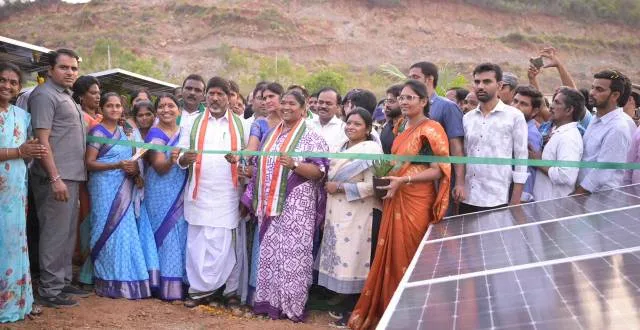
Women Solar Plant is making headlines across India as Telangana launched the country’s first solar power projects managed by women’s self-help groups. This important step connects clean energy production with women’s economic development and rural growth. The project was officially inaugurated on 27 May 2026 at Venkatapuram village in Errupalem Mandal of Khammam district under the Indira Mahila Shakti scheme.
The newly launched solar power plant has a capacity of 1 megawatt (MW) and represents a new model of community-led renewable energy development. Instead of being operated by private companies alone, the plant is managed by local women’s self-help groups, giving women a direct role in the energy sector.

First Women-Managed Solar Project in India
The Telangana government has described the initiative as a landmark achievement in renewable energy and women empowerment. The solar plant was developed at a cost of nearly ₹3 crore and is expected to generate clean electricity for the state’s power network.
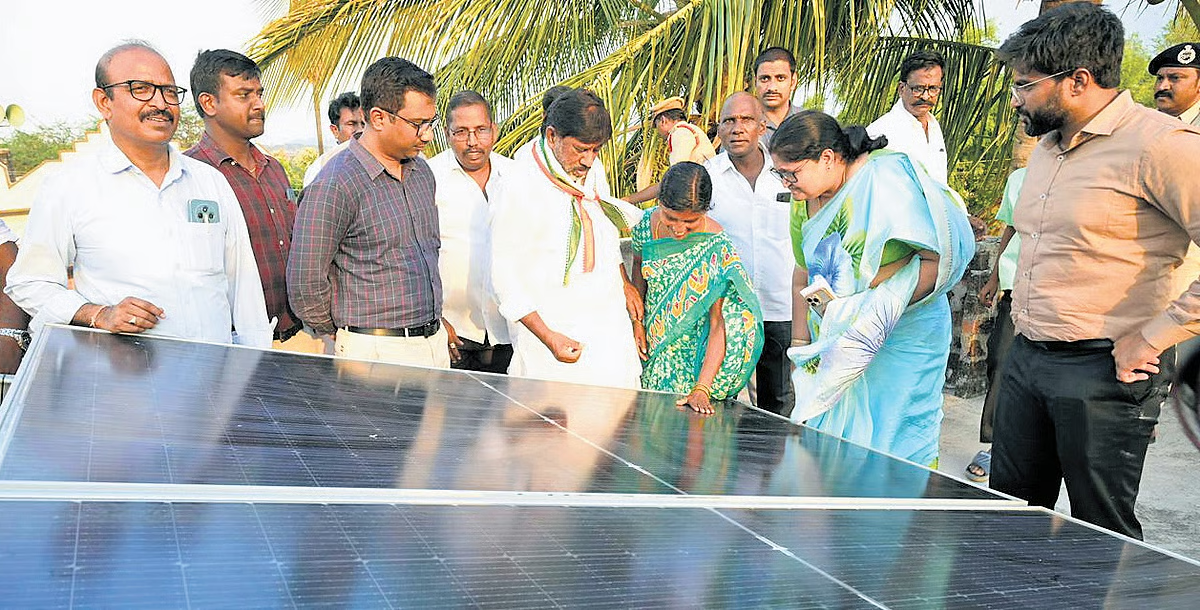
Women self-help groups have traditionally been involved in savings, credit activities, small businesses, and rural livelihood programs. With this project, they are entering a new sector that was previously dominated by large companies and technical organizations.
The initiative shows how rural women can participate in modern industries while contributing to environmental protection and sustainable development.
How the Solar Plant Works
Solar power is generated by converting sunlight into electricity through photovoltaic panels. The 1 MW plant installed in Khammam district captures solar energy during the day and supplies electricity to the power grid.
The electricity produced by the project will be purchased by state electricity distribution companies through a Power Purchase Agreement (PPA). Such agreements help ensure a steady income for the project operators and encourage investment in renewable energy.
Government support played a major role in making the project possible. Authorities provided land, subsidies, and power procurement arrangements to help women’s groups successfully manage the facility.
Income Opportunities for Women
One of the biggest benefits of the project is the income it can generate for participating women.
According to state estimates, the solar plant may earn between ₹14,000 and ₹15,000 per day. Monthly earnings could reach approximately ₹4.5 lakh to ₹5 lakh. This revenue can improve the financial condition of many families connected to the self-help groups.
The project also demonstrates how renewable energy can create new livelihood opportunities in rural areas. Instead of depending only on agriculture or small businesses, communities can now earn from clean energy production.
Boost for Self-Help Groups
Self-help groups have become an important part of rural development across India. These groups help women access financial services, start businesses, and improve their economic independence.
To strengthen these groups further, the Telangana government recently increased the interest-free loan limit from ₹5 lakh to ₹10 lakh. This move is expected to help women start larger projects and expand existing enterprises.
The success of the solar plant could encourage similar community-owned renewable energy projects in other parts of the country.
Telangana’s Renewable Energy Vision
Telangana has emerged as one of India’s leading states in renewable energy development. The state government has announced an ambitious target of producing 20,000 MW of solar power by 2030.
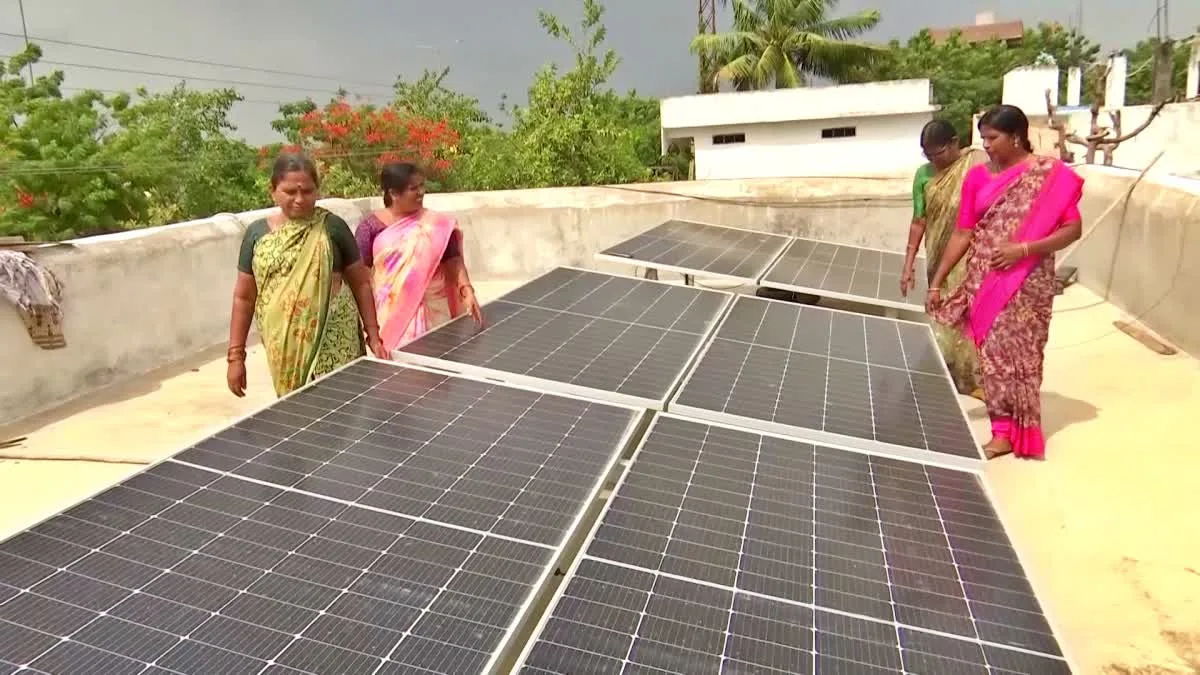
To achieve this goal, new solar projects are being planned in several districts. Officials have also expressed interest in establishing women-led solar plants across the state based on the Khammam model.
This approach supports two major national priorities at the same time clean energy expansion and women empowerment.
Growing Importance of Solar Energy in India
India continues to expand its renewable energy sector as part of its efforts to reduce carbon emissions and strengthen energy security. Solar power has become one of the fastest-growing sources of electricity in the country.
Large-scale solar parks, rooftop installations, and community-based projects are helping increase solar capacity every year. The Telangana initiative adds a new dimension by showing how local communities can directly participate in the clean energy transition.
As climate concerns and energy demand continue to rise, such innovative projects may become increasingly important for sustainable development.
A Model for Other States
The women-led solar power plant in Khammam offers a practical example of how renewable energy projects can create social and economic benefits. It combines environmental responsibility with financial opportunities for rural women.
Several states are now exploring ways to involve communities in renewable energy generation. If the Telangana model proves successful, similar projects could be introduced in other regions, creating new jobs and strengthening local economies.
The initiative highlights how clean energy can be more than just electricity production. It can also become a tool for community development, financial inclusion, and long-term sustainable growth.
As India continues to invest in renewable energy, projects like this may help shape the future of both the power sector and rural development.