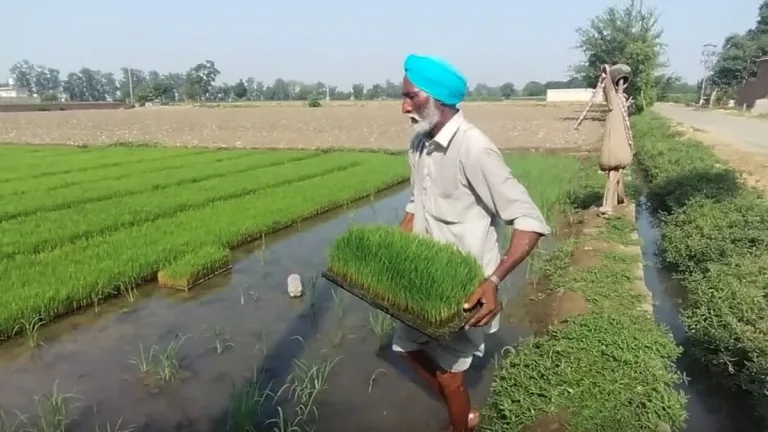




Assam Farmers Registry Expands to Tea Growers

Assam Farmers Registry is now expanding its reach as the state government takes a major step toward digital agriculture by including tea and plantation landholdings in its official database. This move, announced on 26 June 2026, is expected to bring thousands of small tea growers into the formal system, allowing them to access government services more easily and transparently. The update reflects how technology is increasingly being used in India to improve rural livelihoods and simplify access to welfare schemes.
Thank you for reading this post, don't forget to subscribe!Digital Shift in Agriculture Assam Farmers Registry
The Farmers’ Registry Portal is designed as a central platform where farmer details, land ownership records, and eligibility for schemes are recorded. With tea plantations now included, small tea growers—who were often outside formal agricultural systems—can now register themselves and receive a unique Farmer ID.
This digital shift is part of a larger trend across India, where states are building integrated databases to improve service delivery. By linking land records with identity systems, governments are aiming to reduce paperwork, delays, and errors in distributing benefits.
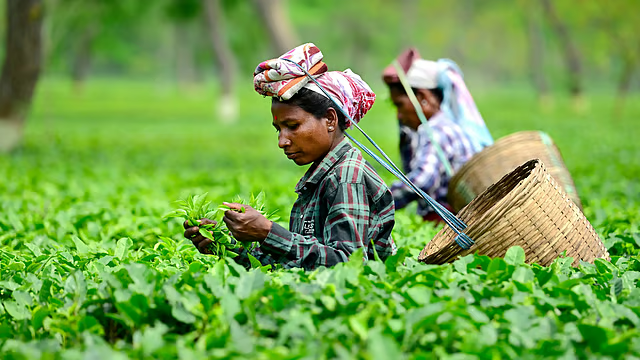
Support for Small Tea Growers
Tea is one of the most important crops in Assam, and the state plays a major role in India’s tea production. However, many small tea growers have traditionally faced challenges such as limited access to credit, lack of formal recognition, and dependency on middlemen.
With their inclusion in the Farmers’ Registry, these growers can now directly connect with government programs. This includes access to fertilisers, subsidies, and financial assistance schemes. It also helps them receive payments through Direct Benefit Transfer (DBT), ensuring money reaches them without delays or leakages.
This change is especially important at a time when farmers across the country are looking for stable incomes and better market access.
Assam Farmers Registry is becoming a key part of digital agriculture in the state, as it now includes tea landholdings to support small growers. With this update, farmers can register easily, get a unique Farmer ID, and access benefits like subsidies, credit, and welfare schemes. The platform also helps improve transparency in land records and ensures faster delivery of government services. By bringing tea growers into the system, Assam Farmers Registry is strengthening rural support and promoting better opportunities for farmers.
Better Access to Financial Services
One of the key benefits of this initiative is improved access to institutional credit. Small tea growers often rely on informal lenders who charge high interest rates. By being part of the official registry, they can now apply for loans from banks and financial institutions more easily.
The system also helps verify farmer details quickly, making the loan approval process faster. This can encourage more farmers to invest in better farming techniques, equipment, and plantation management.
Transparency in Land Records
The inclusion of tea plantation land in digital records is also a step toward better governance. Land records have long been a complex issue in many parts of India, with outdated data and unclear ownership patterns.
By digitising these records, the government aims to improve transparency and reduce disputes. Farmers can now have clearer proof of their land ownership, which is important not just for accessing schemes but also for long-term security.
This move aligns with broader efforts in India to modernise land management systems using technology.
Linking Welfare and Technology
The integration of tea growers into the registry is closely connected with welfare delivery. Once registered, farmers can automatically be considered for various government schemes without needing to apply separately each time.
This reduces the burden on farmers and ensures that benefits reach the right people. It also allows authorities to track how schemes are performing and make improvements where needed.
With digital platforms becoming more common, such systems are expected to play a bigger role in rural development.
Focus on Tea Garden Communities
Alongside this update, Assam has also taken steps to improve land rights for tea garden workers. Earlier in 2026, the state announced land ownership rights for over 3.5 lakh tea garden worker families under a revised land law.
This initiative aims to provide long-term security to workers who have lived and worked in tea gardens for generations. By giving them legal rights over land, the government is addressing a long-standing issue in the region.
The inclusion of tea land in the Farmers’ Registry complements this effort by bringing both growers and workers into a structured system.
Growing Importance of Digital Agriculture
Across India, digital agriculture is becoming an important focus area. From mobile apps to satellite mapping, new technologies are helping farmers make better decisions and connect with markets.
Assam’s move to include tea growers in its digital registry shows how states are adapting to this change. It also highlights the importance of including all types of farmers, not just those growing traditional crops.
As climate challenges and market changes continue to affect agriculture, such digital tools can help farmers stay informed and resilient.
What This Means for the Future
The expansion of the Farmers’ Registry to include tea plantations is more than just a technical update. It represents a shift toward inclusive and technology-driven governance in agriculture.
By recognising small tea growers and integrating them into the system, Assam is creating new opportunities for growth and support in the sector. It also sets an example for other states to follow, especially those with plantation-based economies.
As more farmers join the digital network, the overall system becomes stronger, making it easier to deliver services, track progress, and respond to challenges in real time.