


Raghava Varier Wins Memorial Award

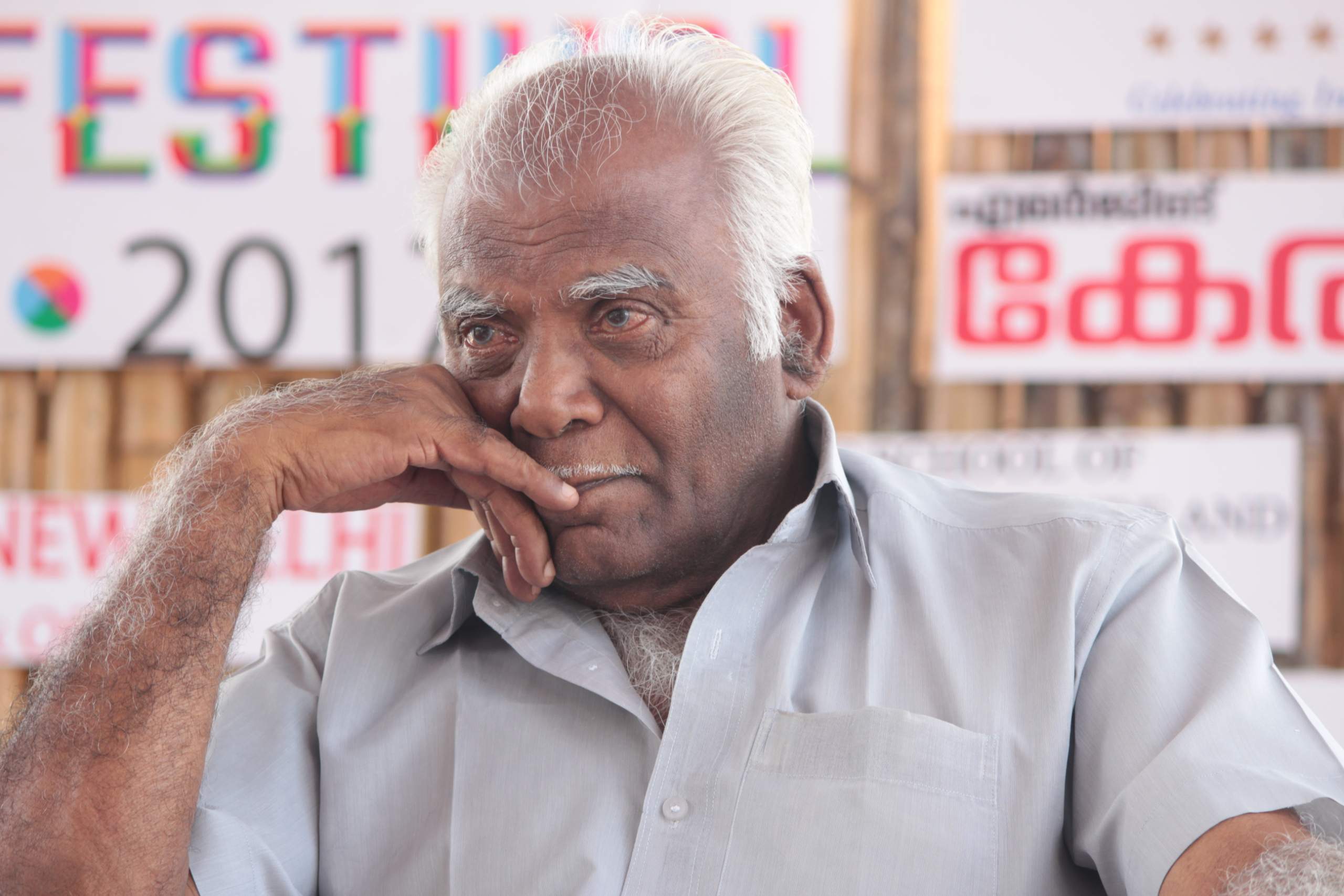
Raghava Varier, a noted historian and scholar, has been selected for the 2026 Prof. M.G.S. Narayanan Memorial Award in recognition of his contributions to linguistics, palaeography and literary criticism. The award was jointly established by the Kerala History Congress and the Calicut Heritage Forum. It carries a cash prize of ₹50,000 along with a citation. According to the announcement, the award will be presented during the 10th International Kerala History Conference, scheduled from 27 to 29 November 2026 at Government College in Malappuram, Kerala.
Raghava Varier Selected for the 2026 Memorial Award
M.R. Raghava Varier has been chosen for the Prof. M.G.S. Narayanan Memorial Award for his academic work in fields connected with history, language and literature. His research and scholarship have contributed to the study and understanding of historical sources and literary traditions.

The award recognises scholars whose work helps develop knowledge and encourages further research. By selecting Varier, the organisers have highlighted the importance of studying historical records, the development of languages and the interpretation of literary works.
The award includes ₹50,000 and a formal citation. A citation is a written statement that recognises a person’s achievements and explains the reason for receiving an honour.
The award is named after historian M.G.S. Narayanan, whose name is associated with historical scholarship in Kerala. The memorial award connects the recognition of academic work with the wider effort to promote research into Kerala’s history and cultural heritage.
Organisations Behind the M.G.S. Narayanan Memorial Award
The Prof. M.G.S. Narayanan Memorial Award was jointly instituted by the Kerala History Congress and the Calicut Heritage Forum. Both organisations are associated with activities that promote interest in history and heritage.
The Kerala History Congress provides a platform for historians and researchers to discuss historical topics, share findings and encourage academic debate. History conferences can help scholars present research, examine historical evidence and exchange ideas about different periods and communities.
The Calicut Heritage Forum is the other co-instituting organisation named in the award announcement. Heritage-related work can include the study, documentation and promotion of historical places, traditions, records and cultural practices.
By jointly establishing the award, the two organisations have created a form of recognition for academic contributions. Awards of this kind can also encourage younger researchers to study historical sources and explore new questions about the past.
Raghava Varier’s Academic Background
Raghava Varier is a former faculty member of the Department of History at the University of Calicut in Kerala. His academic interests include linguistics, palaeography and literary criticism, which are useful fields for understanding the development of societies and their written records.
Historians often depend on written documents, inscriptions, manuscripts and literary works to learn about earlier periods. Studying these sources requires more than reading the words on a page. Researchers must also understand the language, writing system, historical setting and purpose of the material.
Varier’s areas of work bring together several methods that help scholars examine historical evidence. These fields are especially relevant when researchers study old manuscripts, changing languages and literary traditions.
His selection for the memorial award recognises his work across these related areas of scholarship.
What Is Linguistics?
Linguistics is the systematic study of language. It examines how languages are formed, how people use them and how they change over time.
The field includes the study of sounds, words, sentence structure, meaning and language in society. Linguists may also investigate how languages develop from earlier forms and how different languages influence one another.
Language is an important source of information for historians. Changes in words, grammar and writing can provide clues about contact between communities, migration, trade and cultural exchange.
In a region such as Kerala, the study of language can also help researchers understand the development of Malayalam and its relationship with other languages and literary traditions. Linguistic research therefore contributes to both language studies and historical research.
Understanding Palaeography and Ancient Manuscripts
Palaeography is the study of ancient handwriting and historical scripts. It helps researchers identify, read and understand documents written in older forms of writing.
Over time, scripts change in shape and style. Letters may look different from their modern forms, while writing materials and methods can vary across periods. A palaeographer studies these features to help identify when and where a document may have been written.
This field is important because manuscripts and old documents can contain information about political events, administration, religious practices, literature and everyday life.
Researchers may compare handwriting, script forms and other features to understand a document’s age and historical setting. Such work can help make difficult historical sources more useful to scholars.
Palaeography also supports the preservation of written heritage. Careful study and documentation can help ensure that valuable manuscripts are read, interpreted and protected for future generations.
The Role of Literary Criticism
Literary criticism involves the analysis and interpretation of literary works. It helps readers understand a text’s themes, style, structure, language and historical background.
A literary critic may examine poetry, novels, plays, stories or other forms of writing. The analysis can explore how an author presents ideas, describes society or responds to the cultural conditions of a particular period.
Literary criticism is also useful for historical research. Literary works can provide information about social relationships, beliefs, customs and changes in public life. However, researchers must consider the purpose and context of a text rather than treating every literary description as a direct historical record.
Together with linguistics and palaeography, literary criticism offers different ways to understand written materials and the societies that produced them.
Previous Awards and Recognition
According to the announcement, Raghava Varier has previously received the Kerala Sahitya Akademi Award and the Kairali Award instituted by the Keralam government.
The Kerala Sahitya Akademi is an institution that works to promote Malayalam language and literature. Its activities support literary development and recognise contributions to writing and related fields.
Recognition from literary and academic institutions can help bring attention to research and scholarship. It also highlights the value of preserving regional languages, studying historical records and examining literary traditions.
Varier’s selection for the 2026 M.G.S. Narayanan Memorial Award adds another honour to his academic recognition.
10th International Kerala History Conference in Malappuram
The award is scheduled to be presented at the 10th International Kerala History Conference, which will take place from 27 to 29 November 2026 at Government College, Malappuram, Kerala.
The conference will provide a setting for the presentation of the award and discussions related to Kerala’s history. Historical conferences generally bring together researchers, teachers and scholars to share their work and discuss different interpretations of the past.
Malappuram is a district in Kerala, a state with a rich history of trade, literature, political change and cultural exchange. Academic events held in the state offer opportunities to discuss historical sources and encourage further study.
The presentation of the M.G.S. Narayanan Memorial Award during the conference links the recognition of Varier’s work with a wider gathering devoted to historical scholarship. It also draws attention to the continuing role of historians and researchers in studying language, manuscripts, literature and cultural heritage.