Alzheimer’s Blood Test Protein Shows Early Detection Breakthrough

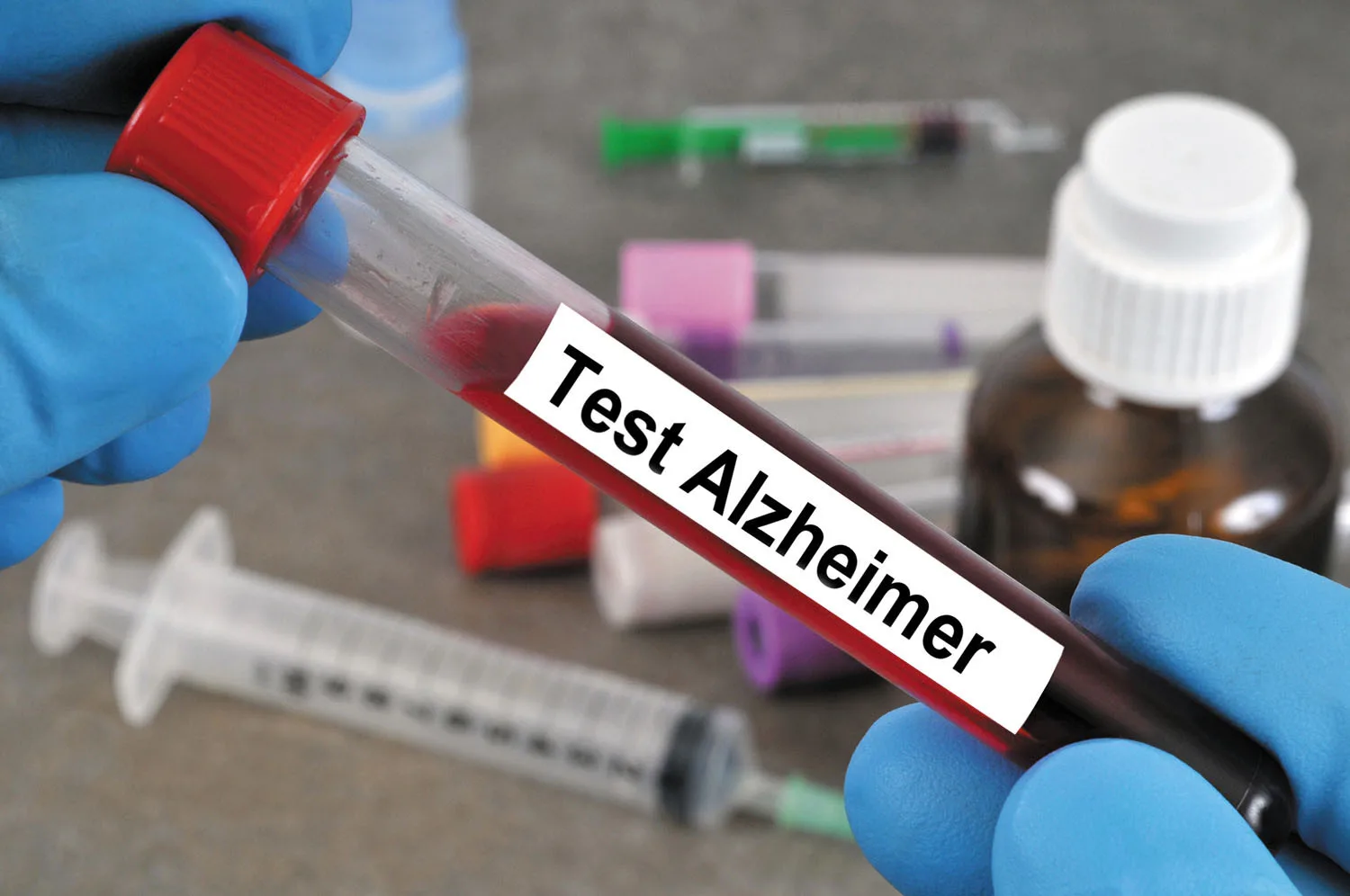
Alzheimer’s Blood Test Protein is gaining attention as a new and simple way to detect Alzheimer’s disease at an early stage. A recent study published in Nature Aging reveals that changes in protein structure in the blood may help identify the disease much earlier than current methods.
Thank you for reading this post, don't forget to subscribe!New Way to Detect Alzheimer’s
This new blood test does not look for the amount of proteins. Instead, it studies how proteins fold in the blood. Researchers tested more than 500 people and found clear differences in protein structure between healthy individuals and those with memory problems.
This approach is different from traditional methods that focus on brain changes like plaques and tangles. It offers a less invasive and more accessible way to detect the disease.

Understanding Protein Folding
The study focuses on a concept called Proteostasis. This system helps the body keep proteins in the correct shape. As people age, this system becomes weaker, leading to misfolded proteins. These damaged proteins are linked to brain diseases.
Alzheimer’s Blood Test Protein Markers
Scientists found three important proteins linked to the disease:
- C1QA – supports immune response
- Clusterin – helps in protein folding and clearing harmful deposits
- Apolipoprotein B – involved in fat transport and blood health
Changes in the structure of these proteins were strongly connected to different stages of Alzheimer’s.
Role of Machine Learning
The study also used Machine Learning to analyze data. This technology helped researchers find patterns and accurately separate healthy people from those with mild cognitive issues and Alzheimer’s patients.
Why This Matters
This new method could help doctors detect Alzheimer’s much earlier than before. Early detection means better chances for treatment and care. It may also improve research by allowing scientists to study the disease in its early stages.