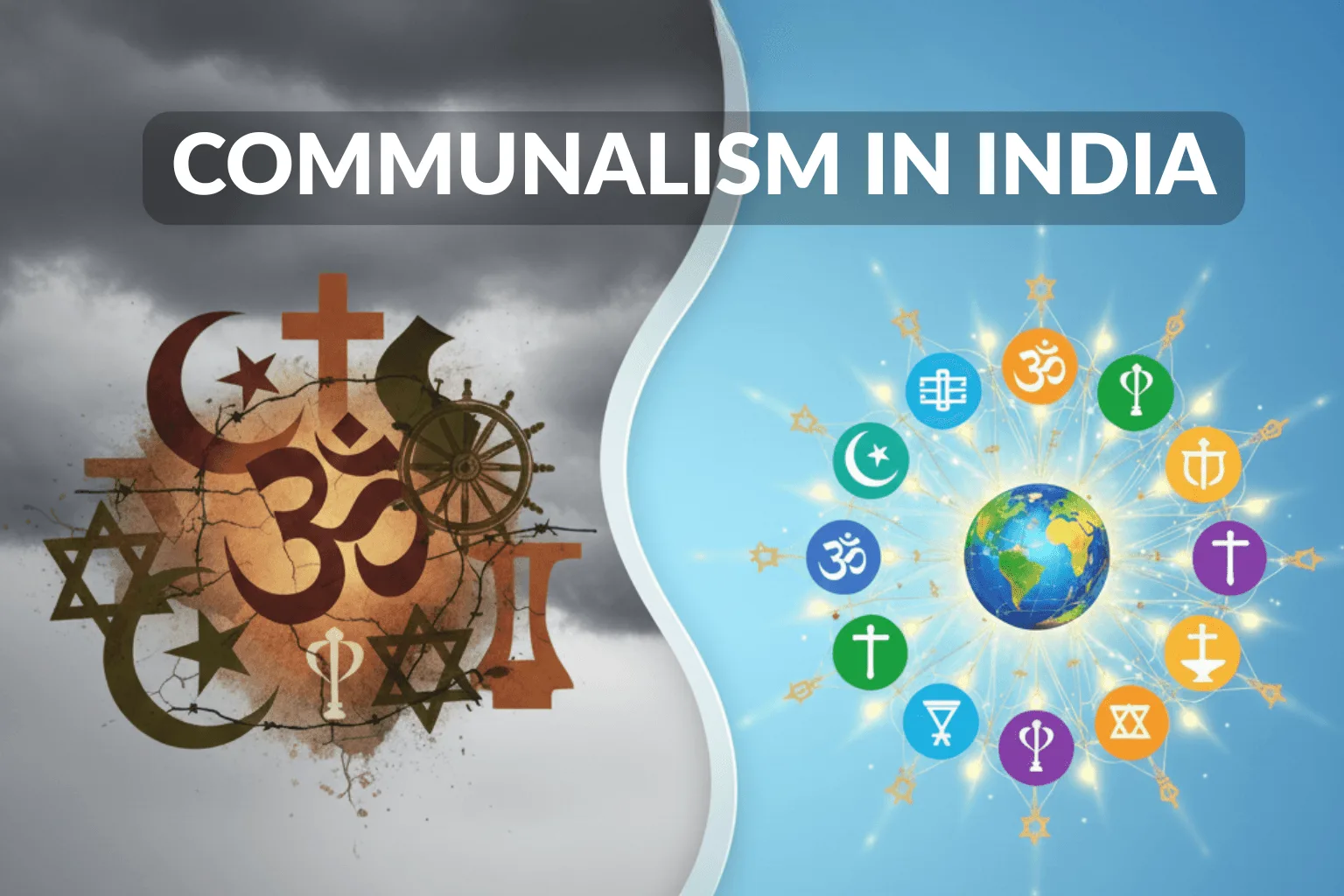
Communalism in India – Meaning, Causes, Effects and Solutions

Communalism is an important topic in Indian society and politics. The word communalism comes from the word “community.” In a simple sense, communalism means a strong attachment or loyalty to one’s own community, especially a religious community.
Thank you for reading this post, don't forget to subscribe!In India, communalism is usually understood in a negative way. It refers to an unhealthy attachment to one’s own religion and hatred or dislike for other religions. Instead of promoting unity, it creates division among people.
Communalism is not just about religion. It is an ideology that tries to unite people of one community by ignoring differences within the group and focusing on differences with other communities. This often leads to intolerance, misunderstanding, and sometimes violence.
Meaning and Nature of Communalism
Communalism has both positive and negative aspects:
Positive Aspect
- It shows love and care for one’s own community
- It encourages people to work for the social and economic development of their group
- It can help preserve culture, traditions, and identity
Negative Aspect
- It promotes hatred towards other communities
- It creates division in society
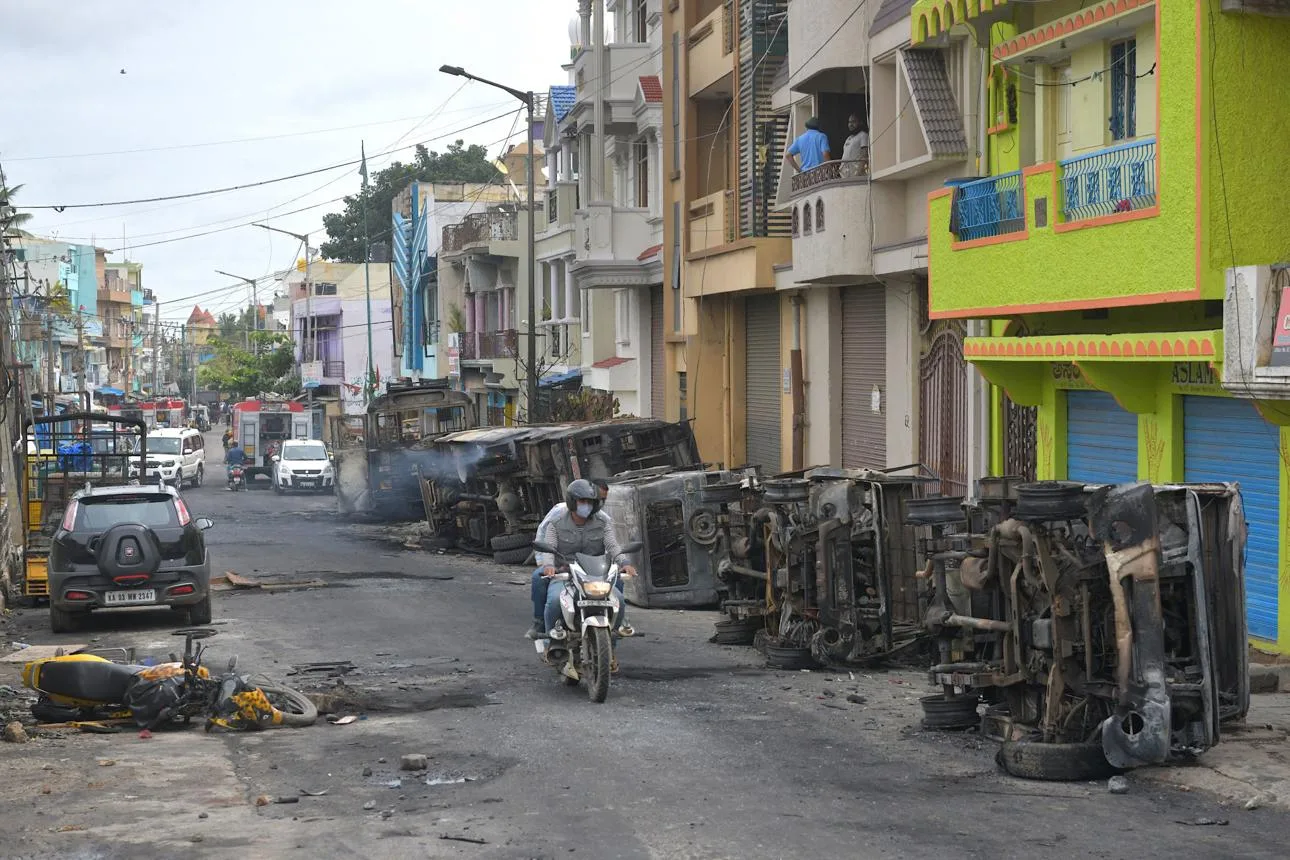
- It leads to violence and conflicts
- It puts community interest above national interest
In reality, communalism becomes dangerous when it starts harming others in the name of religion.
Communalism in India: Historical Background
India is a land of great diversity. People of different religions, languages, and cultures have lived together for centuries. However, communalism developed slowly over time.
Ancient India
- People of different religions lived peacefully
- Teachings of Gautama Buddha promoted peace and tolerance
- Emperor Ashoka followed a policy of religious harmony
There was no strong communal feeling during this time.
Medieval India
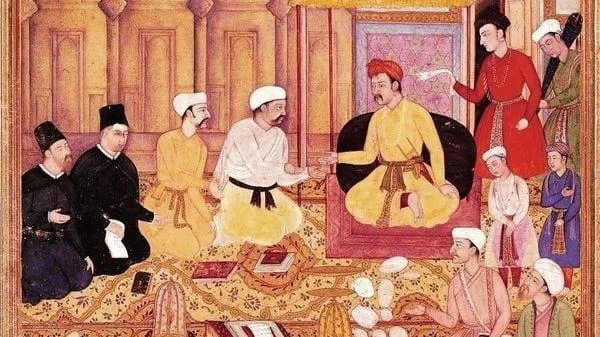
- Islam came to India with new rulers
- Some rulers like Akbar promoted religious tolerance
- Others like Aurangzeb were less tolerant
Even then, religion was important, but communal politics was not strong.
Modern India (British Period)
Communalism became a major issue during British rule.
- British followed the policy of “Divide and Rule”
- They created divisions between Hindus and Muslims
- Separate electorates increased differences
- Religious identity became more political
This period laid the foundation for modern communalism.
Causes of Communalism in India
There are many reasons behind the rise of communalism:
1. British Policy of Divide and Rule
The British divided people based on religion to control India easily. This created mistrust between communities.
2. Economic Problems
- Poverty and unemployment increase frustration
- People become easy targets for communal leaders
- Economic competition between groups creates conflict
3. Lack of Education
- People do not understand the real meaning of religion
- They believe rumors and false information
4. Distorted History
- History is sometimes taught in a biased way
- One community is shown as enemy of another
5. Role of Political Parties
- Some leaders use religion to gain votes
- They spread fear and hatred
6. Religious Fundamentalism
- Some groups follow extreme religious ideas
- They do not accept other religions
7. Social and Cultural Differences
- Differences in language, food, dress, and customs
- Lack of interaction increases misunderstanding
Major Incidents of Communal Violence in India
India has witnessed many communal riots after independence:
1. Partition of India (1947)
- One of the worst communal events
- Millions of people were killed and displaced
2. Jabalpur Riots (1961)
- Caused by economic rivalry
3. Ahmedabad Riots (1969)
- Large-scale violence between communities
4. Nellie Massacre (1983)
- Took place in Assam
- Thousands of people were killed
5. Anti-Sikh Riots (1984)
- Happened after the assassination of Indira Gandhi
- Thousands of Sikhs were killed
6. Babri Masjid Demolition (1992)
- Led to nationwide riots
7. Gujarat Riots (2002)
- Triggered by Godhra train incident
8. Muzaffarnagar Riots (2013)
- One of the worst in recent times
9. Mob Lynching (After 2015)
- Spread through rumors and social media
- Created fear and division
Factors Responsible for Communal Violence
Communal violence does not happen suddenly. It develops due to many social, political, economic, and psychological reasons. Below is a detailed explanation of the major factors responsible for communal violence in India:
1. Divisive Politics
Communalism is often used as a political tool. Some political leaders and parties use religion and cultural differences to gain votes and power.
- They create fear among communities
- They highlight differences instead of unity
- Religious identity is used to influence elections
This type of politics divides people and increases communal tension.
2. Economic Causes (Economic Inequality)
Economic problems play a big role in communal violence.
- Uneven development creates rich and poor divisions
- Poverty and unemployment make people insecure
- Poor people are easily influenced by rumors and leaders
Economic competition between communities, especially among lower and middle classes, increases tension and leads to conflict.
3. History of Communal Riots
The past history of a place also matters.
- Areas where riots have already happened are more sensitive
- Old conflicts create long-term mistrust
- Small issues can quickly turn into big violence
Thus, history increases the chances of repeated communal clashes.
4. Politics of Appeasement
Sometimes political parties take decisions to please a particular community for votes.
- Policies are made for political gain, not justice
- This creates anger in other communities
- It increases feelings of discrimination
Such actions often lead to communal unrest and violence.
5. Isolation and Economic Backwardness of Muslim Community
One important factor discussed in Indian society is the backwardness of some minority communities, especially Muslims.
- Lack of access to modern education and technology
- Low representation in government jobs, business, and industry
- Feeling of neglect and deprivation
This situation creates frustration and increases communal feelings.
6. Administrative Failure
Weak administration is a major cause of communal violence.
- Poor law and order system
- Delay in police action
- Lack of strict punishment
When authorities fail to act quickly, violence spreads easily.
7. Psychological Factors
Human emotions and thinking also play a role.
- Lack of trust between communities
- Fear and misunderstanding
- Feeling of threat from other groups
These emotions create hatred, anger, and sometimes violence.
8. Role of Media
Media has a powerful influence on society.
- Sometimes media shows sensational news to gain attention
- Rumors are spread as real news
- This increases tension between communities
Role of Social Media
- Social media spreads information very fast
- Fake news and rumors can go viral quickly
- People react without checking facts
This has led to what is called “manufactured communal violence”, where conflicts are created through misinformation and online propaganda.
Impact of Communalism on Society
Communalism has serious effects:
1. Loss of Life and Property
- Many people die in riots
- Homes and shops are destroyed
2. Social Division
- Communities stop trusting each other
3. Economic Loss
- Business activities stop
- Development slows down
4. Political Instability
- Government faces pressure
5. Psychological Impact
- Fear and trauma among people
Measures to Deal with Communalism
1. Strong Law and Order
- Strict punishment for those involved in violence
- Fast and speedy court trials to ensure justice
- Reform in the criminal justice system to make it more effective
- Adequate compensation to victims can act as a strong deterrent
2. Police Reforms
- Proper training of police forces to handle communal riots
- Special training in human rights and use of force as per international standards like UN code of conduct
- Increase representation of minority communities and weaker sections in law enforcement
- Creation of specialised investigating and prosecuting agencies for communal cases
3. Education and Awareness
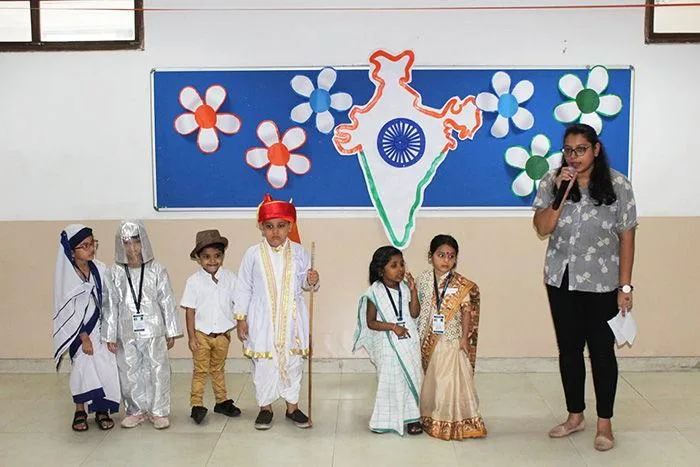
- Promote value-based education focusing on peace, non-violence, compassion, secularism, and humanism
- Develop scientific temper and rational thinking among students (as a fundamental duty)
- Awareness programs in schools, colleges, and universities to prevent communal thinking
4. Role of Government
- Fair and effective implementation of welfare schemes
- Launch and properly implement minority welfare schemes to reduce discrimination in jobs, housing, and daily life
- Reduce economic inequality and social injustice
5. Role of Media
- Avoid spreading fake news, rumors, and sensational content
- Promote positive stories of unity and harmony
- Responsible use of social media to prevent tension
6. Use of Technology
- Monitor hate speech and misinformation on social media
- Develop early-warning systems to detect and prevent communal violence
- Learn from countries like Malaysia, which uses systems like Mesra (Ethnic Relations Monitoring System) to track social harmony using quality of life and perception indexes
7. Community Participation
- NGOs and civil society should actively promote communal harmony
- Encourage community dialogue and cooperation
- Support programs that build trust among different religious groups
8. Institutional Efforts
- The National Foundation for Communal Harmony plays an important role
- It provides help for physical and psychological rehabilitation of victims, especially children
- It promotes unity, brotherhood, and national integration
- India can also learn from places like Hong Kong, where a “Race Relations Unit (RRU)” works to promote racial harmony, handle complaints, and spread awareness through education
9. Legal Measures
- A strong law is needed to control communal violence
- The Communal Violence (Prevention, Control and Rehabilitation of Victims) Bill, 2005 should be implemented
- Proper enforcement of laws and policies is necessary to ensure justice
Role of Education in Reducing Communalism
Education plays a very important role:
- Teaches respect for all religions
- Promotes critical thinking
- Reduces blind beliefs
- Encourages unity in diversity
Schools and colleges should focus on moral values and national integration.
Way Forward
To reduce communalism in India:
- Promote unity in diversity
- Encourage dialogue between communities
- Strengthen democratic values
- Ensure equal opportunities for all
- Develop trust and understanding
India’s strength lies in its diversity. People must learn to live together peacefully.
FAQs on Communalism
Q1. What is communalism in simple words?
Communalism means strong loyalty to one’s religion along with hatred towards other religions.
Q2. What are the main causes of communalism?
Main causes include poverty, political misuse of religion, lack of education, and historical factors.
Q3. Why is communalism dangerous?
It creates division, violence, and weakens national unity.
Q4. How can communalism be reduced?
Through education, strict laws, awareness, and promoting harmony.
Q5. What is the role of media in communalism?
Media can either increase tension by spreading rumors or reduce it by promoting peace.