



Maharashtra Wildlife Reserves: 16 New Proposals Approved

Maharashtra Wildlife Reserves received a major boost on 26 October 2026, when the Maharashtra State Board for Wildlife approved proposals for two wildlife sanctuaries and 14 conservation reserves across seven districts. The decisions were taken during the Board’s 26th meeting, chaired by Maharashtra Chief Minister Devendra Fadnavis. The proposals aim to strengthen wildlife protection, conserve important forest areas and improve the management of protected habitats across the state.
The two wildlife sanctuary proposals concern the Kolamarka Conservation Reserve in Gadchiroli district and an expanded area adjoining the existing Tansa Wildlife Sanctuary. The 14 proposed conservation reserves cover areas in Pune, Raigad, Nashik, Nandurbar, Thane, Palghar and Chandrapur districts.

Two Wildlife Sanctuary Proposals Approved
The Maharashtra State Board for Wildlife approved a proposal to upgrade the Kolamarka Conservation Reserve in Gadchiroli district to a wildlife sanctuary. Kolamarka is known for its population of wild buffalo, making it an important area for wildlife conservation.
Wild buffalo are among the important wild animals found in India’s forest ecosystems. Protecting their habitats helps maintain biodiversity and supports the survival of wildlife populations. The proposed sanctuary status is intended to strengthen protection for the area and its natural environment.
The Board also approved a proposal to grant sanctuary status to an expanded area adjoining the existing Tansa Wildlife Sanctuary. The expansion includes 588.767 hectares of revenue and privately owned land from six villages: Ogda, Khodde, Tirmal, Pachghar, Phanasad and Amle.
The stated objective is to make the expanded sanctuary free of human habitation. The proposal forms part of protected-area planning for the Tansa region. Its implementation will depend on the applicable legal procedures and arrangements concerning the land and affected residents.
Fourteen Proposed Conservation Reserves Across Seven Districts
Along with the two sanctuary proposals, the Board approved 14 proposals to establish conservation reserves in seven districts. These areas cover different landscapes and locations, helping extend conservation planning beyond existing national parks and wildlife sanctuaries.
The proposed reserves include areas in the Western Ghats region, forested landscapes and other locations across Maharashtra. Their proposed locations are as follows:
- Pune district: Bhor-Girigad.
- Pune and Raigad districts: Velhe-Mulshi and Lonavala.
- Nashik district: Dindori, Surgana and Taharabad.
- Nandurbar district: Chinchpada.
- Raigad district: Alibag and Ghera Manikgad.
- Thane district: Gumtara.
- Palghar district: Jawhar, Asherigad and Dhamani.
- Chandrapur district: Ekara.
These are approved proposals for conservation reserves; they should not automatically be treated as fully notified protected areas. The formal establishment of each reserve depends on the relevant procedures and notifications.
Conservation reserves can help protect natural habitats, wildlife movement routes and landscapes that connect existing protected areas. They can also support coordinated planning for biodiversity protection at the district and regional levels.
What Is a Conservation Reserve?
A conservation reserve is a category of protected area under India’s wildlife protection framework. The Wildlife (Protection) Act, 1972, provides the main legal framework for protecting wild animals, birds and plants and for managing protected areas.
The statutory category of conservation reserve was introduced through an amendment to the Wildlife (Protection) Act in 2002. Conservation reserves can help protect government-owned land, particularly areas located near national parks and wildlife sanctuaries or connecting them.
Such areas are important because wildlife does not always remain within the boundaries of a single protected area. Animals may move between forests to find food, water, shelter and breeding grounds. Protecting these connecting landscapes can support wildlife movement and reduce the isolation of animal populations.
Conservation planning also needs to consider local communities and land use. Effective management requires coordination among forest authorities, local administrations and other stakeholders.
Critical Wildlife Habitats Approved in Two Sanctuaries
The Board also approved proposals to declare critical wildlife habitats in two protected areas.
The first covers 100.139 square kilometres within Koka Wildlife Sanctuary. The second covers 255.79 square kilometres within Jayakwadi Bird Wildlife Sanctuary.
Critical wildlife habitats are areas identified under the Scheduled Tribes and Other Traditional Forest Dwellers (Recognition of Forest Rights) Act, 2006, for the protection and conservation of wildlife. Their identification involves a specific legal process and is distinct from simply declaring an area a wildlife sanctuary.
These habitat proposals are intended to strengthen wildlife protection in the two locations. The process must follow the applicable legal requirements, including provisions concerning the rights of forest-dwelling communities.
Protecting important wildlife habitats can help preserve breeding areas, feeding grounds and other locations essential to the survival of different species. It can also support broader biodiversity conservation efforts.
Management of Routine Works in Wildlife Sanctuaries
The Maharashtra State Board for Wildlife discussed how routine public works should be handled in protected areas. It directed that standard operating procedures be prepared for such activities in line with applicable rules. The Board also decided that routine works, including dam repairs, rehabilitation and desilting, should be incorporated into sanctuary management plans. Necessary amendments to these plans were directed to be completed within three months. Management plans help guide activities within protected areas. They can identify conservation priorities, establish procedures for permitted work and explain how potential effects on wildlife should be addressed.
Clear procedures are important because some infrastructure and maintenance activities may be necessary, but they must be planned carefully to avoid unnecessary harm to natural habitats.
The Board also considered proposals related to infrastructure in protected areas, eco-sensitive zones and tiger corridors. These included roads, healthcare facilities and electricity lines. Such projects require consideration of applicable environmental and wildlife protection rules.
Tiger Reserves, Silence Zones and Village Rehabilitation
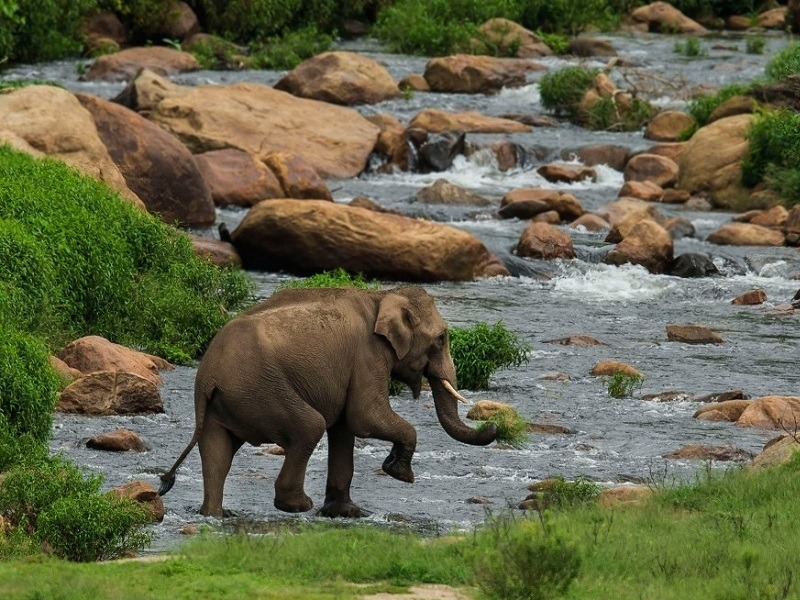
The meeting also addressed matters involving silence zones in tiger reserves and the rehabilitation of villages in buffer zones around tiger reserves.
Tiger reserves are areas managed to protect tigers and their habitats. Buffer zones surround core areas and can include forests and landscapes where conservation needs must be balanced with certain human activities.
Infrastructure, transport and development projects in or near tiger habitats can affect wildlife movement and increase disturbance. Careful planning helps authorities consider the needs of local communities while maintaining suitable habitats for tigers and other species.
Village rehabilitation in tiger-reserve buffer zones is a sensitive issue because it may affect people’s homes, livelihoods and access to resources. Such processes must follow the relevant legal framework and safeguards for affected communities.
The Board’s discussion of these subjects reflects the range of issues involved in managing protected areas, from habitat protection to public services and local development.
Importance of Maharashtra’s Wildlife Conservation Measures
The proposals approved on 26 October 2026 cover several parts of Maharashtra and include different types of conservation measures. These range from the proposed sanctuary status for Kolamarka and the expanded Tansa area to 14 proposed conservation reserves and two critical wildlife habitat proposals.
Together, these decisions are intended to strengthen the state’s approach to protecting forests, wildlife and important natural landscapes. Conservation reserves may also help connect habitats and support the movement of animals between protected areas.
The next steps involve the applicable legal procedures, notifications and management planning needed to put the proposals into effect. The protection achieved will depend on how the areas are formally designated, managed and monitored.
Maharashtra’s decisions highlight the importance of long-term planning, scientific wildlife management and coordination among government authorities to protect biodiversity while addressing the practical needs of people living in and around forest areas.