



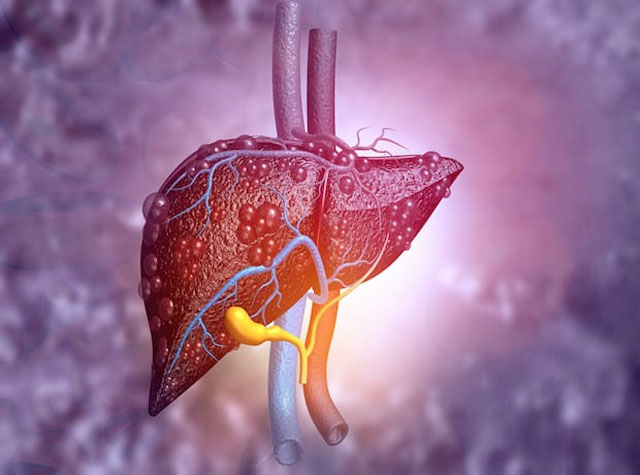
Monoclonal Antibody PSC Treatment Shows New Hope

Monoclonal Antibody PSC Treatment has emerged as an encouraging development for people living with primary sclerosing cholangitis (PSC), a rare and long-term liver disease that currently has no approved medicine to slow or stop its progress. A new therapy called nebokitug, developed through research led by the University of California, Davis, has shown positive early results in reducing liver inflammation and scarring. These findings were recently shared in the American Journal of Gastroenterology and have gained attention in the medical community.
Thank you for reading this post, don't forget to subscribe!PSC is a difficult condition that slowly damages the bile ducts inside and outside the liver. Over time, this damage can lead to serious liver problems, including liver failure. For many years, patients and doctors have had limited options beyond managing symptoms and waiting for complications. The latest study offers a new direction that could change how PSC is treated in the future.
Monoclonal Antibody PSC Treatment Targets an Unmet Medical Need
Primary sclerosing cholangitis affects a small number of people, but its impact on daily life can be severe. The disease causes inflammation and narrowing of the bile ducts, which blocks the normal flow of bile. When bile builds up, it damages liver tissue and leads to scarring, also known as fibrosis.
Many people with PSC also live with inflammatory bowel disease, suggesting a close link between the gut and liver. Despite years of research, the exact cause of PSC is still unknown. Until now, no medicine has been proven to slow the disease itself. This is why the progress seen with nebokitug has been welcomed as an important step forward.
Monoclonal Antibody PSC Treatment and How Nebokitug Works

Nebokitug is a laboratory-designed monoclonal antibody. Monoclonal antibodies are special proteins created to target specific parts of the immune system. In this case, nebokitug blocks a protein called CCL24, which plays a role in inflammation and tissue scarring.
In people with PSC, CCL24 levels are higher than normal, especially around the bile ducts. This protein attracts immune cells and increases inflammation, which then leads to fibrosis. By blocking CCL24, nebokitug aims to reduce both inflammation and scarring in the liver.
Earlier laboratory and animal studies suggested that stopping CCL24 activity could protect liver tissue. These findings provided the foundation for testing the drug in people with PSC.
Monoclonal Antibody PSC Treatment Tested in an International Study
The recent Phase 2 study included 76 patients with PSC from five different countries. Participants were divided into groups that received either one of two doses of nebokitug or a placebo. The treatment was given through intravenous infusion once every three weeks, over a total period of 15 weeks.
The main purpose of the study was to understand whether the drug was safe and how well patients tolerated it. Researchers closely monitored participants for side effects and overall health during the trial.
The results showed that nebokitug was safe and well tolerated. No major safety concerns were reported, which is a critical step for any new therapy moving forward.
Monoclonal Antibody PSC Treatment Shows Early Signs of Benefit
Beyond safety, researchers also looked at signs that the treatment might be helping the liver. Patients who received nebokitug especially those with more advanced liver scarring showed improvements in liver stiffness and certain biological markers linked to fibrosis.
Liver stiffness is often used as an indicator of how much scarring has occurred. Lower stiffness suggests healthier liver tissue. These early improvements suggest that nebokitug may not only reduce inflammation but also slow or reverse some aspects of liver damage.
Dr. Christopher Bowlus from UC Davis Health noted that these results point toward the possibility of changing how PSC progresses. While more research is needed, the findings offer real optimism for patients who currently have very limited options.
Monoclonal Antibody PSC Treatment Could Change Patient Care

For people living with PSC, daily life often involves frequent medical visits, uncertainty and the risk of serious complications. Many patients eventually require a liver transplant. A treatment that can slow disease progression would reduce this burden and improve quality of life.
Nebokitug’s ability to target a specific immune pathway makes it different from general anti-inflammatory treatments. This targeted approach may lead to better outcomes with fewer side effects. Doctors believe that such therapies represent the future of care for complex immune-related diseases.
Monoclonal Antibody PSC Treatment and the Road Ahead
Although the results are promising, researchers stress that larger and longer studies are needed. Future trials will help confirm how effective nebokitug is over time and whether it can consistently protect liver function.
Still, this study represents an important step toward what could become the first disease-modifying treatment for PSC. For patients, caregivers and doctors, it brings renewed confidence that progress is being made.