Göbekli Tepe Mystery Explained Simply

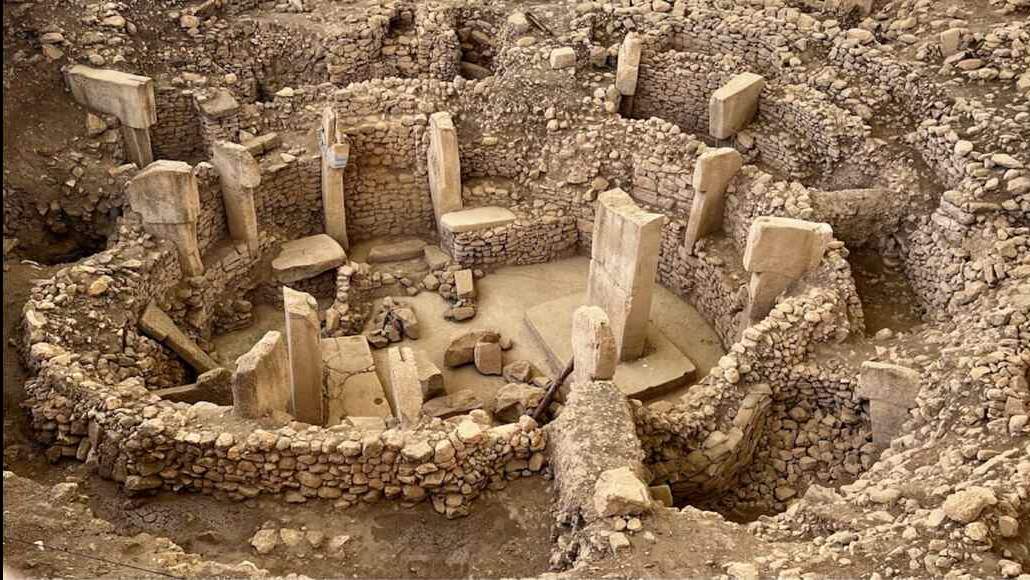
Göbekli Tepe Mystery begins with one of the most surprising discoveries in human history. Göbekli Tepe is known as the world’s oldest temple complex, dating back to around 9600 BCE. This means it was built nearly 12,000 years ago, long before farming, cities, or even pottery existed. This discovery has changed how experts understand early human life.
Thank you for reading this post, don't forget to subscribe!Oldest Temple Before Farming
One of the most shocking parts of the Göbekli Tepe Mystery is that it was built by hunter-gatherers. These people did not live in permanent homes or grow crops. Still, they were able to come together and build large stone structures. This shows that early humans were more organised than we once believed.
Unique Structures and Carvings
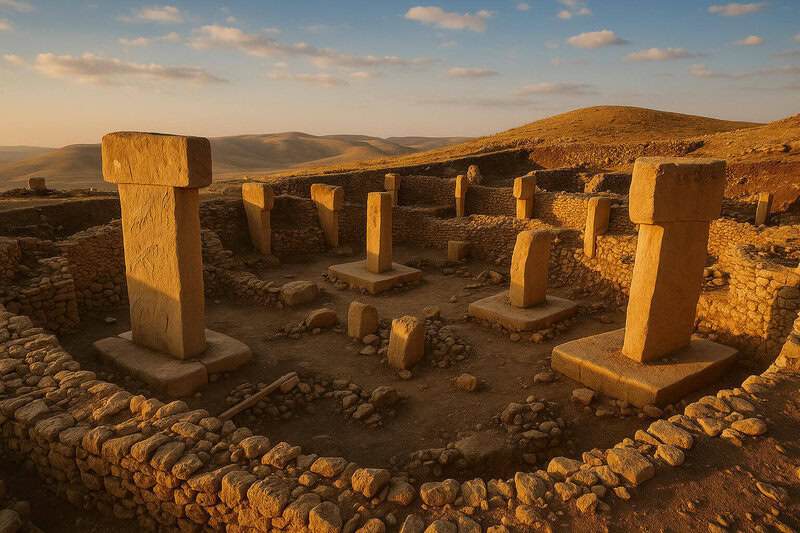
The site has large circular structures made from huge T-shaped limestone pillars. Some of these stones weigh several tonnes. The pillars are decorated with carvings of animals like foxes, lions, and birds. These carvings suggest that the people had strong beliefs and possibly used the site for rituals or ceremonies.
Changing History of Civilisation
The Göbekli Tepe Mystery challenges the old idea that farming came first and religion came later. Instead, this site suggests that people may have gathered for religious reasons first. These gatherings could have encouraged them to settle down and start farming. This idea changes the timeline of human development.
Mystery of Its Burial
Another strange part of the Göbekli Tepe Mystery is that the site was buried around 8000 BCE. This was not caused by nature but done by humans. Experts are still unsure why this happened. Some believe it was due to changes in beliefs, while others think it was done to protect the site.
Transition to Settled Life
Over time, humans slowly moved from a hunting lifestyle to farming and permanent settlements. As villages grew, large ritual centres like Göbekli Tepe may have become less important. This makes the site an important symbol of the shift from nomadic life to settled communities.