Peasant Uprisings in India: Farmers’ Revolt History

Peasant uprisings in India form a very important part of the country’s history, especially during the period of British rule. These movements were not just random revolts but powerful expressions of anger, suffering, and resistance against exploitation. They played a major role in shaping the Indian National Movement and highlighted the struggles of millions of poor farmers.
Thank you for reading this post, don't forget to subscribe!Who Were the Peasants?
Peasants in India were mainly people who depended on agriculture for their livelihood. This group included:
- Landless agricultural labourers
- Sharecroppers and tenants
- Small and marginal farmers
- Rural artisans
These people worked hard on land that they often did not own. They were economically weak, socially backward, and politically powerless. Most peasants had little education and no access to justice, making them easy targets of exploitation by landlords, moneylenders, and colonial officials.
Why Did Peasants Revolt?
The reasons behind peasant uprisings were many and deeply connected to British policies and economic changes.
1. Destruction of Traditional Economy
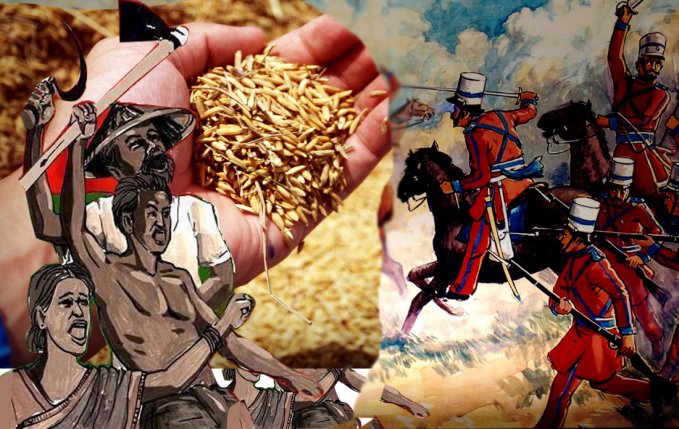
The British destroyed India’s traditional industries like handloom and handicrafts. As a result, many artisans lost their jobs and shifted to agriculture. This increased pressure on land and reduced income opportunities.
2. Harsh Land Revenue Systems
British land revenue systems forced peasants to pay heavy taxes. Systems like Zamindari and Ryotwari made peasants dependent on landlords and officials. Even during droughts or crop failure, taxes had to be paid.
3. Exploitation by Intermediaries
Zamindars, moneylenders, and revenue collectors exploited peasants. They charged high interest rates, used illegal methods to collect rent, and often used violence.
4. Indebtedness
To pay taxes, peasants borrowed money from moneylenders. Due to high interest, they could never repay the loans and remained trapped in debt.
5. Absentee Landlordism
Many landlords lived in cities and had no concern for agriculture. They only focused on collecting rent, not improving farming conditions.
6. Loss of Land
Many peasants lost their land due to inability to pay taxes or repay loans. Land was auctioned and taken over by wealthy people.
7. Lack of Legal Support
British laws favored landlords and moneylenders. Peasants had no proper legal protection.
All these reasons created deep anger among peasants, leading to revolts across different regions of India.
Major Peasant Uprisings in India
1. Sanyasi Rebellion (1763–1800)
This was one of the earliest peasant uprisings in Bengal and Bihar. The Sanyasis and Fakirs, who were originally peasants, formed groups and attacked British officials and wealthy landlords.
- Caused by famine of 1770 and high taxes
- Used guerrilla warfare
- Leaders included Majnu Shah and Bhawani Pathak
- Hindus and Muslims participated together
This revolt showed early resistance against British rule.
2. Rangpur Peasant Uprising (1783)
Peasants in Bengal revolted against harsh treatment by revenue collectors.
- Led by Dirjinarain
- Peasants attacked government offices
- Refused to pay revenue
- United participation of different communities
3. Mysore Peasant Revolt (1830–31)
This revolt took place due to increased taxes by the Mysore ruler under British pressure.
- Led by Sardar Malla
- Spread in rural areas
- Showed resistance against revenue policies
4. Faraizi Movement (1838–1848)
This movement had both religious and economic aspects.
- Founded by Haji Shariatullah
- Led by Dudu Miyan
- Opposed taxes and landlord exploitation
- Promoted equality among people
5. Wahabi Movement (1830s–1860s)
Originally a religious reform movement, it later became a peasant resistance movement.
- Led by Syed Ahmed Barelvi
- United peasants against landlords
- Strong presence in Bengal
6. Indigo Rebellion (1859–1862)
This was a major revolt by peasants forced to grow indigo.
- Peasants refused indigo cultivation
- Supported by newspapers and intellectuals
- Highlighted in “Nil Darpan”
- Government banned forced indigo farming
This movement was successful and brought relief to peasants.
7. Deccan Riots (1875)
This revolt took place in Maharashtra due to debt and economic crisis.
- Peasants attacked moneylenders
- Burned loan documents
- Supported by Poona Sarvajanik Sabha
- Led to Deccan Agriculturists Relief Act (1879)
8. Pabna Movement (1873–1885)
Peasants organized against illegal rent collection.
- Formed Pabna Raiyats League
- Conducted peaceful protests
- Demanded fair rent
9. Champaran Movement (1917)
This was the first major movement led by Mahatma Gandhi.
- Peasants forced to grow indigo under Tinkathia system
- Gandhi used satyagraha
- Led to Champaran Agrarian Act (1918)
10. Kheda Satyagraha (1918)
This movement took place in Gujarat.
- Led by Mahatma Gandhi and Sardar Vallabhbhai Patel
- Peasants demanded tax relief after crop failure
- Government agreed to reduce tax
11. Eka Movement (1921–1922)
- Led by Madari Pasi
- Peasants refused extra rent and forced labour
- Spread in Uttar Pradesh
12. Moplah Rebellion (1921)
This revolt took place in Kerala.
- Muslim peasants revolted against Hindu landlords and British
- Caused by exploitation and land issues
13. Bardoli Satyagraha (1928)
- Led by Sardar Vallabhbhai Patel
- Opposed 22% tax increase
- Successful movement
- Patel got title “Sardar”
14. All India Kisan Sabha (1936)
- Founded by Swami Sahajananda Saraswati
- Supported by Jawaharlal Nehru
- Demanded land reforms and reduction of debt
15. Tebhaga Movement (1946–47)
- Demanded two-thirds share of crops for peasants
- Organized by Kisan Sabha
- Strong in Bengal
16. Telangana Movement (1948–51)
- Led by Communist Party of India
- Against landlords and Nizam rule
- Included armed struggle
Role of Peasant Uprisings in Freedom Struggle
Peasant movements played a key role in India’s independence struggle:
- They exposed the exploitation under British rule
- Created awareness among rural people
- Strengthened the national movement
- Helped leaders like Gandhi connect with masses
- Brought social and economic issues into politics
Impact of Peasant Uprisings
These uprisings had long-term effects:
- Forced British government to change policies
- Led to laws protecting peasants
- Strengthened unity among different communities
- Inspired future movements
- Laid foundation for agrarian reforms after independence
Post-Independence Changes
After India became independent in 1947:
- Zamindari system was abolished
- Land reforms were introduced
- Peasants got ownership rights
- Agricultural development programs started
These reforms improved the condition of farmers, although challenges still remain.
Final Overview
Peasant uprisings in India were powerful movements against injustice and exploitation. They reflected the suffering of millions of farmers and played an important role in shaping India’s history. These movements not only challenged British authority but also laid the foundation for a fair and just agricultural system in independent India.
FAQs
1. What are peasant uprisings?
Peasant uprisings are revolts by farmers against exploitation, high taxes, and injustice.
2. Why did peasants revolt in India?
They revolted due to heavy taxes, debt, exploitation by landlords, and unfair British policies.
3. Which was the first major peasant revolt?
The Sanyasi Rebellion is considered one of the earliest peasant uprisings.
4. What was the Indigo Rebellion?
It was a revolt against forced indigo cultivation in Bengal.
5. Who led the Champaran Movement?
It was led by Mahatma Gandhi.
6. What was the goal of All India Kisan Sabha?
Its goal was to improve farmers’ conditions and demand land reforms.