



Ministry of Home Affairs : Key Reforms and Updates Till 2025

Home Affairs is one of the most important areas of governance in India. It is responsible for maintaining internal security, protecting the country’s borders, managing disasters, implementing important laws, conducting the Census, strengthening cyber security, and coordinating with states and foreign countries on security matters. The Ministry of Home Affairs (MHA) introduced several important reforms, laws, policies, and agreements in 2019 to improve national security, public administration, and citizen services.
Thank you for reading this post, don't forget to subscribe!The year 2019 was significant because Parliament passed several major laws, including the reorganization of Jammu and Kashmir, amendments to national security laws, reforms related to citizenship, border security initiatives, cybercrime prevention measures, and disaster management efforts. This article explains the major developments in simple language.
Role of the Ministry of Home Affairs
The Ministry of Home Affairs is responsible for maintaining law and order, protecting India’s internal security, managing border security, coordinating disaster response, handling citizenship matters, conducting the Census, and supervising various central police organizations.
The Ministry also works closely with state governments to ensure peace, security, and effective governance across the country.
Major Bills Passed by Parliament in 2019
Several important laws were passed during 2019 that affected national administration, security, and governance.
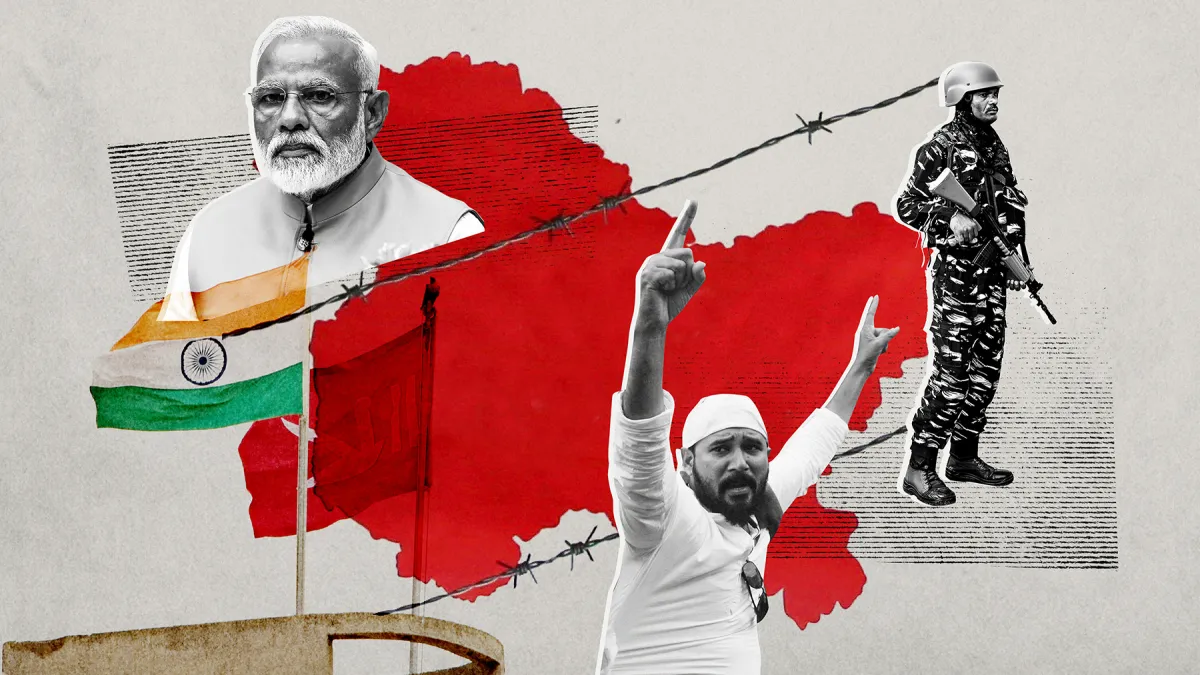
Abrogation of Article 370 and Article 35A
One of the biggest decisions taken in 2019 was the removal of Article 370 and Article 35A from the Constitution.
This decision resulted in:
- Jammu and Kashmir coming under the full application of the Constitution of India.
- Equal application of Central laws in Jammu and Kashmir and Ladakh.
- Extension of laws related to education, reservation, and welfare of Scheduled Castes (SCs), Scheduled Tribes (STs), minorities, and other groups.
- Reservation for Economically Weaker Sections (EWS) becoming applicable.
- Increased opportunities for investment, employment, and infrastructure development.
The government stated that these changes would promote better governance and socio-economic development in the region.
Jammu and Kashmir (Reorganisation) Act, 2019
The Jammu and Kashmir (Reorganisation) Act, 2019 reorganized the former state into two Union Territories:
- Union Territory of Jammu and Kashmir with a Legislative Assembly.
- Union Territory of Ladakh without a Legislative Assembly.
The objective was to improve administrative efficiency and governance.
Jammu and Kashmir Reservation (Amendment) Act, 2019
This amendment extended 3% reservation in educational institutions and government services to people living near the International Border (IB) in Jammu and Kashmir.
Earlier, similar benefits were mainly available to people living near the Line of Control (LoC).
National Investigation Agency (Amendment) Act, 2019
The amendment strengthened the powers of the National Investigation Agency (NIA).
The agency received authority to investigate additional offences such as:
- Human trafficking
- Counterfeit currency
- Illegal manufacture and sale of prohibited arms
- Cyber terrorism
- Explosive substance offences
The amendment also expanded the agency’s investigative powers irrespective of where certain crimes occurred.
Unlawful Activities (Prevention) Amendment Act, 2019
The amendment empowered the Central Government to designate an individual as a terrorist if the person:
- Commits terrorist acts.
- Participates in terrorism.
- Promotes terrorism.
- Prepares for terrorist activities.
- Supports terrorism in other ways.
The amendment strengthened India’s legal framework against terrorism.
Special Protection Group (Amendment) Act, 2019
The amendment aimed to improve the operational efficiency of the Special Protection Group (SPG), which is responsible for providing security to the Prime Minister of India.
Citizenship (Amendment) Act, 2019
The Citizenship (Amendment) Act (CAA), 2019 provides a pathway to Indian citizenship for certain migrants belonging to:
- Hindu
- Sikh
- Buddhist
- Jain
- Parsi
- Christian communities
who migrated to India after facing religious persecution in Pakistan, Afghanistan, and Bangladesh, subject to the provisions of the Act.
Arms (Amendment) Act, 2019
The Act introduced stricter punishment for offences involving:
- Illegal manufacture of firearms
- Illegal possession of prohibited weapons
- Illegal sale and transfer of arms
- Firearms trafficking
- Celebratory gunfire that endangers human life
The objective is to reduce illegal arms-related crimes.
Protection of Human Rights (Amendment) Act, 2019
The amendment broadened the composition of the:
- National Human Rights Commission (NHRC)
- State Human Rights Commissions (SHRCs)
The goal was to make these institutions more inclusive and effective.
Dadra and Nagar Haveli and Daman and Diu (Merger of Union Territories) Act, 2019
The government merged the two Union Territories into a single Union Territory.
The merger aimed to:
- Improve administrative efficiency.
- Reduce duplication of work.
- Lower administrative costs.
- Improve public service delivery.
Important Policy Initiatives
Apart from legislative reforms, the Ministry introduced several important policy measures.
Kartarpur Sahib Corridor
The Kartarpur Sahib Corridor became operational after India and Pakistan signed an agreement on 24 October 2019.
The corridor allows Indian pilgrims of all faiths to undertake year-round visa-free travel to Gurdwara Kartarpur Sahib in Pakistan.
The initiative was launched during the celebrations marking the 550th birth anniversary of Guru Nanak Dev Ji.
Cyber Crime Control
With increasing digital crimes, the Ministry strengthened cyber security measures.
National Cyber Crime Reporting Portal
The government launched the National Cyber Crime Reporting Portal.
The portal enables citizens to:
- Report cyber crimes online.
- File complaints without visiting a police station.
- Track complaints.
The complaints are forwarded to the concerned State or Union Territory law enforcement agencies for further action.
This initiative improves accessibility and faster response to cybercrime cases.
India Security Summit
The 12th India Security Summit was organized in New Delhi on the theme:
“Towards New National Cyber Security Strategy.”
The summit focused on strengthening India’s cyber security framework.
Smart Border Management
India continued improving border surveillance using modern technology.
BOLD-QIT
The Border Electronically Dominated QRT Interception Technique (BOLD-QIT) was launched along the India-Bangladesh border in Dhubri district of Assam.
Its objective is to prevent:
- Illegal infiltration.
- Smuggling.
- Cross-border crimes.
The project forms part of the Comprehensive Integrated Border Management System (CIBMS).
Comprehensive Integrated Border Management System (CIBMS)
The CIBMS uses advanced technology for border security.
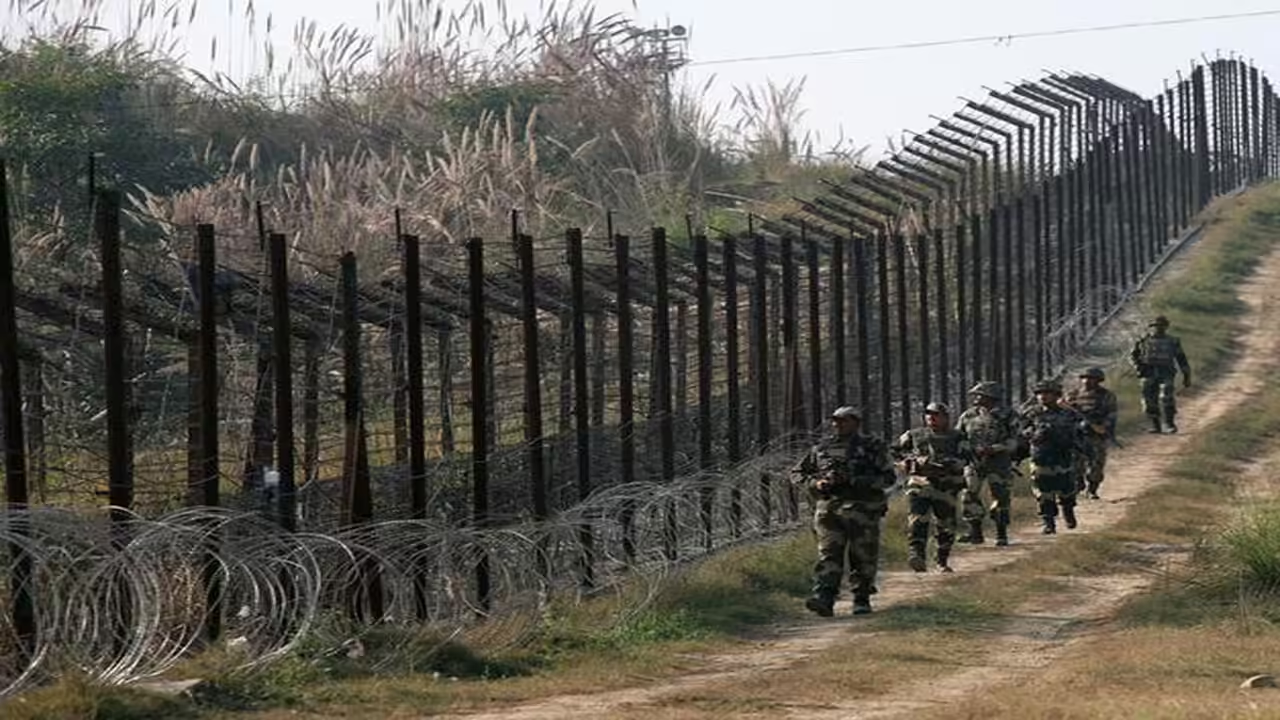
Its main components include:
- Thermal imagers
- Ground sensors
- Fiber optic sensors
- Radar systems
- Sonar systems
- Satellite imagery
- Communication networks
- Data management systems
The system helps security forces monitor borders more effectively and respond quickly to threats.
National Register of Citizens (NRC), Assam
The National Register of Citizens (NRC) aims to identify illegal immigrants residing in Assam.
To strengthen the process, the government approved the establishment of 1,000 additional Foreigners Tribunals.
Foreigners Tribunals
Foreigners Tribunals are quasi-judicial bodies established under the Foreigners Act, 1946.
Their role is to determine whether a person is legally considered a foreigner.
In 2019, an important change allowed individuals themselves to approach the Tribunals. Earlier, only the State authorities could refer cases.
This amendment improved access to the legal process.
Census of India 2021
Preparations for the Census 2021 began during 2019.
Important developments included:
- Foundation stone laid for Janganana Bhawan.
- Census planned in 18 scheduled languages along with English.
- Introduction of the “Third Gender” option in the gender category.
The Census collects valuable information about India’s:
- Population
- Demographics
- Literacy
- Housing
- Employment
- Social and economic conditions
India has conducted a population census every ten years since 1881.
Disaster Management Initiatives
Disaster preparedness remained another important focus area.
Coalition for Disaster Resilient Infrastructure (CDRI)
India launched the Coalition for Disaster Resilient Infrastructure (CDRI) during the UN Climate Action Summit in New York in September 2019.
Its objectives include:
- Promoting resilient infrastructure.
- Sharing global knowledge.
- Supporting disaster-resistant development.
- Encouraging technological cooperation.
The coalition helps countries strengthen infrastructure against natural disasters.
SCO Joint Exercise (SCOJtEx-2019)
India hosted the Shanghai Cooperation Organization Joint Exercise (SCOJtEx-2019) for the first time in New Delhi.
The exercise focused on:
- Urban earthquake search and rescue.
- Disaster preparedness.
- Coordination among SCO member countries.
- Sharing international best practices.
The exercise improved cooperation among participating countries during disaster situations.
International Conference on Landslide Risk Reduction
India hosted the First International Conference on Landslides Risk Reduction and Resilience in New Delhi.
The conference discussed:
- Landslide prevention.
- Disaster risk reduction.
- Infrastructure resilience.
- Scientific research.
- International cooperation.
Bilateral Security Agreements
India strengthened international cooperation through several security agreements.
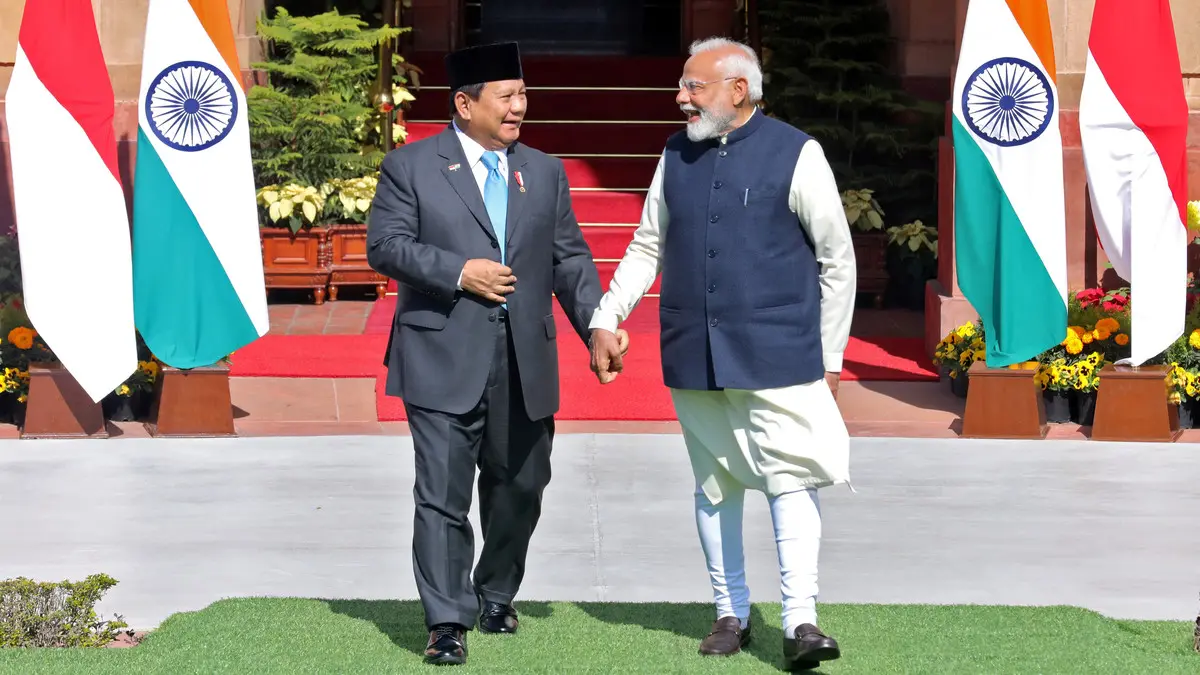
India signed a Security Cooperation Agreement with Uzbekistan.
MoUs were signed with Indonesia, Saudi Arabia, and the United States to combat illicit trafficking of narcotics, psychotropic substances and their precursors.
India and Myanmar signed an MoU for cooperation to prevent trafficking in persons.
With the United States, India gained access to tip-line reports on missing and exploited children to help investigations.
The agreements focused on:
- Counter-terrorism
- Drug trafficking
- Human trafficking
- Child protection
- Security information sharing
Developments till 2025
India has continued strengthening international cooperation in intelligence sharing, cyber security, counter-terrorism, and border security with many countries.
Importance of the Ministry’s Initiatives
The initiatives taken during 2019 have long-term importance for India’s governance and security.
Major benefits include:
- Stronger national security.
- Better border management.
- Improved cybercrime reporting.
- Enhanced disaster preparedness.
- Better administrative efficiency.
- Greater use of digital technology.
- Stronger international cooperation.
- Improved citizen services.
- Better legal framework for security and governance.
These reforms aim to create a safer, more secure, and better-governed India.
Major Home Affairs Developments Between 2020 and 2025
New Criminal Laws
In 2023, Parliament passed three major criminal law reforms that replaced colonial-era laws. These new laws came into force in July 2024 and aim to modernize India’s criminal justice system through greater use of technology, faster investigations, and stronger victim-centric provisions.
Digital Policing
Police forces across India increasingly adopted:
- Online FIR systems
- Digital evidence management
- Facial recognition support tools in selected cases
- Artificial Intelligence for crime analysis
- National crime databases
Disaster Response
The National Disaster Response Force strengthened preparedness for floods, cyclones, earthquakes, and industrial accidents. Better early warning systems helped reduce loss of life during several natural disasters.
Border Infrastructure
The government accelerated construction of:
- Border roads
- Strategic tunnels
- Integrated check posts
- Modern surveillance systems
- Smart fencing
These projects improved both national security and connectivity in remote regions.
Conclusion
Home Affairs remained one of the Government of India’s key priorities in 2019. The Ministry introduced significant legislative reforms, strengthened national security laws, modernized border management through advanced technology, expanded cybercrime reporting systems, improved disaster management, and enhanced international cooperation through several bilateral agreements.
Between 2020 and 2025, these reforms continued to evolve. India expanded digital policing, modernized criminal laws, improved cybercrime response systems, strengthened border infrastructure, promoted international security cooperation, and enhanced disaster preparedness.
FAQs
1. What is the Ministry of Home Affairs (MHA)?
The Ministry of Home Affairs is responsible for internal security, law and order, border management, disaster management, citizenship, and the administration of Union Territories in India.
2. What was the biggest decision taken by the MHA in 2019?
The biggest decision was the abrogation of Article 370 and Article 35A, which ended the special status of Jammu and Kashmir and reorganized it into two Union Territories.
3. What is the Jammu and Kashmir Reorganisation Act, 2019?
This Act divided the former state of Jammu and Kashmir into the Union Territory of Jammu and Kashmir and the Union Territory of Ladakh to improve governance and administration.
4. What is the Citizenship (Amendment) Act, 2019?
The Citizenship (Amendment) Act (CAA) provides a faster path to Indian citizenship for eligible Hindu, Sikh, Buddhist, Jain, Parsi, and Christian migrants from Pakistan, Afghanistan, and Bangladesh who faced religious persecution.
5. What changes were made to the National Investigation Agency (NIA) Act?
The amendment expanded the NIA’s powers to investigate crimes such as cyber terrorism, human trafficking, counterfeit currency, illegal arms trafficking, and offences committed outside India that affect Indian interests.
6. What is the National Cyber Crime Reporting Portal?
It is an online platform where citizens can report cyber crimes such as online fraud, hacking, identity theft, cyber bullying, and financial scams without visiting a police station.
7. What is the Kartarpur Sahib Corridor?
The Kartarpur Sahib Corridor allows Indian pilgrims to visit Gurdwara Darbar Sahib in Pakistan throughout the year without requiring a visa.
8. What is the Comprehensive Integrated Border Management System (CIBMS)?
CIBMS is a smart border security system that uses technologies like thermal cameras, sensors, radars, drones, and satellite surveillance to strengthen India’s borders.
9. What happened to Census 2021?
The Census 2021 was postponed because of the COVID-19 pandemic. As of 2025, it has not yet been completed and is expected to be conducted using digital technology.
10. What major developments took place after 2019?
Between 2020 and 2025, India introduced new criminal laws, expanded cyber security measures, strengthened border infrastructure, improved disaster management, and increased the use of digital policing technologies.