Difference between Classical and Folk Dance in India

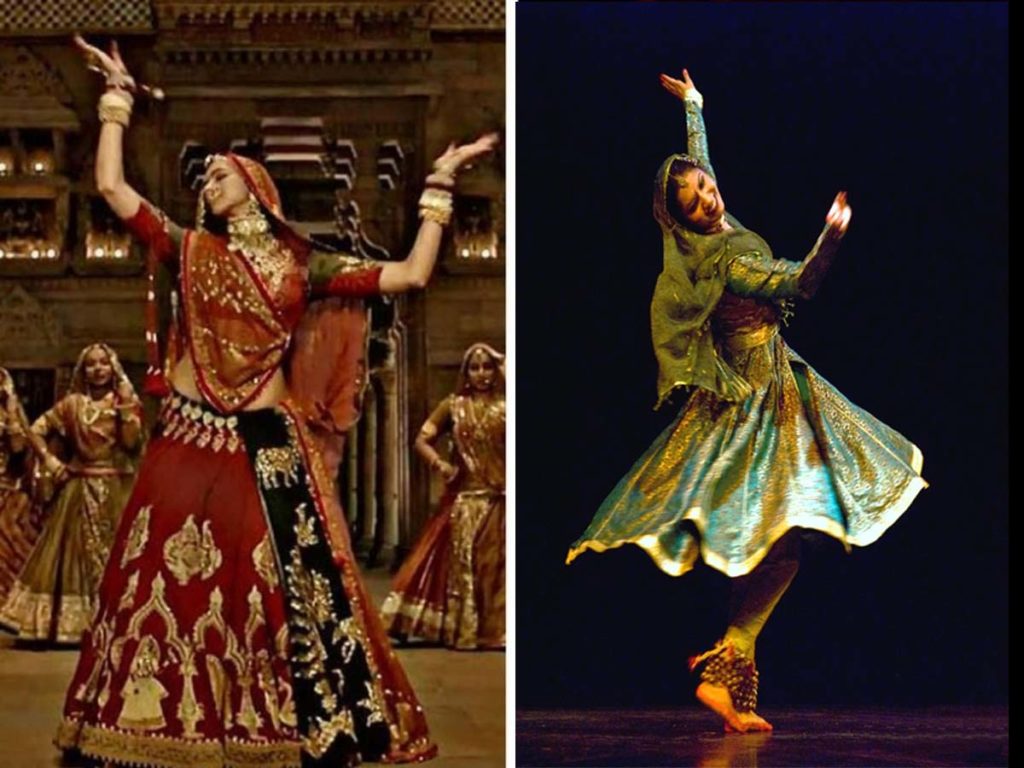
The Difference between Classical and Folk Dance is an important topic in Indian art and culture. India is a country with rich traditions, languages, and cultural expressions. Dance is one of the most beautiful ways through which people express their feelings, beliefs, and celebrations.
Thank you for reading this post, don't forget to subscribe!In India, dance forms are mainly divided into two major types: Classical Dance and Folk Dance. Both of them are important parts of Indian culture, but they are different in their origin, style, purpose, and performance.
The Difference between Classical and Folk Dance mainly lies in their background and tradition. Classical dances follow ancient texts and strict rules, while folk dances come from the daily life of common people and are performed during festivals, harvest seasons, and celebrations..
What is Classical Dance?
Classical dance is a traditional dance form that follows strict rules and techniques described in ancient texts like the Natya Shastra. These dances are performed with grace, expressions, hand gestures (mudras), and body movements.
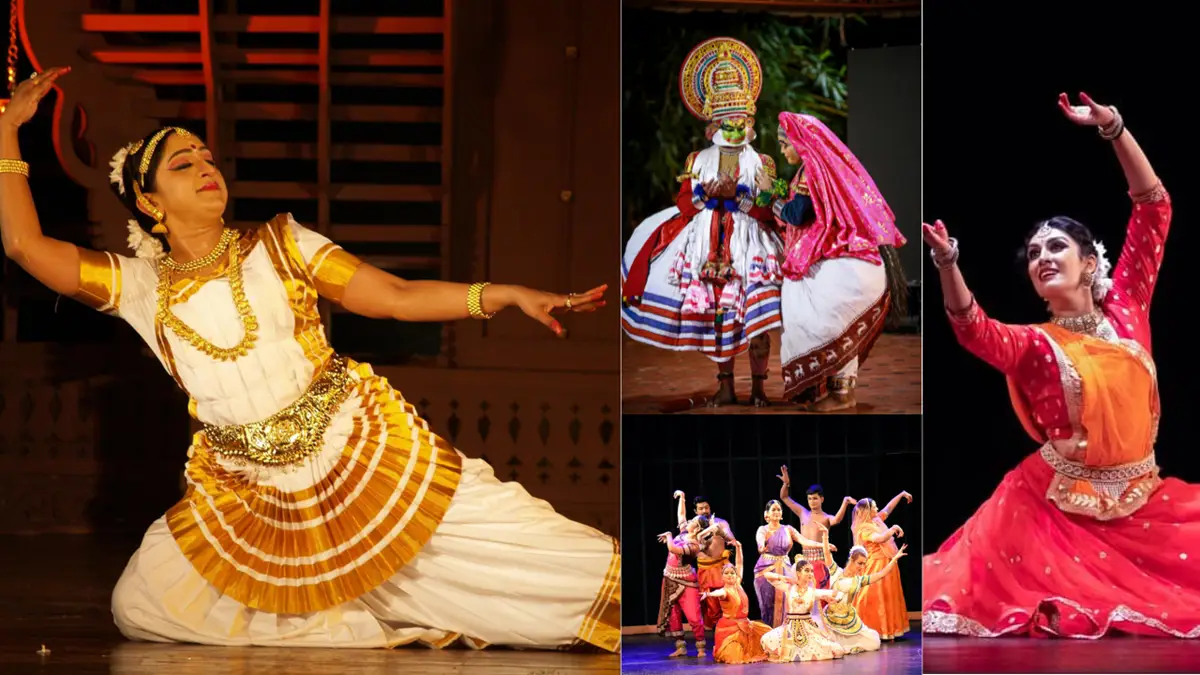
Classical dance usually tells stories from mythology, religion, and ancient history. It requires many years of training and practice. These dances are often performed on stage by professional dancers.
India officially recognizes eight classical dance forms, such as Bharatanatyam, Kathak, Kathakali, Odissi, Kuchipudi, Manipuri, Mohiniyattam, and Sattriya.
What is Folk Dance?
Folk dance is a dance form that develops from the local traditions and culture of people. It reflects the daily life, festivals, harvest seasons, and happiness of the community.
Unlike classical dance, folk dance does not follow strict rules. It is usually simple, energetic, and easy to learn. Most folk dances are performed by common people during celebrations like weddings, festivals, and harvest festivals.
Every state in India has its own unique folk dances. For example, Bihu in Assam, Bhangra in Punjab, Garba in Gujarat, and Ghoomer in Rajasthan.
Main Difference between Classical and Folk Dance
The Difference between Classical and Folk Dance can be understood through several aspects such as origin, purpose, style, training, and performance.
1. Origin and History
The first major Difference between Classical and Folk Dance is their origin.
Classical dances originated from the ancient Sanskrit text called the Natya Shastra, written by sage Bharata. This text explains detailed rules about expressions, gestures, costumes, music, and storytelling.
On the other hand, folk dances were not created from any written text. They developed naturally among local people over many generations. Folk dances reflect the traditions, lifestyle, and culture of a particular region or community.
For example, Bihu dance in Assam celebrates the harvest season and the joy of farming communities.
2. Purpose of the Dance
Another important Difference between Classical and Folk Dance is the purpose behind performing them.
Classical dance is often connected with spirituality and devotion. Many classical dances tell stories about gods, goddesses, and mythological events. These dances were traditionally performed in temples as a form of worship.
Folk dance, however, is mostly performed to celebrate happiness and social events. It is commonly seen during harvest festivals, weddings, fairs, and local celebrations. The main aim of folk dance is entertainment and community bonding.
3. Style and Movements
The Difference between Classical and Folk Dance is also visible in their dance style.
Classical dance movements are very controlled, graceful, and technical. Every gesture, step, and expression has a specific meaning. Dancers must follow strict rules of posture, rhythm, and expression.
Folk dances are usually free and energetic. The movements are simple and lively. Dancers focus more on fun, energy, and group participation rather than technical perfection.
4. Training and Learning
Another clear Difference between Classical and Folk Dance is the level of training required.
Classical dance requires many years of formal training under a teacher or guru. Dancers must learn mudras (hand gestures), facial expressions, footwork, rhythm, and storytelling techniques.
Folk dance, however, is easy to learn and does not require professional training. People usually learn folk dances by watching others in their community.
This is why folk dances are often performed by groups of villagers or community members during celebrations.
5. Performers
The Difference between Classical and Folk Dance also appears in the type of performers.
Classical dances are usually performed by professional dancers who have trained for many years. These performances often take place on formal stages, cultural festivals, and classical dance programs.
Folk dances are performed by ordinary people of the community. Anyone can join and dance during festivals or social gatherings.
6. Costume and Music
Costumes and music also show the Difference between Classical and Folk Dance.
Classical dance costumes are usually traditional, elegant, and carefully designed. Dancers wear ornaments, makeup, and ankle bells (ghungroo) to highlight their movements.
Folk dance costumes are usually colorful and represent the local culture of a region. The music used in folk dance is often simple, lively, and played with local instruments.
7. Number of Dance Forms
India has eight officially recognized classical dance forms:
- Kathak (North India)
- Sattriya (Assam)
- Bharatanatyam (Tamil Nadu)
- Kuchipudi (Andhra Pradesh)
- Kathakali (Kerala)
- Mohiniyattam (Kerala)
- Manipuri (Northeast India)
- Odissi (Odisha)
However, there are more than 30 folk dances in India, and each state has several unique dances.
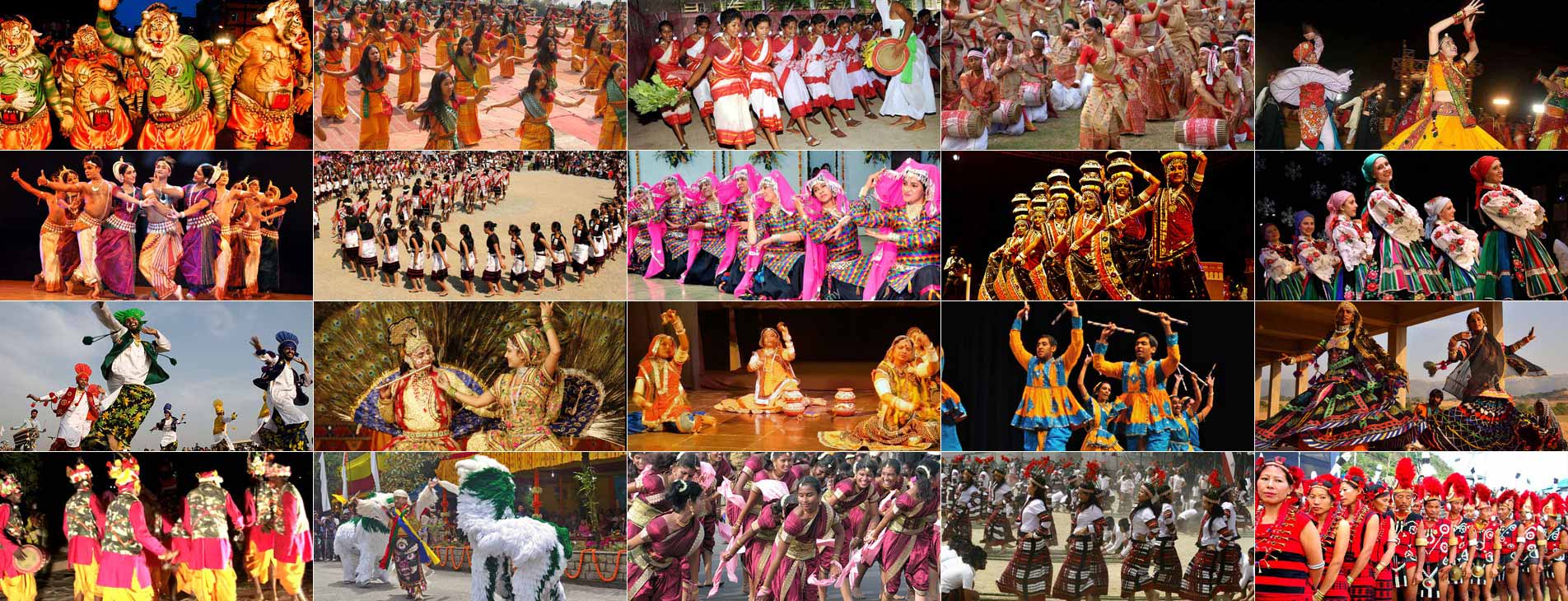
Some popular folk dances include:
8. Energy and Expression
The Difference between Classical and Folk Dance can also be seen in their energy and expression.
Classical dances focus more on grace, balance, and emotional expression. Dancers tell stories through facial expressions and symbolic gestures.
Folk dances are more about energy, enthusiasm, and group enjoyment. The main goal is to create a joyful atmosphere during celebrations.
Why Both Dance Forms Are Important
Even though there is a clear Difference between Classical and Folk Dance, both are very important for Indian culture.
Classical dances help to preserve ancient traditions, mythology, and artistic techniques. They show the depth and richness of Indian heritage.
Folk dances, on the other hand, represent the true spirit of the people. They reflect local traditions, seasonal celebrations, and community unity.
Together, these dance forms make India’s cultural heritage diverse and vibrant.
Conclusion
The Difference between Classical and Folk Dance mainly lies in their origin, purpose, style, and training. Classical dance comes from ancient texts like the Natya Shastra and requires professional training, while folk dance develops from the traditions and daily lives of common people.
Classical dances are graceful, structured, and spiritual, while folk dances are energetic, lively, and community-based.
Both forms of dance play an important role in preserving the rich cultural diversity of India. Understanding the Difference between Classical and Folk Dance helps us appreciate the beauty of Indian art and tradition even more.
FAQs
1. What is the main difference between classical and folk dance?
The main difference between classical and folk dance is their origin. Classical dance follows ancient rules from texts like Natya Shastra, while folk dance comes from local traditions and daily life of people.
2. How many classical dances are there in India?
India officially recognizes eight classical dance forms such as Bharatanatyam, Kathak, Kathakali, Kuchipudi, Odissi, Manipuri, Mohiniyattam, and Sattriya.
3. What is folk dance?
Folk dance is a traditional dance performed by common people during festivals, harvest seasons, weddings, and social celebrations.
4. Which is easier to learn, classical dance or folk dance?
Folk dance is usually easier to learn because it does not follow strict rules, while classical dance requires long training and practice.
5. What are some examples of folk dances in India?
Some popular folk dances in India include Bihu (Assam), Bhangra (Punjab), Garba (Gujarat), and Ghoomer (Rajasthan).
6. Why are classical dances important in Indian culture?
Classical dances help preserve ancient traditions, mythology, and artistic heritage of India.