NGT Sauparnika River Sewage Case Orders Action Plan

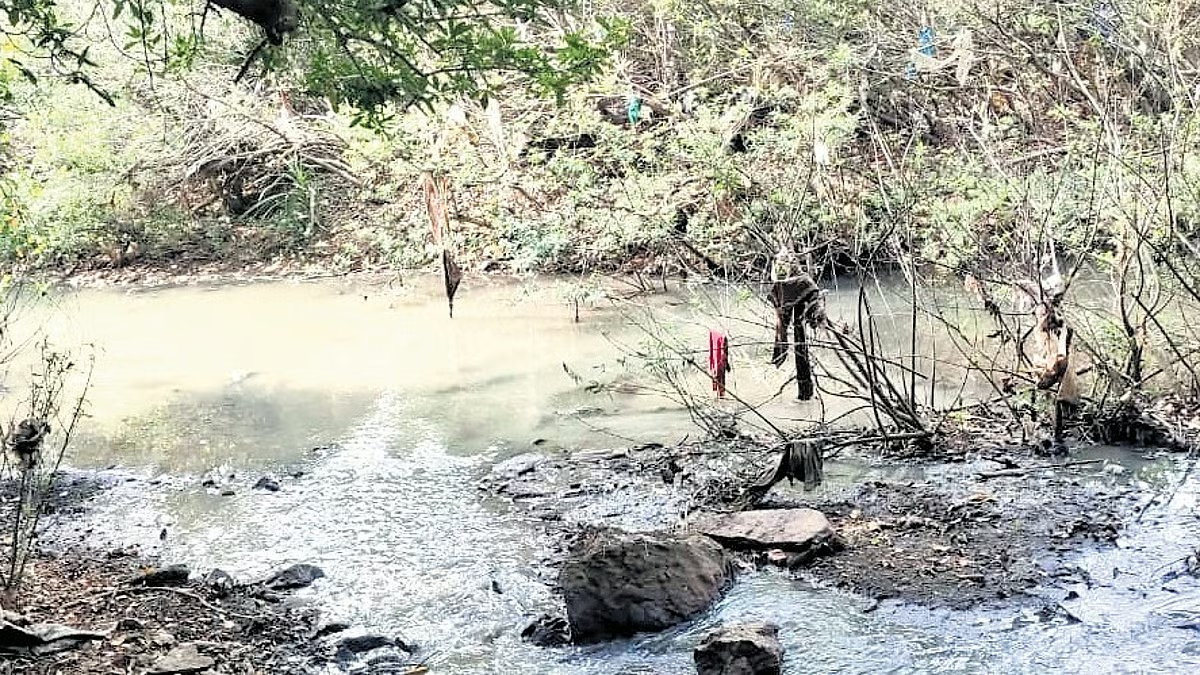
NGT Sauparnika River Sewage has become a major environmental concern after the National Green Tribunal (NGT), Southern Zone, Chennai, directed Karnataka authorities to submit a clear and complete action plan to stop the flow of wastewater into the Sauparnika River. The order comes amid growing public concern over pollution near Kollur, a sacred pilgrimage town known for the Sri Mookambika Temple.
Thank you for reading this post, don't forget to subscribe!The tribunal has listed the matter for further hearing on February 9, 2026, expressing dissatisfaction with the slow and incomplete response from local authorities. The river, which holds religious and ecological importance, continues to suffer from untreated sewage discharge despite years of development projects and infrastructure spending.
NGT Sauparnika River Sewage Issue Reaches Tribunal Again
The matter was taken up after the tribunal found that earlier directions were not properly followed. The NGT observed that pollution in the Sauparnika River has remained unresolved for years, even though several steps were officially claimed to have been taken.
A bench led by Justice Pushpa Sathyanarayana (Judicial Member) and Dr Prashant Gargava (Expert Member) expressed concern over the lack of seriousness in addressing the issue. The tribunal made it clear that piecemeal reports and vague responses were not enough to protect a river that serves both people and nature.
NGT Sauparnika River Sewage: Clear Directions to Authorities
The NGT directed the Udupi Deputy Commissioner, Swaroopa T K, and the Chairman of the Karnataka Urban Water Supply and Drainage Board (KUWSDB) to submit a detailed report. This report must clearly explain:
- How sewage flow into the river will be stopped
- What steps will be taken immediately and in the long term
- The estimated cost of the work
- A realistic timeline for implementation
The tribunal also ordered that officials must appear before the bench through video conferencing, showing the seriousness of the matter.
NGT Sauparnika River Sewage and Pollution Near Kollur
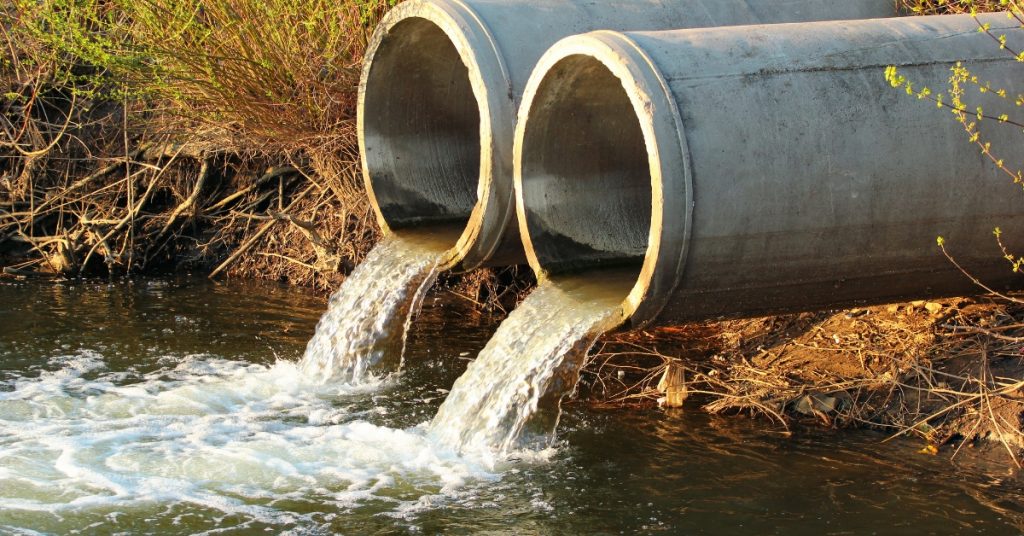
The case originated from a complaint by social activist Harish Tholar from Kollur. He alleged that untreated sewage and waste water from hotels, lodges and commercial buildings around the Sri Mookambika Temple area has been flowing into the Sauparnika River for many years.
According to the complaint, the pollution has not stopped even after the introduction of an Underground Sewerage Scheme (UGSS) in Kollur. This project, which cost nearly Rs 19.97 crore and was implemented between 2015 and 2020, was meant to solve the sewage problem in the town. However, reports suggest that wastewater continues to reach the river through illegal connections, overflow points and untreated discharge.
NGT Sauparnika River Sewage and Gaps in Official Reports
The tribunal also criticised the report submitted earlier by the Udupi district administration on November 25, 2025. The NGT stated that the report lacked essential information and failed to present a real solution plan.
The missing details included:
- Actual volume of wastewater being generated
- Capacity of the current sewerage system
- Whether the system can handle the load
- How much expansion is needed
- Estimated cost for upgrades
- Clear timelines
- Status and functioning of the Sewage Treatment Plant
The tribunal made it clear that without this information, authorities cannot claim progress or compliance.
NGT Sauparnika River Sewage and Role of Pollution Control Board
The Karnataka State Pollution Control Board (KSPCB) has also been directed to submit a separate report. The board must identify:
- Sources of illegal sewage discharge
- Commercial establishments violating pollution norms
- Actions taken against violators
- Steps to stop further contamination
This move aims to fix responsibility and ensure that pollution is not treated as an “administrative oversight” but as a serious environmental offence.
NGT Sauparnika River Sewage and Impact on Devotees
The Sauparnika River is not just a natural resource it is deeply connected to the faith of thousands of devotees who visit Kollur every year. Activist Harish Tholar stated that river pollution has affected water quality and created problems for pilgrims who depend on the river for daily use and religious practices.
He also pointed out that despite the presence of sewerage infrastructure, many commercial establishments continue to release waste into the river. This, according to him, reflects weak monitoring and lack of accountability.
NGT Sauparnika River Sewage and Wider Environmental Concerns
The issue highlights a larger problem seen across many towns in India infrastructure exists, but enforcement fails. Rivers near pilgrimage centres, tourist towns and urban areas are often polluted due to poor maintenance, illegal connections and weak monitoring systems.
Environmental experts warn that untreated sewage not only damages water quality but also affects groundwater, soil health and biodiversity. Over time, this creates long-term ecological damage that becomes difficult and costly to reverse.
NGT Sauparnika River Sewage and the Push for Accountability
By demanding a detailed action plan, cost estimates and timelines, the NGT is pushing authorities toward accountability instead of symbolic compliance. The tribunal’s firm approach reflects a growing judicial focus on environmental protection and river conservation.
The order sends a strong message that river pollution will not be treated as a routine administrative issue but as a serious threat to public health, ecology and cultural heritage.
NGT Sauparnika River Sewage and the Road Ahead
The upcoming hearing in February 2026 is expected to be crucial. Authorities will have to present real solutions instead of general statements. With rising public awareness about water pollution and river conservation, pressure is building for meaningful action rather than paperwork.
The Sauparnika River case has now become a symbol of the larger struggle between development, governance and environmental responsibility in India’s growing towns and pilgrimage centres.