Moon Mineral LED Breakthrough Explained

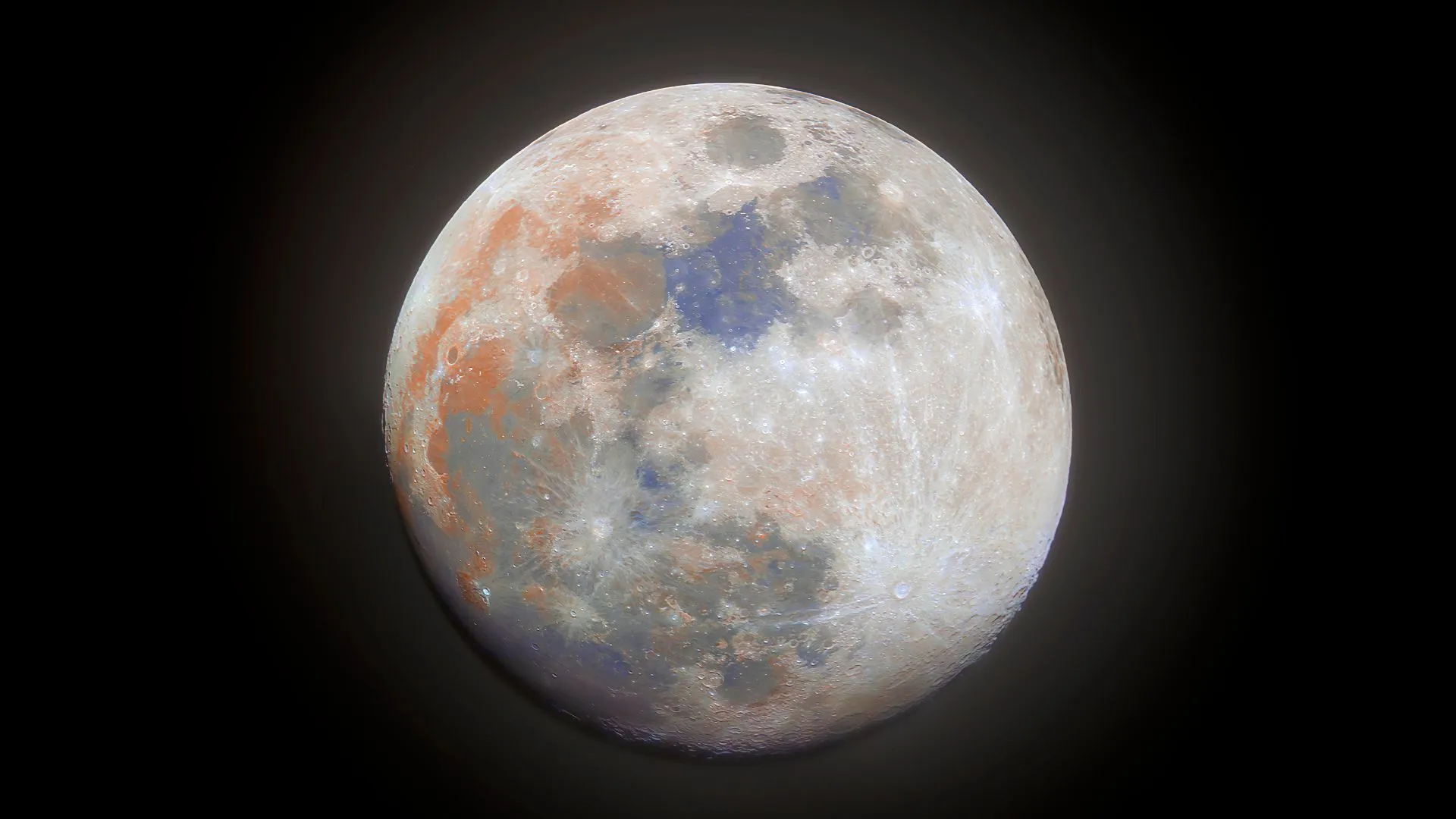
The Moon Mineral LED Breakthrough begins with a major discovery by the China Geological Survey. Scientists have identified a new lunar mineral called Cerium–Magnesium Changesite, now the 11th known mineral from the Moon. This discovery is important for both space science and future technology.
Thank you for reading this post, don't forget to subscribe!Discovery from Lunar Meteorites
The mineral was found in a 44-gram Moon meteorite recovered in China. The meteorite had a dark outer layer formed during its entry into Earth’s atmosphere. Inside, scientists discovered tiny crystal grains smaller than 10 micrometres.
The mineral is colourless, transparent and brittle. Its structure suggests it formed under very different conditions compared to Earth, giving scientists new clues about how the Moon was formed.
Unique Properties Behind Moon Mineral LED Breakthrough
One of the most interesting features of Cerium–Magnesium Changesite is its fluorescence. This means it can emit light under certain conditions. Its chemical makeup includes rare earth elements like cerium, which are widely used in modern technology.
These properties help researchers understand how materials behave in extreme environments. This knowledge can be used to create advanced materials on Earth.
Role in LED Technology
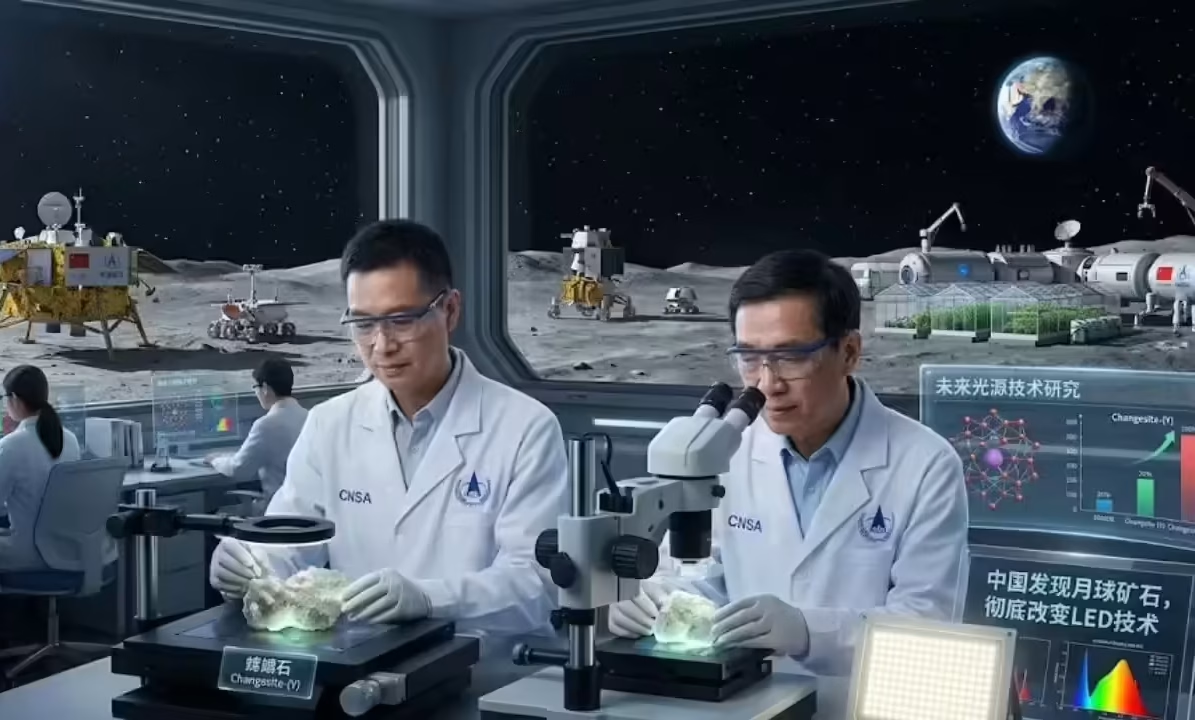
The Moon Mineral LED Breakthrough could play a key role in improving Light Emitting Diode systems. LEDs are already known for saving energy and lasting longer than traditional lighting.
By studying this mineral, scientists hope to develop better phosphor materials. This could lead to brighter, more efficient and more durable LED lights used in homes, industries and electronic devices.
Importance for Space Exploration
This discovery also supports future space missions. Understanding how minerals form on the Moon can help scientists plan resource use and mining strategies.
It also adds to global research in extraterrestrial geology and shows how space discoveries can bring real benefits to life on Earth.