
Sweden HPV Study and India Cervical Cancer: Lessons From Herd Protection for a Nationwide Vaccine Push

Sweden HPV Study and India Cervical Cancer discussions have gained new momentum after fresh evidence from Europe showed how powerful high vaccine coverage can be not just for those who receive the shot, but for entire populations. As India considers rolling out a nationwide, school-based HPV vaccination programme, findings from a large Swedish study bring both urgency and hope to the debate on preventing one of the country’s most common cancers among women.
Thank you for reading this post, don't forget to subscribe!A global warning and a local reality
Cervical cancer remains a serious public health challenge in India. Every year, around 1.25 lakh women are diagnosed with the disease, and nearly 75,000 lose their lives. Despite being largely preventable, the burden remains high due to gaps in vaccination, screening, and early treatment.
Against this background, the Swedish HPV study offers valuable real-world evidence. It shows that when a country achieves high HPV vaccination coverage, the benefits extend far beyond vaccinated individuals. Even unvaccinated women experience lower risk due to reduced circulation of the virus a phenomenon known as herd protection.
What the Swedish study found
The Swedish research followed unvaccinated women born between 1989 and 2000. Researchers examined how often these women developed high-grade precancerous cervical lesions, which are a well-known step before cervical cancer.
The findings revealed a clear pattern. Women born in 1999–2000, who grew up in an environment where nearly 80% of girls were vaccinated through a school-based programme, had about half the risk of developing serious precancerous cervical changes compared to unvaccinated women born in the mid-1980s. In those earlier years, HPV vaccination was voluntary and coverage was low.
Incidence rates dropped steadily as vaccination coverage increased. In the earliest cohort, rates stood at 1.17 per 1,000 person-years. Among women who grew up alongside highly vaccinated peers, this fell to just 0.54. Researchers described this as a strong real-life demonstration of herd protection.
Why herd protection matters so much
Herd protection means that when enough people are vaccinated, the virus struggles to spread. This protects even those who are not vaccinated. For infections like HPV, which are transmitted through close contact, reducing circulation in the community can dramatically lower disease risk at a population level.
For India, where access to regular cervical screening is uneven and many women are diagnosed late, this indirect protection could save thousands of lives over time. It also provides reassurance that even gradual improvements in coverage can produce meaningful public health benefits.
Why the findings are crucial for India
India does not yet have large-scale data showing herd immunity from HPV vaccination, mainly because coverage remains limited. However, experts point out that the biological principle is well established.
Countries such as Australia and the United Kingdom have already reported sharp declines in HPV infections, genital warts, and precancerous cervical lesions after introducing high-coverage vaccination programmes. In some vaccinated age groups, severe cervical changes are close to disappearing.
The Swedish study strengthens the argument that India could see similar gains if vaccination is delivered at scale and in the right age group.
The power of school-based vaccination
One of the most important lessons from Sweden is how the vaccine was delivered. When vaccination depended on individual choice and payment, coverage remained modest. Once it became part of a school-based programme, uptake rose sharply.
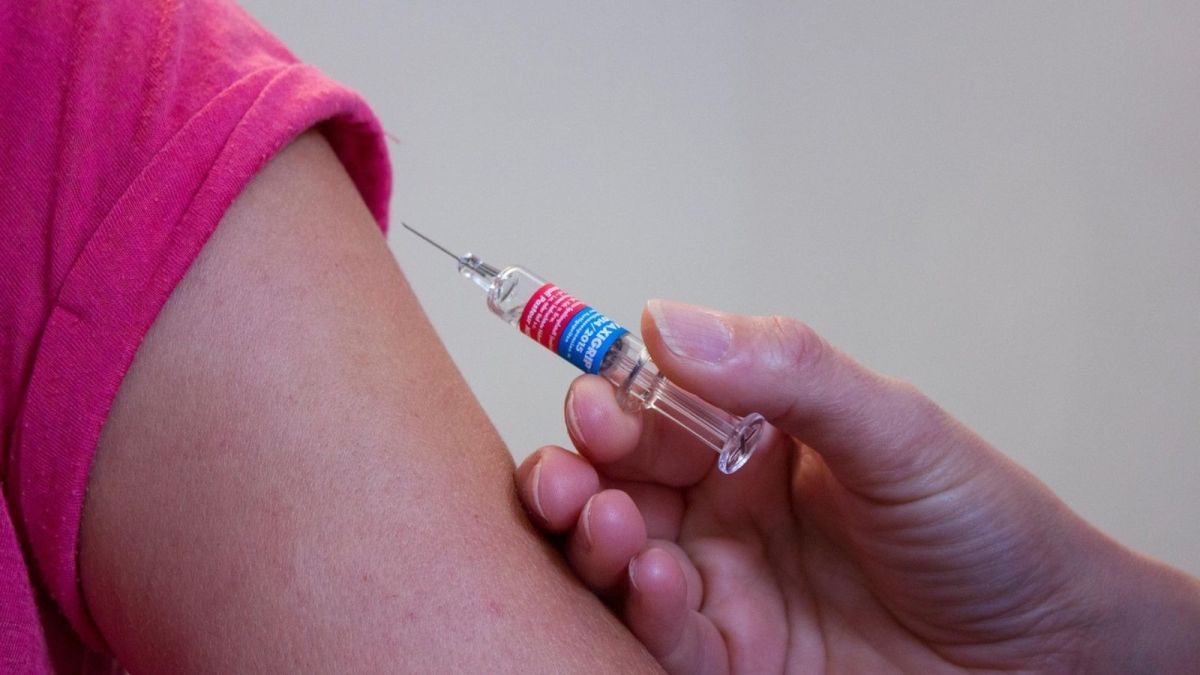
India’s proposed approach vaccinating girls aged 9 to 14 years through schools follows this proven model. This age group is critical because the vaccine works best when given before exposure to HPV. As age increases, and the chance of prior infection rises, vaccine effectiveness declines.
By reaching children early and systematically, school-based delivery makes high coverage achievable and sustainable.
How much coverage is needed
Public health specialists generally aim for vaccination coverage of around 90% to maximise population-level protection. Even coverage of 70% can significantly reduce infection rates and disease burden.
High coverage does two things at once. It protects vaccinated girls directly, and it indirectly shields others by lowering the spread of high-risk HPV types. This is especially important in India, where many women may never receive regular screening or follow-up care.
Reducing pressure on health systems: Insights from Sweden HPV Study and India Cervical Cance
Widespread HPV vaccination does more than prevent cancer. As HPV infections decline, fewer women test positive during screening. This leads to fewer biopsies, fewer confirmatory procedures, and less demand on already stretched healthcare services.
Over time, vaccination changes the entire prevention landscape. Health systems can focus resources on those who truly need care, rather than managing large numbers of avoidable cases.
What the vaccine protects against in the context of Sweden HPV Study and India Cervical Cancer
More than 95% of cervical cancers are caused by long-term infection with high-risk HPV types. Among these, HPV 16 and 18 are responsible for about 70% of cases worldwide.
The vaccines currently available in India, including those produced by the Serum Institute of India, protect against HPV 16 and 18. Some also protect against HPV 6 and 11, which cause most genital warts. By preventing infection at the start, these vaccines interrupt the chain of events that can lead to cancer years later.
Benefits beyond cervical cancer highlighted by Sweden HPV Study and India Cervical Cancer
HPV infection is also linked to cancers of the anus, vagina, and throat. As vaccination coverage rises, experts expect reductions in these cancers as well, increasing the overall public health impact.
This broader protection strengthens the case for viewing HPV vaccination not as a single-disease intervention, but as a long-term investment in population health.

The path forward after Sweden HPV Study and India Cervical Cancer evidence
The Swedish HPV study adds strong, real-world evidence to the case for a nationwide, school-based HPV vaccination programme in India. The benefits will take time to fully appear cancer rates fall more slowly than infections but the direction is clear.
High vaccine coverage has the power to transform population health. For India, the challenge now lies in effective implementation, building public trust, and ensuring that prevention finally moves ahead of disease.