Mount Aso Helicopter Search Intensifies in Japan

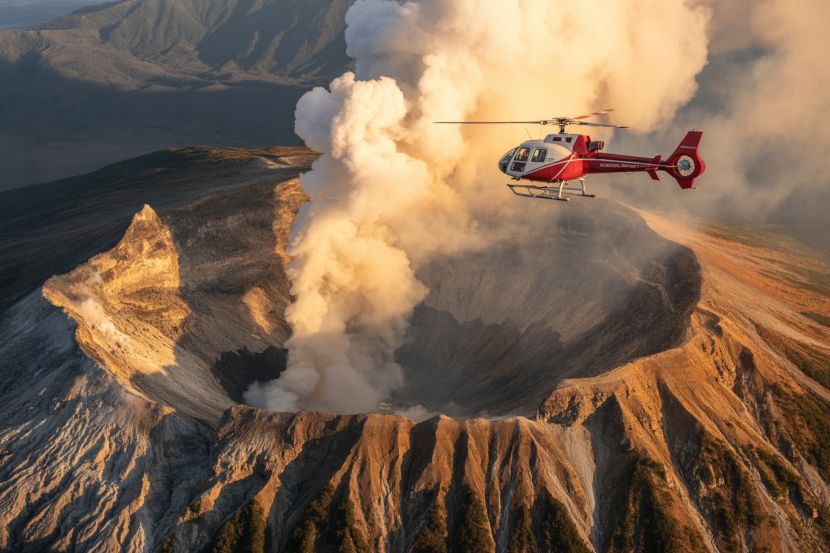
Mount Aso Helicopter Search operations have intensified in Japan after a sightseeing helicopter disappeared near one of the country’s most dangerous and active volcanic regions. The aircraft lost contact while flying close to Mount Aso in Kumamoto Prefecture, triggering a large emergency response from police and the Japan Self-Defence Forces. The incident has raised serious concern due to the risky terrain, heavy volcanic activity and poor visibility around the area.
Thank you for reading this post, don't forget to subscribe!Authorities confirmed that the helicopter went missing during a flight near the summit zone, an area known for frequent volcanic smoke, gas release and sudden weather changes. Emergency teams were quickly mobilised as soon as communication with the aircraft was lost.
Mount Aso Helicopter Search Focuses on Last Known Location
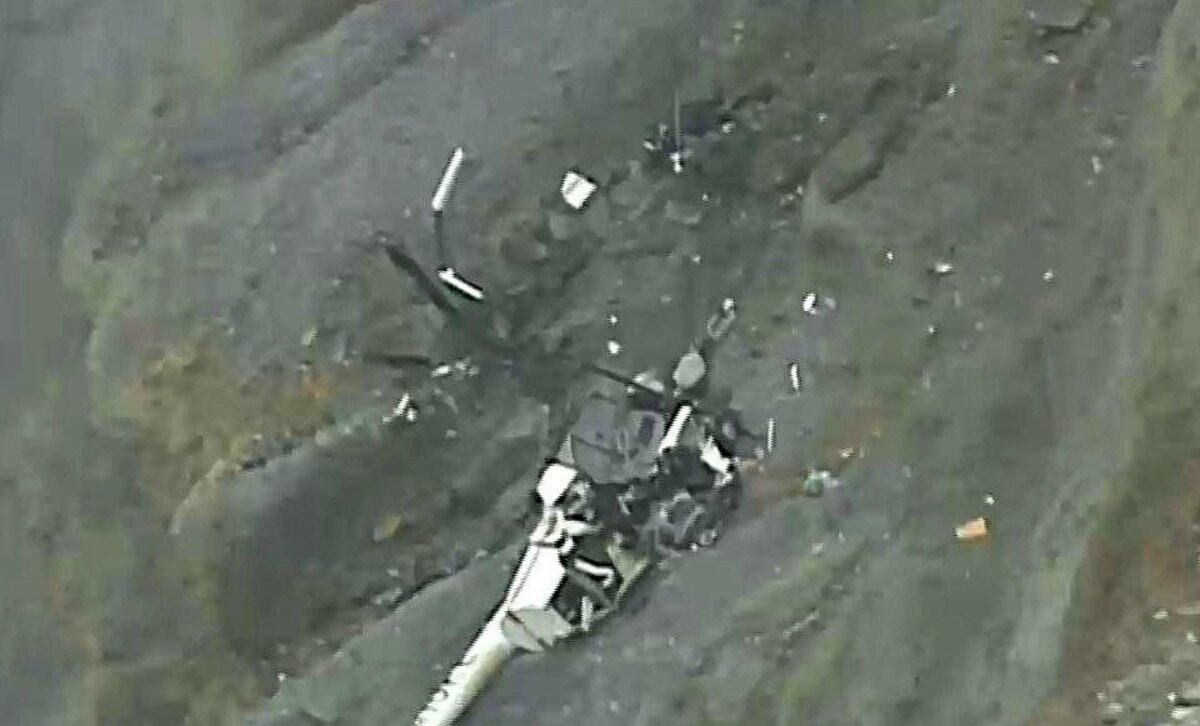
Officials reported that the helicopter’s last known contact was near the summit region of Mount Aso. This area includes Nakadake, the most active crater in the volcanic complex. Shortly after the disappearance, a police search helicopter spotted what appeared to be aircraft debris or a wreck-like object near the first crater of Nakadake in Aso City.
However, authorities made it clear that the object has not yet been officially confirmed as the missing helicopter. Due to dangerous ground conditions and limited visibility, teams are moving cautiously. Further inspection and verification of the site are planned once safety conditions allow closer access.
Mount Aso Helicopter Search and Passenger Details
Japanese officials confirmed that three people were on board the helicopter. This included the pilot and two international passengers. According to reports, the passengers are Taiwanese nationals a 41-year-old man and a 36-year-old woman. The pilot is believed to be a 64-year-old Japanese man.
The incident has triggered international coordination efforts. Kumamoto Prefecture Governor Takashi Kimura stated that he has been in communication with Chen Ming-jun, director of the Taipei Economic and Cultural Office in Fukuoka. This cooperation is part of the effort to keep families informed and ensure smooth coordination between Japanese and Taiwanese authorities.
Mount Aso Helicopter Search and Emergency Response Teams
Search operations include both aerial and ground teams. Japanese police units were the first responders, followed by support from the Japan Self-Defence Forces, who are trained for high-risk rescue operations in difficult terrain.
Rescue helicopters, drones and ground patrol units are being used to scan the area. Authorities believe that mobile phone signal data helped narrow down the possible location of the helicopter, giving search teams a focused zone to investigate.
Despite this technical support, the operation remains slow due to the dangerous environment. The volcanic landscape, steep slopes and unstable ground make movement risky for rescue teams.
Mount Aso Helicopter Search Complicated by Volcanic Activity
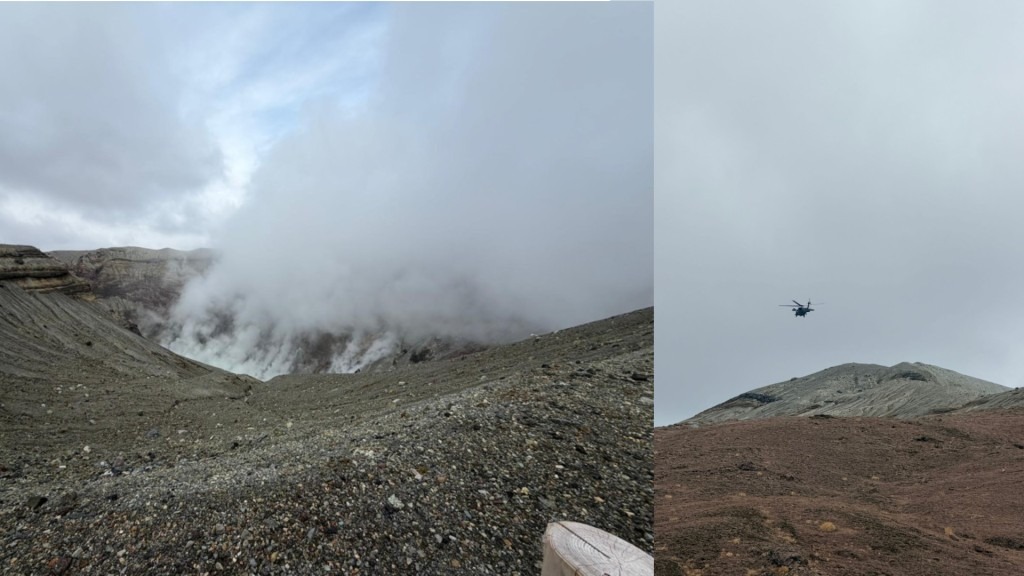
One of the biggest challenges in the operation is the active volcanic condition of Mount Aso. Thick volcanic smoke, gas emissions and fog have severely reduced visibility. A watchman stationed at the crater observation post at the Aso Mountain Top Office told Japanese broadcaster NHK that the area near the crater was “completely white” due to a mix of smoke and fog.
These conditions make it difficult for helicopters to fly low and for ground teams to move safely. Rescue workers are forced to slow their pace to avoid accidents, landslides or gas exposure.
Mount Aso Helicopter Search and Safety Risks
Mount Aso is one of Japan’s most active volcanoes and is known for sudden eruptions, gas releases and ash clouds. The environment around the crater can change quickly, turning normal conditions into life-threatening situations within minutes.
The terrain around Nakadake includes sharp rocks, unstable slopes and deep volcanic pits. These natural dangers make rescue missions extremely complex, even for highly trained teams. Authorities are balancing the urgency of the search with the safety of rescue workers.
Mount Aso Helicopter Search Gains National Attention
The incident has drawn attention across Japan and internationally. Mount Aso is a popular tourist destination, known for sightseeing flights and scenic views. The disappearance of a tourist helicopter in such a region has raised questions about safety measures, weather monitoring and flight planning near active volcano zones.
News coverage has focused on the risks of flying near volcanic landscapes and the unpredictable nature of such environments. Public concern continues to grow as families wait for confirmed updates.
Mount Aso Helicopter Search and Ongoing Coordination
Search teams continue to work in coordination with disaster response units, aviation authorities and local government agencies. The presence of international passengers has added another layer of coordination, ensuring information flows between countries and families receive timely updates.
Officials have stated that operations will continue as long as conditions allow safe movement. The search area remains under close monitoring due to constant volcanic activity.
Mount Aso Helicopter Search Highlights Rescue Challenges
The situation highlights the extreme difficulty of rescue missions in volcanic zones. Unlike normal mountain rescues, volcanic regions involve toxic gases, unstable ground and limited visibility. Even advanced technology cannot fully remove these risks.
Search teams are relying on careful planning, weather monitoring and real-time volcanic data to guide their operations. Every movement is calculated to avoid further danger.
Mount Aso Helicopter Search Continues Under Hazardous Conditions
As the operation continues, authorities remain cautious and focused. The combination of terrain, smoke, fog and volcanic gas has slowed progress, but efforts remain active. Emergency teams are committed to locating the missing helicopter and confirming the status of those on board.
The situation remains fluid, with updates expected as conditions change and access to the suspected site becomes safer.