



Gujarat Data Centre Policy 2026-29 Launched

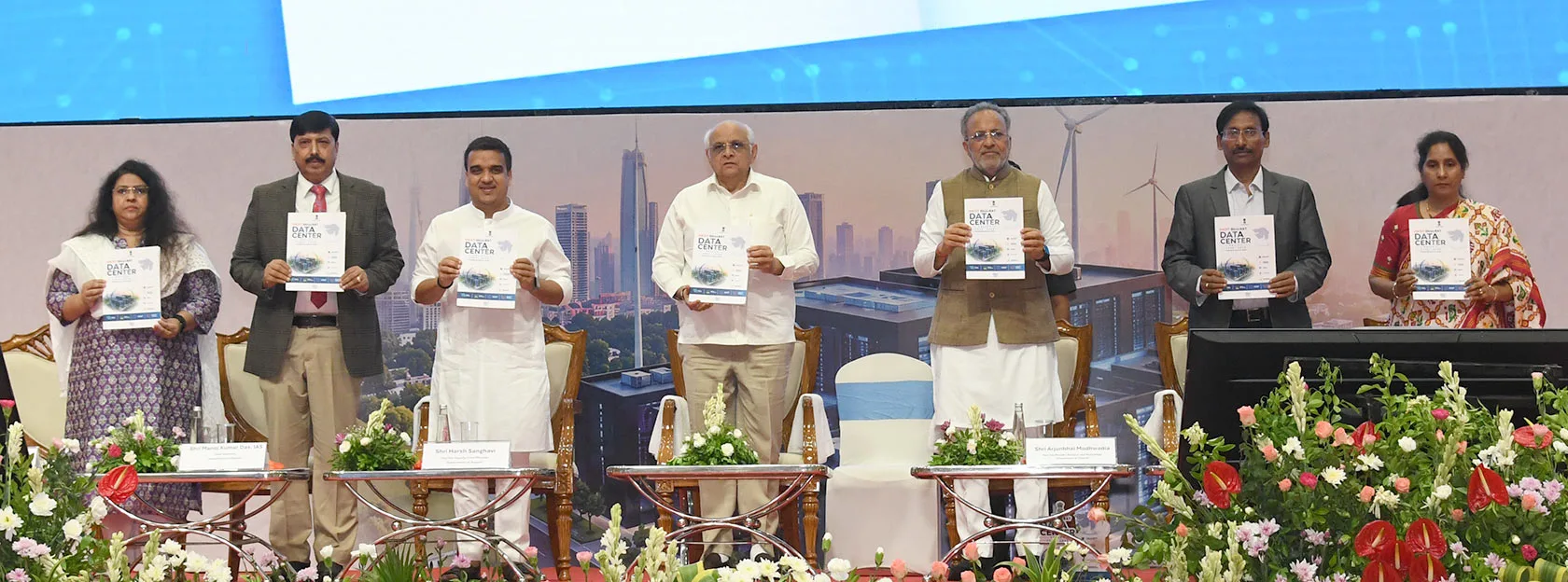
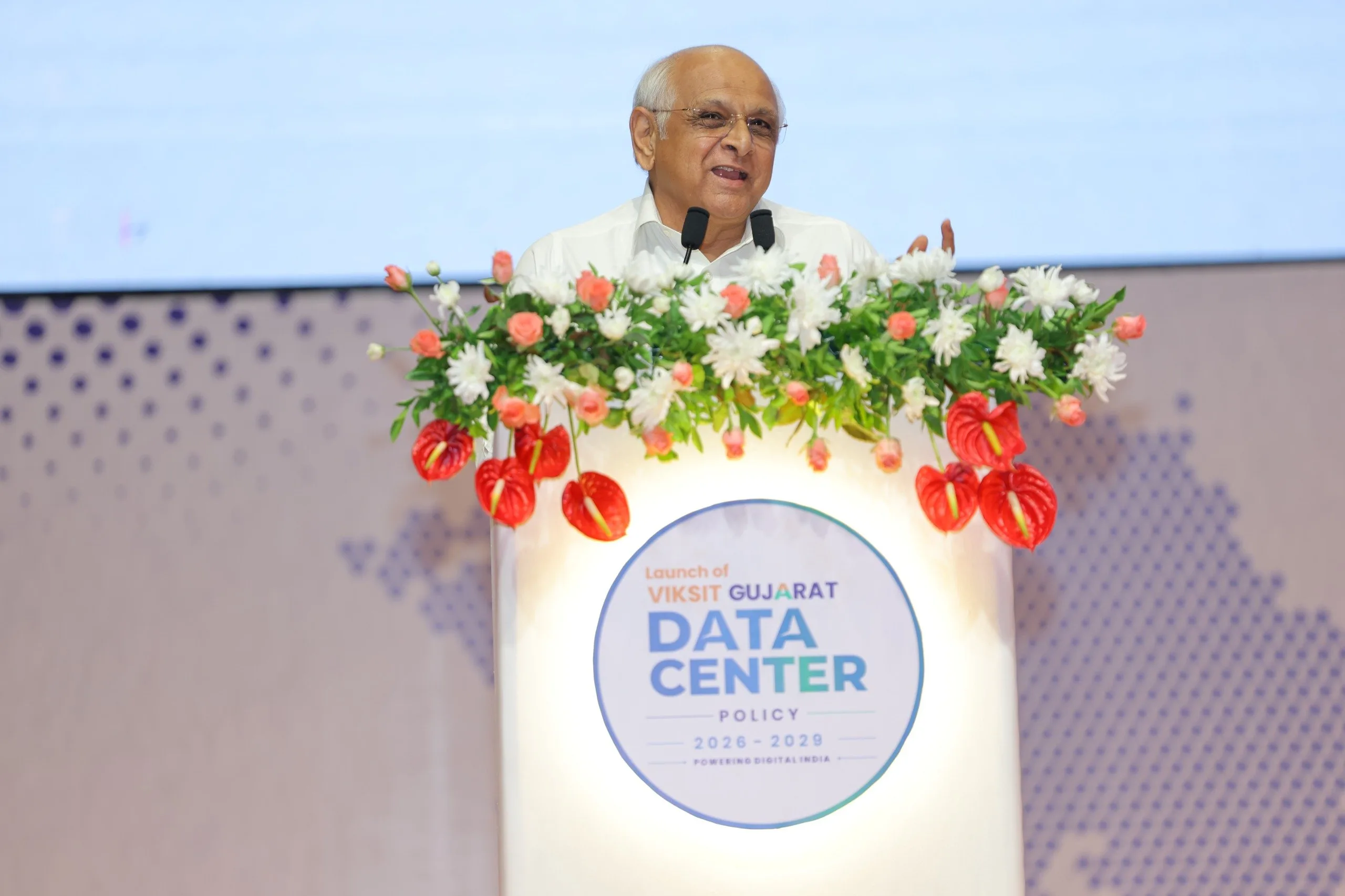
Gujarat Data Centre Policy is a major new initiative launched by the Gujarat government to strengthen digital infrastructure in the state. On 9 July 2026, Chief Minister Bhupendra Patel unveiled the Data Centre Policy 2026-29 in Gandhinagar. The policy aims to attract ₹6 lakh crore in investments and develop 7.5 GW of data centre capacity over the coming years.
Thank you for reading this post, don't forget to subscribe!The new policy focuses on building modern data centres, expanding cloud services, supporting artificial intelligence (AI), and creating a reliable digital ecosystem. It also offers financial incentives and faster approvals to encourage companies to invest in Gujarat.
What Is the Gujarat Data Centre Policy?
The Gujarat Data Centre Policy 2026-29 is the state’s first dedicated policy for the data centre sector. It provides a clear roadmap for developing world-class digital infrastructure and making Gujarat a preferred destination for technology companies.
The policy covers:
- Hyperscale data centres
- Cloud computing infrastructure
- AI-powered digital services
- Digital storage facilities
- High-speed internet connectivity
- Modern communication networks
The Department of Science and Technology will act as the nodal agency to oversee approvals and implement the policy.
Investment and Capacity Targets
One of the biggest goals of the policy is to attract investments worth ₹6 lakh crore.
The government also plans to create 7.5 gigawatts (GW) of data centre capacity, making Gujarat one of India’s leading digital infrastructure hubs.
As demand for cloud computing, AI applications, online services, and digital storage continues to grow, the need for advanced data centres is increasing across the country.

Financial Benefits for Investors
To encourage companies to establish data centres in Gujarat, the policy offers several financial incentives.
These include:
- Capital subsidy on eligible investments
- Interest subsidy
- Power tariff subsidy of ₹1 per unit for up to 20 years
- 100% reimbursement of State GST (SGST)
- Full reimbursement of electricity duty for 20 years
- Stamp duty exemption
- Financial assistance for desalination plants
These incentives are expected to reduce operating costs and attract both Indian and international companies.
Faster Project Approvals
Apart from financial support, the policy also introduces several non-financial benefits.
Companies will receive:
- Faster government approvals
- Simplified project clearances
- Additional Floor Space Index (FSI)
- Relaxed building regulations
- Open access to electricity
- Assured power supply
- Reliable water supply
These measures are designed to speed up project development and reduce delays.
Renewable Energy Requirement
One of the key features of the policy is its focus on sustainability.
Every eligible data centre must obtain at least 51% of its electricity from renewable energy sources.
Renewable energy may include:
- Solar power
- Wind energy
- Hybrid renewable systems
This requirement supports India’s clean energy goals while reducing the environmental impact of large digital infrastructure projects.
Dholera to Become a Major Data Centre Hub
The government has identified the Dholera Special Investment Region (SIR) as the main location for hyperscale data centres.
Projects established in Dholera will receive an additional 2.5% capital subsidy, making the region more attractive for investment.
Dholera already has modern infrastructure, planned industrial zones, and growing connectivity, making it suitable for large-scale technology projects.
Importance of Cable Landing Stations
The policy also includes plans for two new cable landing stations in Gujarat.
Cable landing stations are coastal facilities where international submarine internet cables connect with land-based communication networks.
These stations improve:
- International internet connectivity
- Data transfer speeds
- Cloud services
- Global digital communication
- Network reliability
With increasing internet usage and digital services, such infrastructure has become essential for modern economies.
Why Data Centres Matter
Data centres are secure facilities where digital information is stored, processed, and managed.
They support many online services that people use every day, including:
- Video streaming
- Online shopping
- Digital payments
- Social media platforms
- Artificial intelligence applications
- Government digital services
- Banking systems
- Healthcare records
As businesses continue moving towards digital operations, the demand for reliable data centres is growing rapidly.
Growth of AI and Cloud Computing
Artificial Intelligence and cloud computing are expanding quickly around the world.
Many companies now depend on cloud platforms to manage business operations, while AI applications require powerful computing systems and large amounts of stored data.
Modern data centres provide the computing power needed for:
- Machine learning
- AI research
- Big data analysis
- Financial services
- Healthcare technology
- Smart city applications
The Gujarat policy supports these fast-growing sectors by encouraging investment in advanced digital infrastructure.
Recent Developments in India’s Digital Infrastructure
The launch of the Gujarat Data Centre Policy comes as India continues expanding its digital economy.
Some recent developments include:
- Growing investment in AI and cloud computing infrastructure.
- Expansion of semiconductor manufacturing projects.
- Rapid growth in digital payment services.
- Increasing demand for data storage due to online businesses.
- New government initiatives supporting Digital India and advanced technology.
- Rising investment by global technology companies in Indian digital infrastructure.
These developments are increasing the need for secure, energy-efficient, and high-capacity data centres across the country.
Supporting India’s Digital Economy
India’s digital economy is growing rapidly with more people using online banking, e-commerce, digital education, telemedicine, and AI-powered services.
The Gujarat Data Centre Policy aims to support this growth by creating modern infrastructure, encouraging private investment, promoting renewable energy, and improving international digital connectivity. With long-term incentives and a focus on sustainable development, the policy is expected to strengthen Gujarat’s position as an important technology and digital infrastructure destination in India.