

Sufa 53 Project in Syria

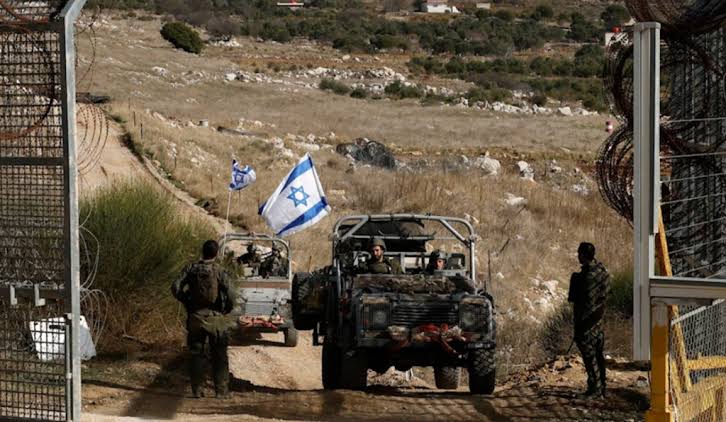
Sufa 53 Project is an Israeli military engineering project reported in southern Syria, near the Israeli-occupied Golan Heights. Also known as the “Great Storm” or the “Sufa Line,” it involves the construction of military roads, trenches, observation posts and earth barriers in the countryside of Quneitra. The project has drawn attention because of its location near the separation zone between Israeli and Syrian forces, where military movements and construction can affect regional security and local communities.
Thank you for reading this post, don't forget to subscribe!Location and Route of the Sufa 53 Project
The project is located in the Quneitra countryside of southern Syria, close to the Golan Heights, a region that has been at the centre of the Israel-Syria conflict for decades.
Reports published on October 5, 2026, said Israeli forces had resumed excavation work near Al-Asha village. The reported route passes through several rural areas, including Hader, Jubata al-Khashab, Al-Hamidiyah, Qahtaniyah, Bir Ajam and Bariqa, extending towards the slopes of Mount Hermon. The route is intended to connect military positions along the separation area.
Main Features of the Military Project
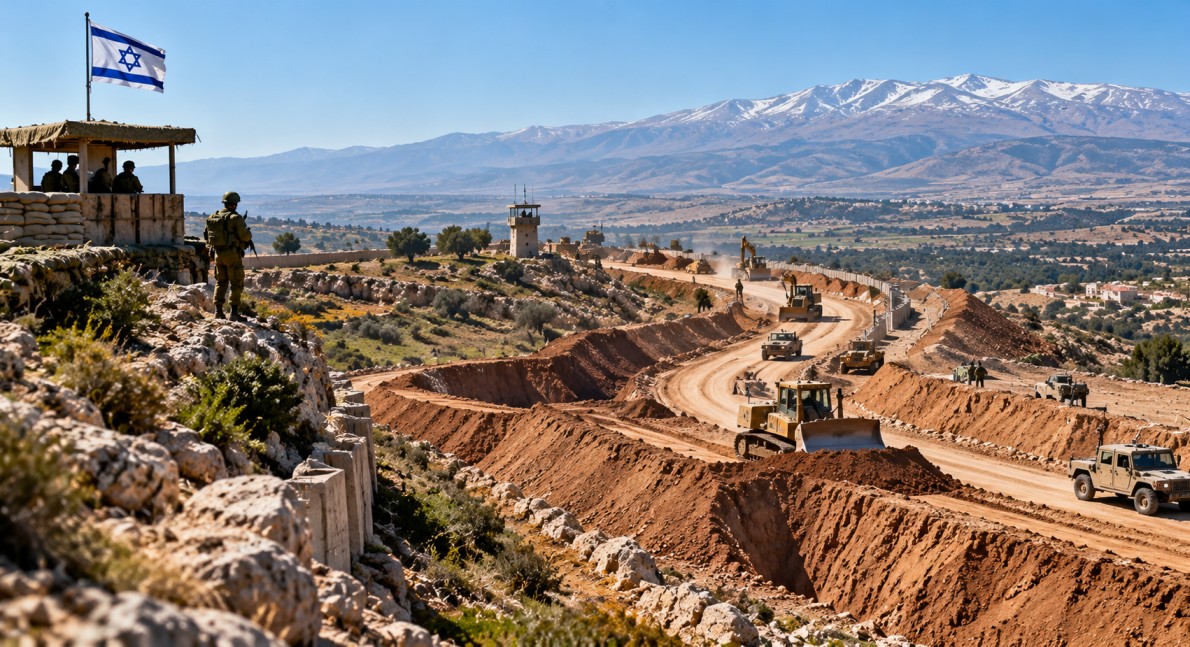
The Sufa 53 Project reportedly includes a military road around eight metres wide, deep trenches and earthen barriers reaching up to five metres in height. Observation posts and military positions are also part of the reported construction.
Military bulldozers and heavy equipment have been used to clear land, dig trenches and expand the earthen barriers. These structures can help military forces move between positions and observe activity in nearby areas.
The construction has also raised concerns about its impact on the local environment. Reports from the region say that some residents have lost farmland and grazing areas, while construction work has affected vegetation and the natural flow of rainwater. These impacts are particularly important for rural families who depend on farming and livestock for their income.
The 1974 Israel-Syria Disengagement Agreement
The project has drawn attention because of its location near the separation area established under the Israel-Syria Disengagement Agreement of May 31, 1974.
The agreement followed the 1973 Arab-Israeli War and established lines separating Israeli and Syrian forces. It also created an area of separation where the United Nations Disengagement Observer Force, known as UNDOF, was assigned to monitor the ceasefire and supervise the agreement.
UNDOF was established by United Nations Security Council Resolution 350 in 1974. Its responsibilities include observing the separation area and reporting violations of the agreement.
Syria and Regional Countries Raise Concerns
Syrian authorities have described the construction as a violation of Syrian territory and the 1974 agreement. Reports published in early October said Qatar, Jordan and Kuwait had also condemned the latest work along the separation line.
The disagreement reflects wider concerns about Israeli military activity in southern Syria. Israel expanded its presence in and around the buffer zone after the fall of Bashar al-Assad’s government in December 2024. The developments have added pressure to an already sensitive security situation near the Golan Heights.
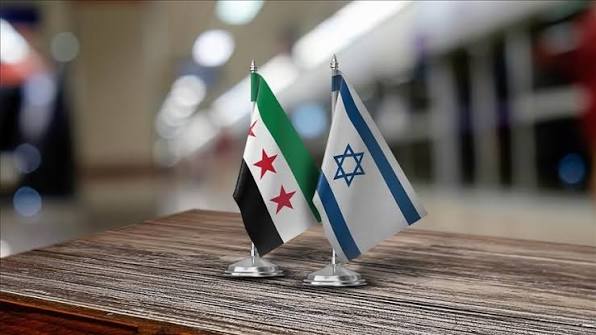
The legal status of the construction and the competing claims about the separation area remain important parts of the dispute. The 1974 agreement continues to provide the framework for separating Israeli and Syrian forces, while UNDOF monitors the area under its mandate.
Recent Developments in Southern Syria
The latest reported excavation work near Al-Asha village on October 4, 2026, has brought renewed attention to the Sufa 53 line. The project is part of a wider pattern of military activity in southern Syria following the changes in control and security arrangements after December 2024.
The area remains strategically important because of its proximity to the Golan Heights, Mount Hermon and the borders connecting Syria, Israel and Jordan. Continued construction, military movements and concerns over farmland have made the project a focus of regional diplomatic criticism.