Cropping Patterns and Major Crops of India(Part-II)

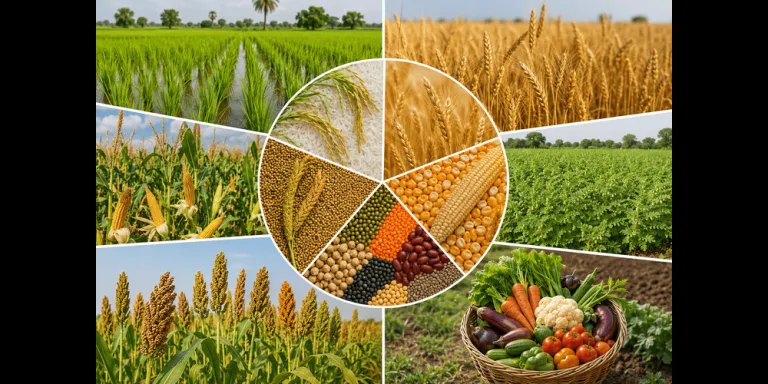
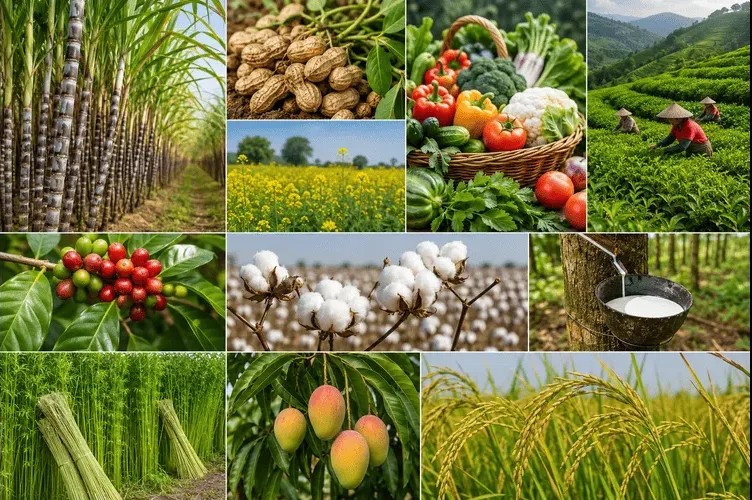
Cropping Patterns and Major Crops of India are very important for understanding Indian agriculture. India is an agricultural country where a large part of the population depends on farming for income and food. Different crops are grown in different parts of India based on climate, soil, rainfall, and market demand. The pattern of growing crops changes from region to region and also changes over time.
Major Cash Crops
Cash crops are crops mainly grown for selling in the market to earn money rather than for direct consumption.

Sugarcane
Sugarcane is one of the most important cash crops in India. It is used to make sugar, jaggery (gur), khandsari, and molasses.
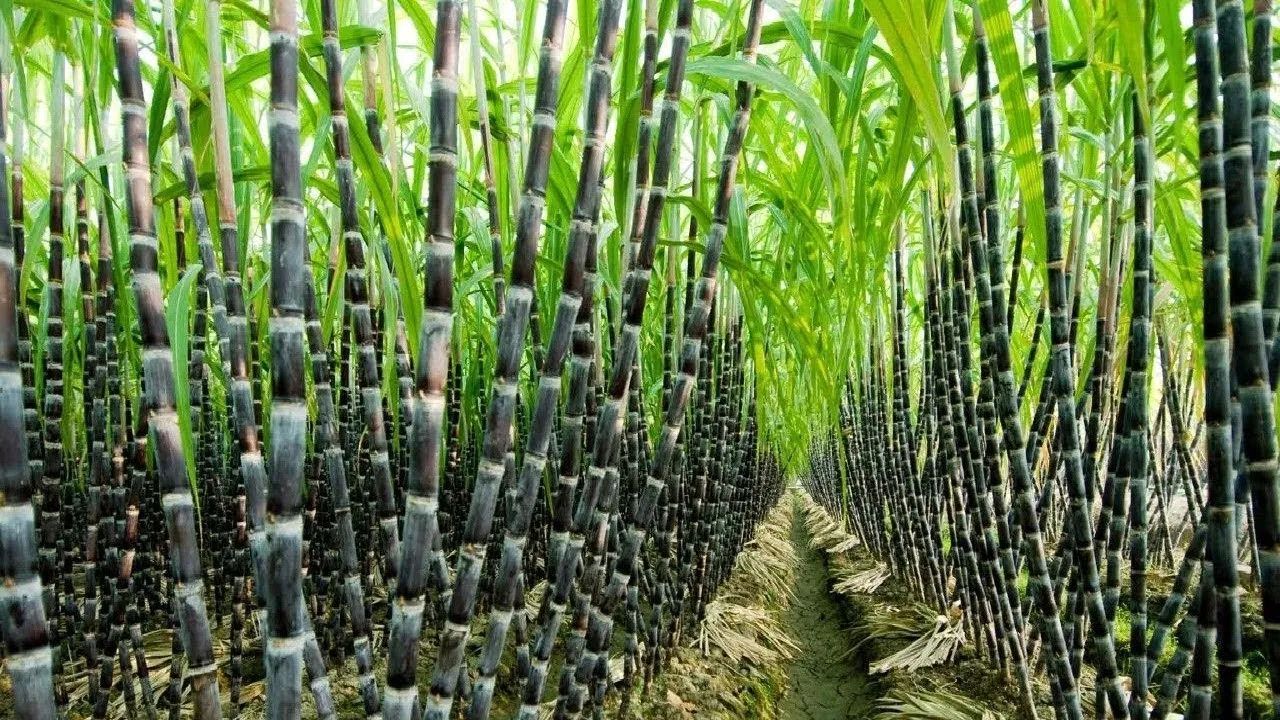
Conditions Required for Sugarcane
- Temperature: 21°C to 27°C
- Climate: Hot and humid
- Rainfall: 75–100 cm
- Soil: Deep rich loamy soil with good drainage
Sugarcane can grow in many soil types, from sandy loam to clay loam, as long as the soil drains water properly. This crop requires a lot of manual labour from sowing to harvesting.
Major Sugarcane Producing States
- Uttar Pradesh
- Maharashtra
- Karnataka
- Tamil Nadu
- Bihar
India is the second-largest producer of sugarcane after Brazil. The government supports this sector through schemes like SEFASU and the National Policy on Biofuels.
Oilseeds
Oilseeds are crops grown mainly for extracting edible and industrial oils.
Conditions Required for Oilseeds
- Temperature: 15°C to 30°C
- Rainfall: 30–75 cm
- Soil: Loam to clayey loam and sandy loam
Important oilseeds in India include:
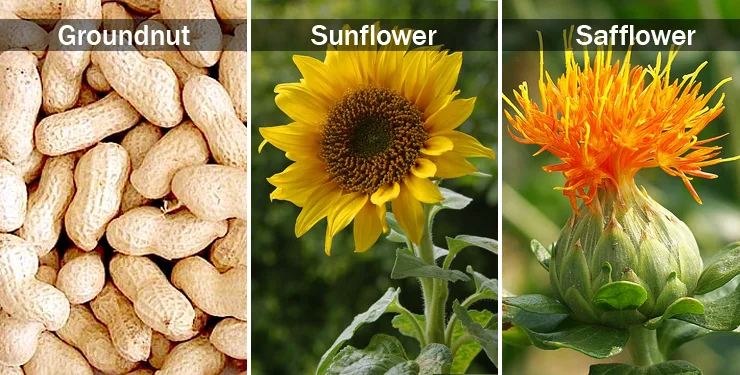
- Groundnut
- Mustard
- Coconut
- Sesamum (Til)
- Soybean
- Castor seed
- Cotton seed
- Linseed
- Sunflower
These oils are used in cooking, while some are also used in soap, cosmetics, and medicines.
Major Oilseed Producing States
- Madhya Pradesh
- Rajasthan
- Gujarat
- Maharashtra
- Uttar Pradesh
Groundnut is mainly a kharif crop and contributes nearly half of oilseed production. Mustard and linseed are mostly rabi crops.
The Yellow Revolution helped increase oilseed production in India.
Horticulture Crops
Horticulture is the branch of agriculture that deals with fruits, vegetables, flowers, herbs, and ornamental plants.
India is the second-largest producer of fruits and vegetables in the world. It produces both tropical and temperate fruits.
Major Fruits and Producing States
| Fruit | Major Producing States |
|---|---|
| Mango | Maharashtra, Andhra Pradesh, Telangana, Uttar Pradesh, West Bengal |
| Orange | Nagpur, Cherrapunji |
| Banana | Kerala, Mizoram, Maharashtra, Tamil Nadu |
| Litchi & Guava | Uttar Pradesh, Bihar |
| Pineapple | Meghalaya |
| Grapes | Andhra Pradesh, Telangana, Maharashtra |
| Apple, Pear, Apricot, Walnut | Jammu & Kashmir, Himachal Pradesh |
India produces around 13% of the world’s vegetables. Important vegetables include:
- Peas
- Cauliflower
- Onion
- Cabbage
- Tomato
- Brinjal
- Potato
Government programs like MIDH and Project CHAMAN support horticulture development.
Plantation Crops
Plantation crops are usually grown on large farms or estates for commercial use.
Tea
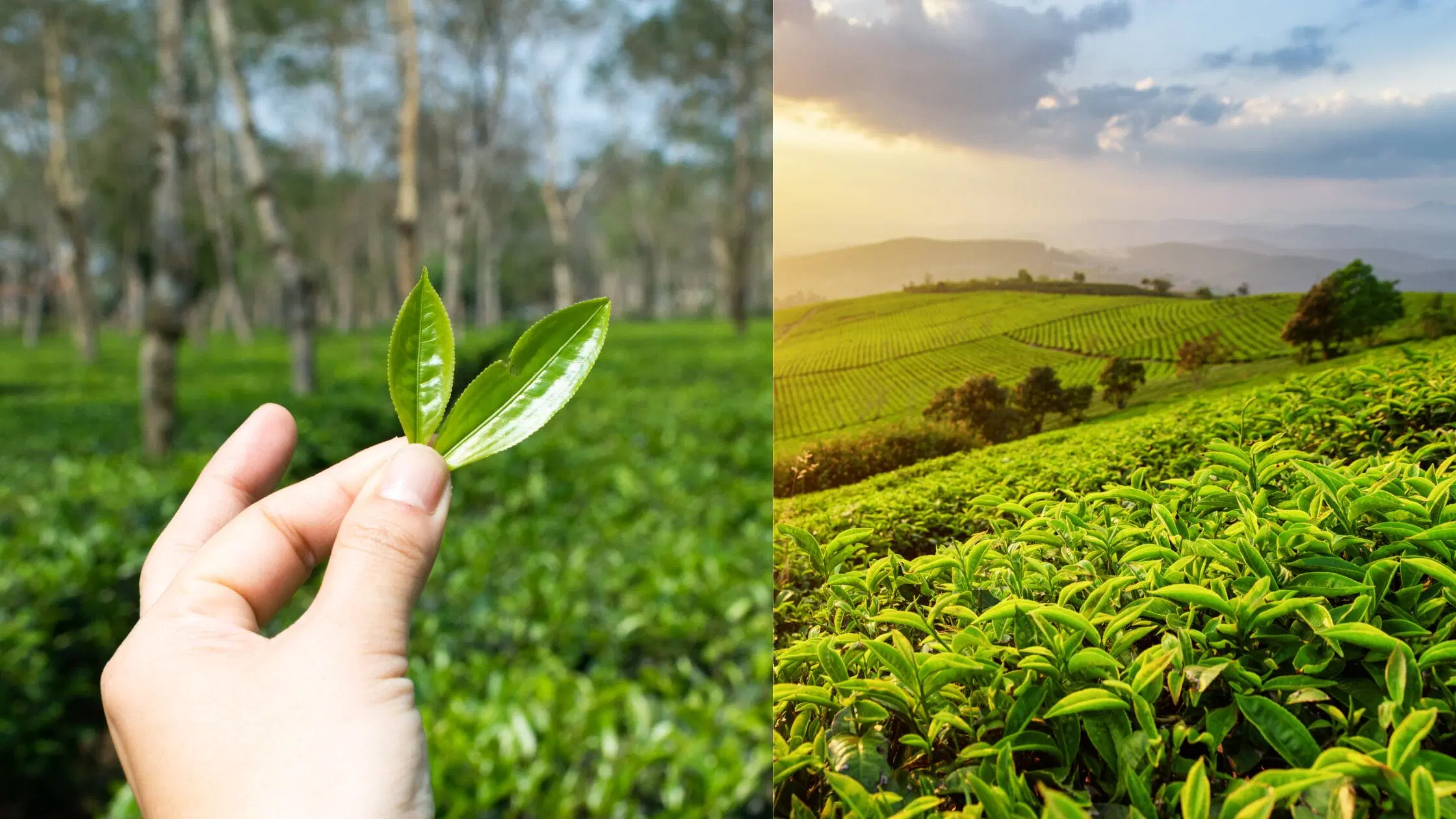
Tea is one of India’s most famous plantation crops.
Conditions Required for Tea
- Temperature: 20°C to 30°C
- Rainfall: 150–300 cm
- Soil: Deep, fertile, well-drained soil rich in organic matter
Major Tea Producing States
- Assam
- West Bengal
- Tamil Nadu
India is the second-largest tea producer in the world. Tea cultivation expanded during British rule, especially in eastern hill regions.
Tea farming needs a lot of workers because plucking tea leaves is labour-intensive. Tea leaves are processed near gardens to keep them fresh.
Coffee
Coffee is another important plantation crop.
Conditions Required for Coffee
- Temperature: 15°C to 28°C
- Rainfall: 150–250 cm
- Soil: Well-drained deep loamy soil
Major Coffee Producing States
- Karnataka
- Kerala
- Tamil Nadu
India is the seventh-largest producer of coffee. Coffee was brought from Yemen and first grown in the Baba Budan Hills.
Indian Arabica coffee is famous worldwide. Coffee grows best in shaded hilly areas.
Rubber
Rubber is an important industrial crop.
Conditions Required for Rubber
- Temperature: Above 25°C
- Climate: Moist and humid
- Rainfall: More than 200 cm
- Soil: Rich alluvial soil with good drainage
Major Rubber Producing States
- Kerala
- Tamil Nadu
- Karnataka
Rubber is mainly an equatorial crop, but it can also grow in tropical areas under suitable conditions. It is widely used in tyres, gloves, belts, and many industrial products.
Fibre Crops
Fibre crops provide raw materials for textile and packaging industries.
Cotton
Cotton is one of the most important fibre crops in India.
Conditions Required for Cotton
- Temperature: 21°C to 30°C
- Rainfall: 50–100 cm
- Soil: Black cotton soil
Major Cotton Producing States
- Gujarat
- Maharashtra
- Telangana
- Andhra Pradesh
- Rajasthan
India is believed to be the original home of cotton. Cotton is a major raw material for the textile industry.
Cotton needs:
- 210 frost-free days
- Bright sunshine
- 6–8 months to mature
BT Cotton was developed to protect crops from pests and environmental stress.
Jute
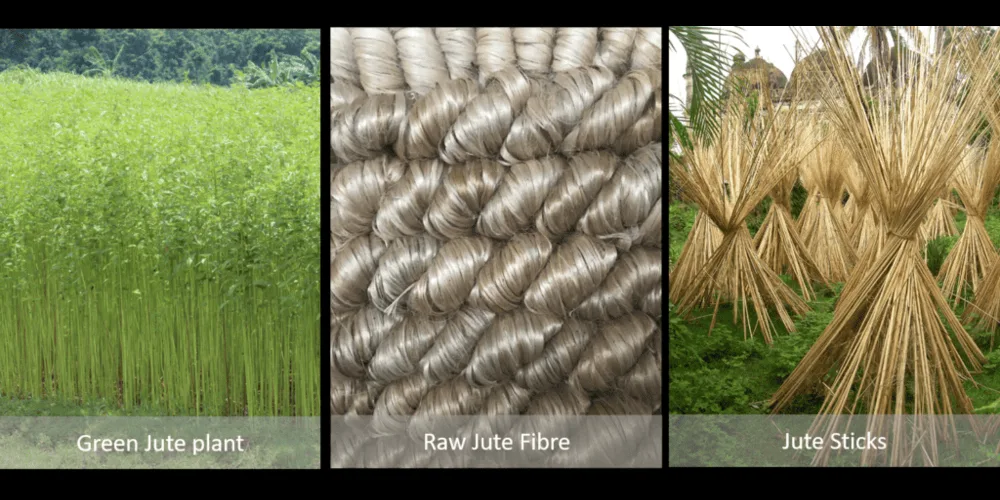
Jute is another major fibre crop.
Conditions Required for Jute
- Temperature: 25°C to 35°C
- Rainfall: 150–250 cm
- Soil: Well-drained alluvial soil
Major Jute Producing States
- West Bengal
- Bihar
- Assam
- Andhra Pradesh
- Odisha
India is the largest producer of jute. Jute is known as the Golden Fibre.
It is used to make:
- Gunny bags
- Mats
- Ropes
- Carpets
- Yarn
Jute is eco-friendly, but it faces competition from synthetic materials like nylon.
Changing Cropping Patterns of India
Cropping pattern means the proportion of land used for growing different crops at a specific time. It is not fixed and changes over time.
Many factors affect cropping patterns in India:
1. Climate and Rainfall
Different crops need different climate conditions. Changes in rainfall directly affect crop selection.
2. Soil Type
Black soil supports cotton, while alluvial soil supports rice and wheat.
3. Technology
Modern irrigation, fertilizers, and machinery help farmers grow more profitable crops.
4. Market Demand
Farmers choose crops that provide better prices in markets.
5. Government Policies
Support prices, subsidies, and agricultural schemes influence crop choices.
After independence, India’s cropping pattern changed greatly. The Green Revolution increased production of wheat and rice, especially in:
- Punjab
- Haryana
- Uttar Pradesh
Rice cultivation expanded in these regions due to better irrigation and high-yield seeds.
Farmers are now shifting from traditional crops like cereals and pulses to commercial crops such as:
- Oilseeds
- Fruits
- Vegetables
- Spices
This shift happens because commercial crops often give higher income.
Climate change is also affecting cropping patterns. Irregular monsoons, rising temperatures, floods, and droughts force farmers to change what they grow.
Population growth and urbanisation have reduced cultivable land. Because of this, intensive farming has increased.
Earlier, nearly 83% of India’s cultivable land was used for food crops and 17% for non-food crops. Later, this changed to 80% food crops and 20% non-food crops.
Among food crops, wheat recorded the highest growth after 1950. Wheat cultivation increased by 132% by 1987–88. Rice and pulses showed smaller growth, while coarse cereals increased only slightly.
This shows how India’s agriculture keeps changing with time, technology, economy, and climate.
FAQs
Q1. What is cropping pattern in India?
Cropping pattern refers to the proportion of agricultural land used for growing different crops in a specific area during a specific time.
Q2. What are the major cash crops of India?
The major cash crops of India include sugarcane, cotton, jute, tea, coffee, and oilseeds.
Q3. Which factors affect cropping patterns in India?
Cropping patterns are affected by rainfall, climate, soil type, irrigation, market demand, technology, and government policies.
Q4. Why is sugarcane important in India?
Sugarcane is important because it is used to produce sugar, jaggery, molasses, and biofuel products.
Q5. Which state is the largest tea producer in India?
Assam is the largest tea-producing state in India.
Q6. Why is jute called the golden fibre?
Jute is called the golden fibre because of its golden-brown color and high economic value.
Q7. What is the Green Revolution?
The Green Revolution was an agricultural movement that increased food grain production using modern seeds, fertilizers, and irrigation.
Q8. How is climate change affecting cropping patterns?
Climate change causes irregular rainfall, droughts, and floods, forcing farmers to change crop choices.