


Genetically Modified Organism (GMO): Meaning, Uses, Benefits and Concerns

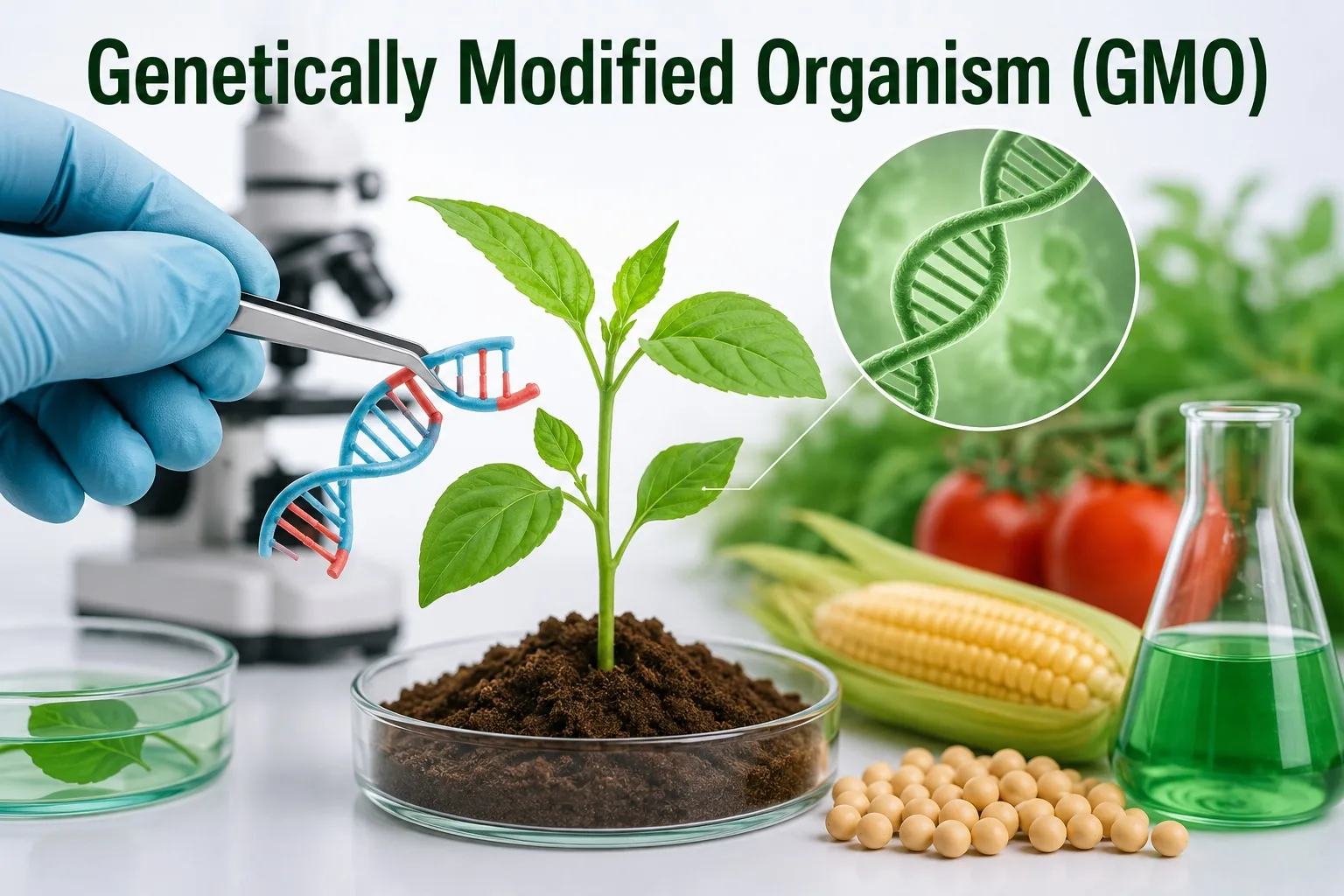
Genetically Modified Organism (GMO) is a living organism such as a plant, animal, or microorganism whose DNA has been changed using modern biotechnology. Scientists modify genes to add useful qualities like pest resistance, better nutrition, faster growth, or disease resistance.
Thank you for reading this post, don't forget to subscribe!In simple words, GMO technology helps scientists improve living organisms by changing their genetic structure in a controlled way.
What is a Genetically Modified Organism (GMO)?
Every living thing has DNA, which contains genetic instructions. These instructions decide how an organism grows and functions.
A GMO is created when scientists directly change DNA using genetic engineering methods. This is different from traditional breeding, where farmers choose plants or animals with good traits and breed them over many generations.
Today, biotechnology allows direct gene changes in crops, animals, and microbes within a short time.
Examples:
- Pest-resistant cotton
- Vitamin-rich rice
- Disease-resistant crops
- Fast-growing fish
- Medicines made from modified bacteria
What is Genetic Modification?
Genetic modification means changing the DNA of an organism to introduce desired traits.
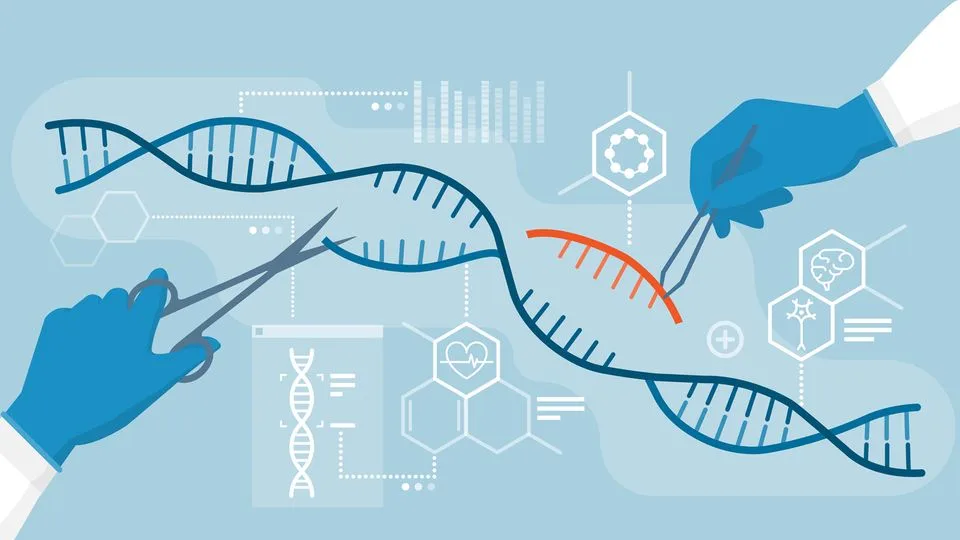
Scientists may:
- Add a gene
- Remove a gene
- Turn a gene off
- Replace one gene with another
This helps produce better crops, useful medicines, and improved livestock.
Important Gene Editing Techniques
1. Recombinant DNA Technology
This method takes a useful gene from one organism and inserts it into another.
Example: Human insulin gene inserted into bacteria to produce insulin medicine.
2. CRISPR-Cas9
CRISPR is one of the most advanced gene-editing tools.
It works like molecular scissors that cut DNA at a specific location so scientists can edit genes precisely.
This technology is now widely used in agriculture and medical research.
3. TALENs
TALENs are another precise DNA-editing technology used to modify genes.
4. RNA Interference (RNAi)
RNAi reduces or blocks the activity of harmful genes.
It helps in controlling disease-causing genes.
5. Cloning (Somatic Cell Nuclear Transfer)
This creates a genetically identical copy of an organism.
The famous sheep Dolly was created using this method.
6. Synthetic Biology
Scientists design entirely new biological systems for useful purposes.
7. Viral Vectors
Modified viruses carry useful genes into cells, especially in gene therapy.
Advantages of Gene Editing and GMO
Higher Crop Production
GMO crops can produce more food from the same land.
This is important because the global population is growing rapidly.
Pest Resistance
Some GMO crops can resist harmful insects.
Example: Bt cotton protects against bollworm.
Better Nutrition
Scientists can improve nutritional value.
Example: Golden Rice contains beta-carotene, which helps prevent Vitamin A deficiency.
Disease Resistance
Plants can be modified to resist viruses, fungi, and bacteria.
Less Chemical Use
Pest-resistant crops need fewer pesticides.
This reduces farming costs and environmental pollution.
Climate Resistance
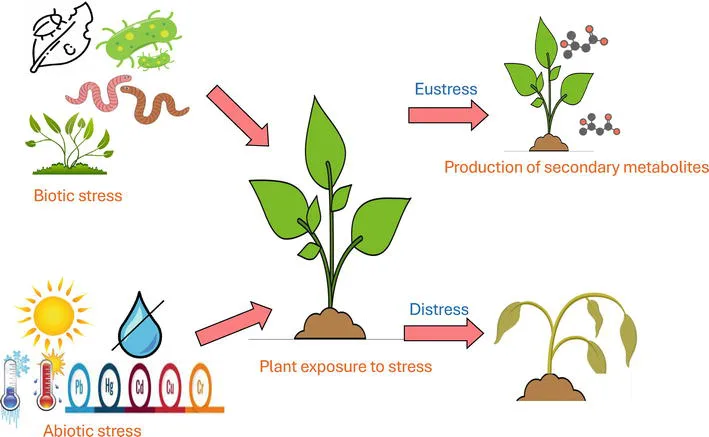
Modern gene-edited crops can survive:
- Drought
- Flood
- Heat stress
- Salty soil
This helps agriculture during climate change.
Examples of GM Plants
Bt Cotton
Bt cotton contains a gene from Bacillus thuringiensis bacteria.
It produces proteins harmful to certain insects but safe for humans.
Benefits:
- Lower pesticide use
- Better cotton yield
- Less crop damage
Golden Rice
Golden rice is enriched with Vitamin A.
It helps reduce malnutrition.
Bt Brinjal
Bt brinjal resists insect attacks and reduces pesticide use.
It remains controversial in India.
Drought-Resistant Crops
These crops can survive with less water.
Non-Browning Apples
These apples stay fresh longer after cutting.
This reduces food waste.
Genetically Modified Medicines
GM technology is not limited to agriculture. It also helps medicine.
Insulin
Earlier, insulin came from animals.
Today, genetically modified bacteria produce human insulin.
This has greatly improved diabetes treatment.
Examples of GM medicines:
- Insulin
- Human Growth Hormone
- Hepatitis B vaccine
- Blood clotting proteins
- Cancer antibodies
- Gene therapy medicines
Cancer Treatment
Modified immune cells can fight cancer.
One example is CAR-T therapy, where immune cells are genetically changed to attack cancer cells.
Genetically Modified Animals
GM animals are created for research, food production, or medicine.
Examples include:
GloFish
GloFish are fish that glow due to fluorescent genes.
AquAdvantage Salmon
AquAdvantage Salmon grow faster than normal salmon.
GM Mosquitoes
Modified mosquitoes help control diseases like:
- Malaria
- Dengue
- Zika
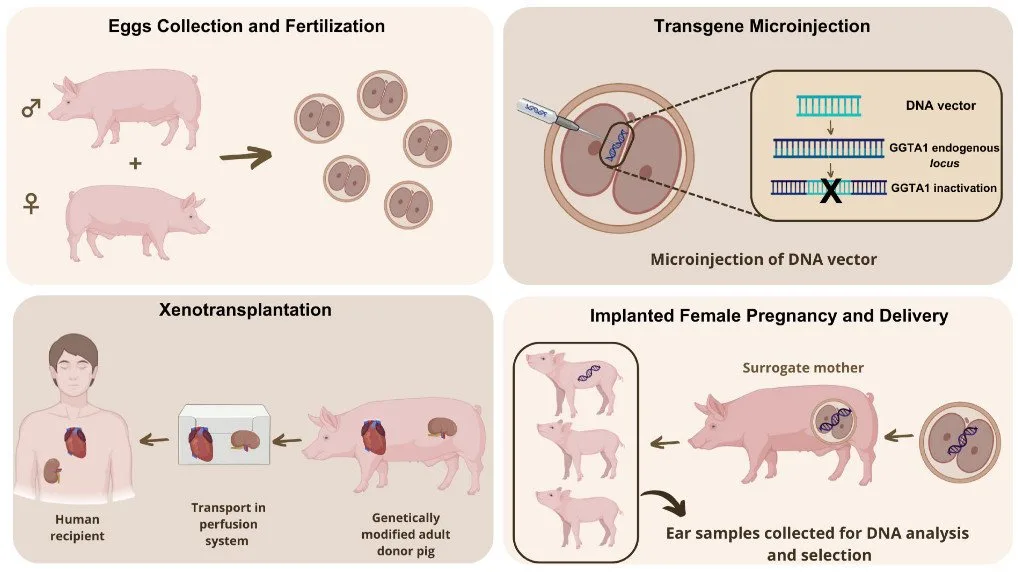
Pigs for Organ Transplant
Scientists are modifying pigs so their organs can be transplanted into humans.
This field is called xenotransplantation.
In recent years, pig organs have been experimentally transplanted into human patients, showing major progress.
Genetic Engineering Appraisal Committee (GEAC)
In India, GMO-related approvals are handled by the Genetic Engineering Appraisal Committee (GEAC).
Genetic Engineering Appraisal Committee works under the Ministry of Environment, Forest and Climate Change.
Its responsibilities include:
- Reviewing GMO research
- Approving field trials
- Monitoring environmental safety
- Granting release approvals
GEAC examines whether GM crops are safe for the environment.
GMO Status in India
India has taken a cautious approach toward GM crops.
Bt Cotton in India
Bt cotton was approved in 2002.
It became highly popular among Indian farmers.
By 2014, around 95–96% of India’s cotton farming used Bt cotton.
India became one of the world’s largest cotton producers.
Bt cotton remains the only GM crop commercially approved in India.
GM Mustard
DMH-11 mustard was developed by scientists from University of Delhi.
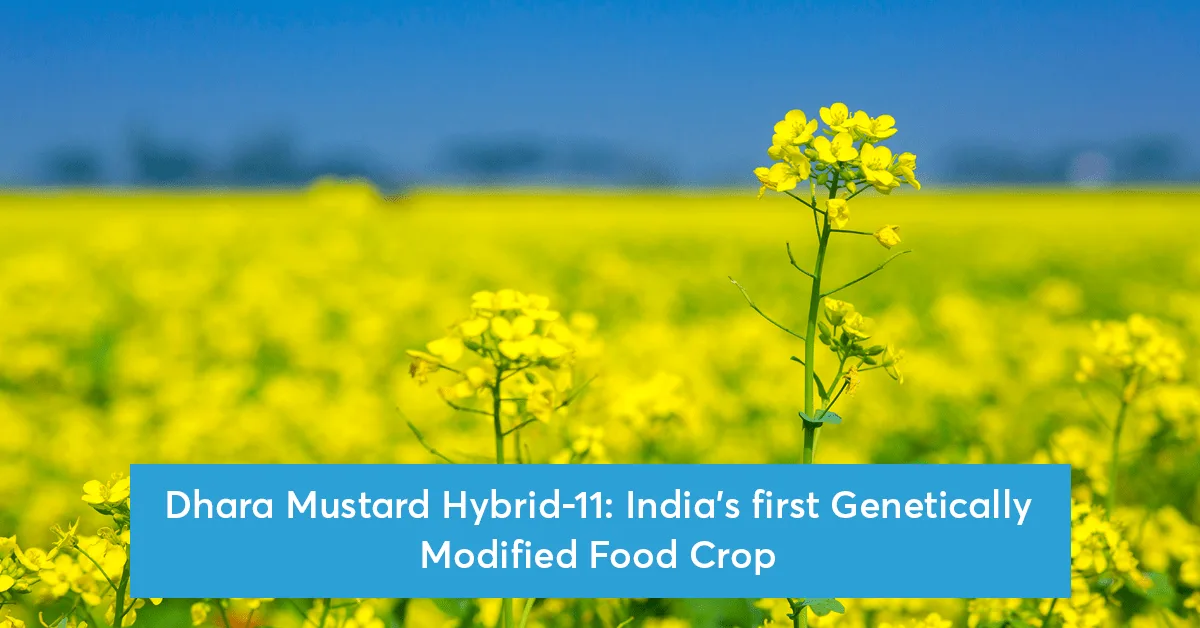
It is designed to increase mustard production.
The crop received environmental clearance from GEAC, but legal and public debates continue.
Current Update (2026)
In 2025–2026, India has increased discussions on:
- Gene-edited rice
- Climate-resilient crops
- CRISPR-based agriculture
- Oilseed self-sufficiency through GM mustard
The government is also encouraging research on gene-edited crops, which differ slightly from traditional GM crops because they may not involve inserting foreign DNA.
This is becoming an important topic in Indian agriculture.
Bt Brinjal
Bt brinjal was recommended in 2007.
However, India placed a moratorium in 2010 due to public concerns.
Commercial cultivation is still not allowed.
Regulatory Framework in India
GMOs are regulated under several laws.
Environment Protection Act, 1986
Main law for GMO regulation.
Biological Diversity Act, 2002
Protects biological resources and ensures fair benefit sharing.
Plant Quarantine Order, 2003
Regulates GMO import and export.
Food Safety and Standards Act, 2006
The Food Safety and Standards Authority of India checks safety of GM food.
International Agreements Related to GMO
Convention on Biological Diversity (CBD)
A global treaty to protect biodiversity.
Cartagena Protocol on Biosafety
Regulates movement of living modified organisms between countries.
Nagoya Protocol
Ensures fair sharing of benefits from genetic resources.
Concerns Related to GMO
Although GMO has many benefits, concerns also exist.
Environmental Risks
GM crops may affect ecosystems.
Cross-pollination with wild plants can create unexpected effects.
Biodiversity Loss
Overuse of a few GM crops may reduce traditional crop diversity.
Health Concerns
Some people worry about long-term health effects.
Current approved GMO foods undergo safety testing, but debates continue.
Corporate Monopoly
Large companies often own GMO patents.
This may increase farmers’ dependence on seed companies.
Consumer Choice
Many people want clear labeling of GMO foods.
They believe consumers should know what they eat.
Impact on Small Farmers
Expensive seeds can create financial pressure.
This is a major concern in developing countries.
Ethical Issues
Some people question whether humans should modify animal or plant genes.
Future of GMO
The future of GMO is closely linked with:
- Food security
- Climate change
- Medical innovation
- Sustainable farming
Gene-editing technologies like CRISPR-Cas9 are making genetic modification faster and more accurate.

Scientists are now working on crops that can:
- Survive extreme weather
- Use less water
- Need fewer chemicals
- Provide better nutrition
Way Forward
To use GMO responsibly, these steps are important:
Strong Safety Testing
Every GMO must be carefully tested before approval.
Transparent Labeling
Consumers should know whether products contain GM ingredients.
More Research
Scientists need long-term studies on health and environmental effects.
Public Awareness
People should understand both benefits and risks.
Sustainable Agriculture
GMO should support eco-friendly farming rather than harm nature.
Genetically Modified Organism (GMO) is one of the most important scientific developments of modern biotechnology. It has the power to improve agriculture, medicine, and food security. At the same time, proper regulation, safety testing, and public trust are essential to ensure its responsible use.
FAQs
Q1. What is a Genetically Modified Organism (GMO)?
A Genetically Modified Organism (GMO) is a plant, animal, or microorganism whose DNA is changed using genetic engineering to add useful traits.
Q2. Why are GM crops created?
GM crops are created to improve crop yield, resist pests, tolerate drought, and increase nutritional value.
Q3. What is Bt cotton?
Bt cotton is a genetically modified cotton crop that contains a gene from Bacillus thuringiensis bacteria to protect against insect pests.
Q4. Is GMO food safe to eat?
Approved GMO foods go through safety testing before release. However, scientists continue studying long-term effects.
Q5. Which is the only GM crop approved in India?
Bt cotton is currently the only genetically modified crop approved for commercial cultivation in India.
Q6. What is GEAC?
Genetic Engineering Appraisal Committee is the Indian authority that reviews and approves GMO-related activities.
Q7. What is CRISPR technology?
CRISPR-Cas9 is a modern gene-editing tool used to make precise changes in DNA.
Q8. What are the benefits of GMO?
Benefits include higher production, better nutrition, disease resistance, and reduced pesticide use.
Q9. Why do some people oppose GMOs?
Concerns include environmental risks, health effects, biodiversity loss, and corporate control over seeds.
Q10. What is GM mustard?
GM mustard is a genetically modified mustard variety developed to improve productivity and reduce edible oil imports in India.