
Vanjeevi Didi Initiative: Empowering Women to Protect Forests and Wildlife in Jharkhand

The Vanjeevi Didi Initiative marks a meaningful step towards community-led conservation in India. Launched at the Palamu Tiger Reserve in Jharkhand, this programme focuses on empowering local women to become active protectors of forests and wildlife. Rolled out by the south division of the reserve, the initiative is designed to strengthen grassroots awareness and encourage communities to take responsibility for conserving biodiversity.
Thank you for reading this post, don't forget to subscribe!By placing women at the centre of conservation, the Vanjeevi Didi Initiative recognises their influence within households and villages. It aims to build trust between forest authorities and local people while addressing threats such as poaching, deforestation, and habitat degradation from within the community itself.
Women as the Heart of Conservation Efforts
At the core of the Vanjeevi Didi Initiative are women selected from villages surrounding the tiger reserve. A total of 18 educated women have been chosen from each of the 17 identified villages, making them official “Vanjeevi Didis.” Many of these women are college graduates or are currently pursuing higher education, while others bring experience in community work and environmental awareness.
These women are expected to act as forest ambassadors. Their role goes beyond awareness campaigns. They engage directly with families and neighbours, encouraging them to avoid activities that harm forests and wildlife. Forest officials believe that women, as key decision-makers in households, can effectively influence attitudes and behaviour. When women speak against illegal hunting or tree cutting within families, their words often carry lasting impact.

Reaching Remote and Hinterland Villages
The initiative was formally launched on February 17 in the Garu range of the reserve. Several participating villages, such as Henar, Surkumi, Hasua, Armu, Kotam, and Pandra, are located in remote hinterland areas. These regions often remain disconnected from mainstream development programmes, despite having a strong presence of educated youth, especially women.
By focusing on these villages, the Vanjeevi Didi Initiative ensures that conservation efforts are inclusive and reach areas where forest offences are more likely to originate. Officials have observed that many cases of poaching or illegal resource use begin within local communities due to economic pressure or lack of awareness. Empowering women from these villages creates a form of social responsibility and peer influence that discourages harmful practices.
Creating Awareness from Within Communities
One of the strongest aspects of the Vanjeevi Didi Initiative is its community-driven approach. Instead of relying only on enforcement, the programme builds social deterrence. Vanjeevi Didis are encouraged to talk openly about the importance of forests, wildlife protection, and long-term benefits of conservation.
They explain how healthy forests support livelihoods, regulate climate, and protect water sources. By sharing this knowledge in simple, relatable language, they help communities understand that conservation is not an external rule but a shared responsibility. This approach also reduces conflict between forest authorities and villagers, as communication becomes more transparent and trust-based.
Incentives and Support for Vanjeevi Didis
To support their efforts, each Vanjeevi Didi receives a monthly incentive of Rs 3,000. The initiative is currently planned for an initial period of two months. After this phase, its performance will be reviewed by forest officials. A proposal has also been submitted to the state forest department seeking formal approval and financial backing to continue and expand the programme.
The incentive is not only financial support but also recognition of the women’s role in conservation. It motivates them to remain actively involved while balancing household and community responsibilities.
Expanding Roles Beyond Wildlife Protection
The responsibilities of Vanjeevi Didis extend beyond forest and wildlife protection. They also play an important role in social development within their villages. The women provide basic educational support, encourage school enrolment, and spread awareness about government welfare schemes and employment opportunities.
In many ways, the initiative functions as a bridge between government systems and local communities. It draws inspiration from models such as Sakhi Mandals and para-legal volunteers, where trained local women act as information carriers and problem solvers at the grassroots level. This multi-dimensional role strengthens the overall impact of the programme.
Linking Conservation with National Goals
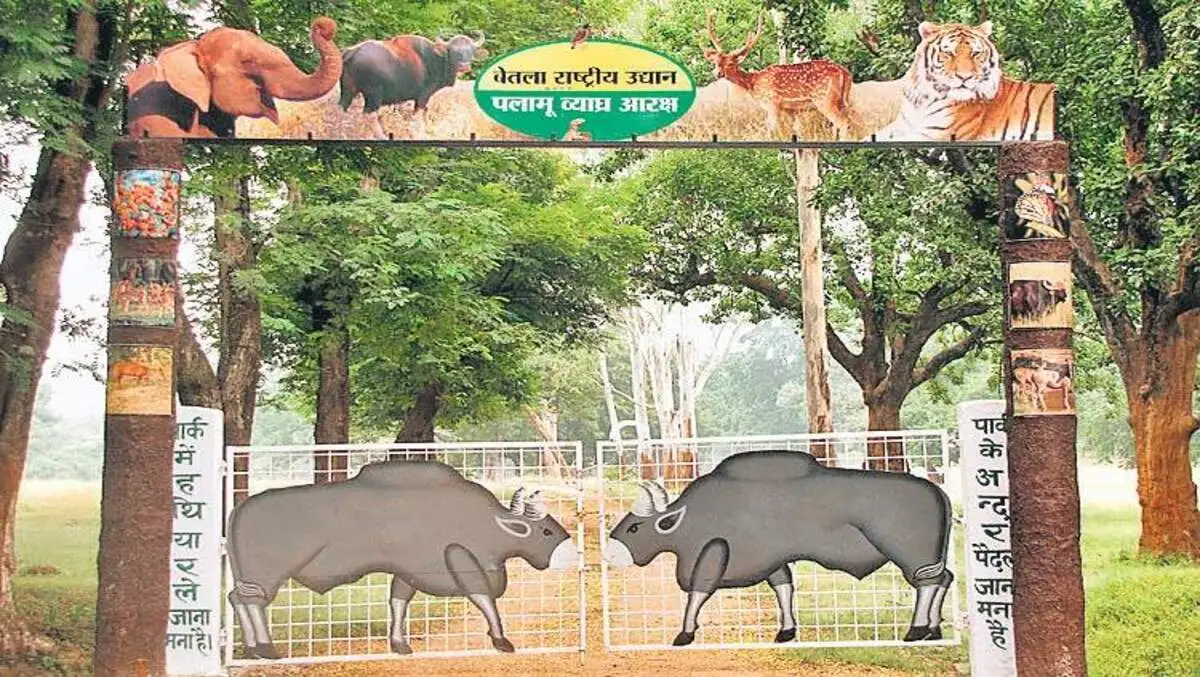
The Vanjeevi Didi Initiative aligns with India’s broader conservation efforts. The Palamu Tiger Reserve is part of Project Tiger, which aims to protect the Bengal tiger and its habitat. By promoting community participation, the initiative supports sustainable coexistence between people and wildlife.
Such eco-development approaches help reduce dependency on forest resources by offering alternative knowledge, awareness, and support systems. When communities feel included in conservation planning, they are more likely to protect forests rather than exploit them.
A Community-Centred Path Forward
The Vanjeevi Didi Initiative reflects a growing shift in conservation thinking. It shows that protecting forests and wildlife is not only about strict laws but also about empowering people. By placing educated and motivated women at the forefront, the programme builds long-term stewardship of natural resources.
As these women inspire change within their families and villages, the impact of the initiative is likely to extend far beyond the boundaries of the Palamu Tiger Reserve. It represents a hopeful model where conservation, education, and community development move forward together, guided by local voices and shared responsibility.