Goa Ocean Science Congress 2026 Highlights Global Focus on Ocean Health and Blue Economy

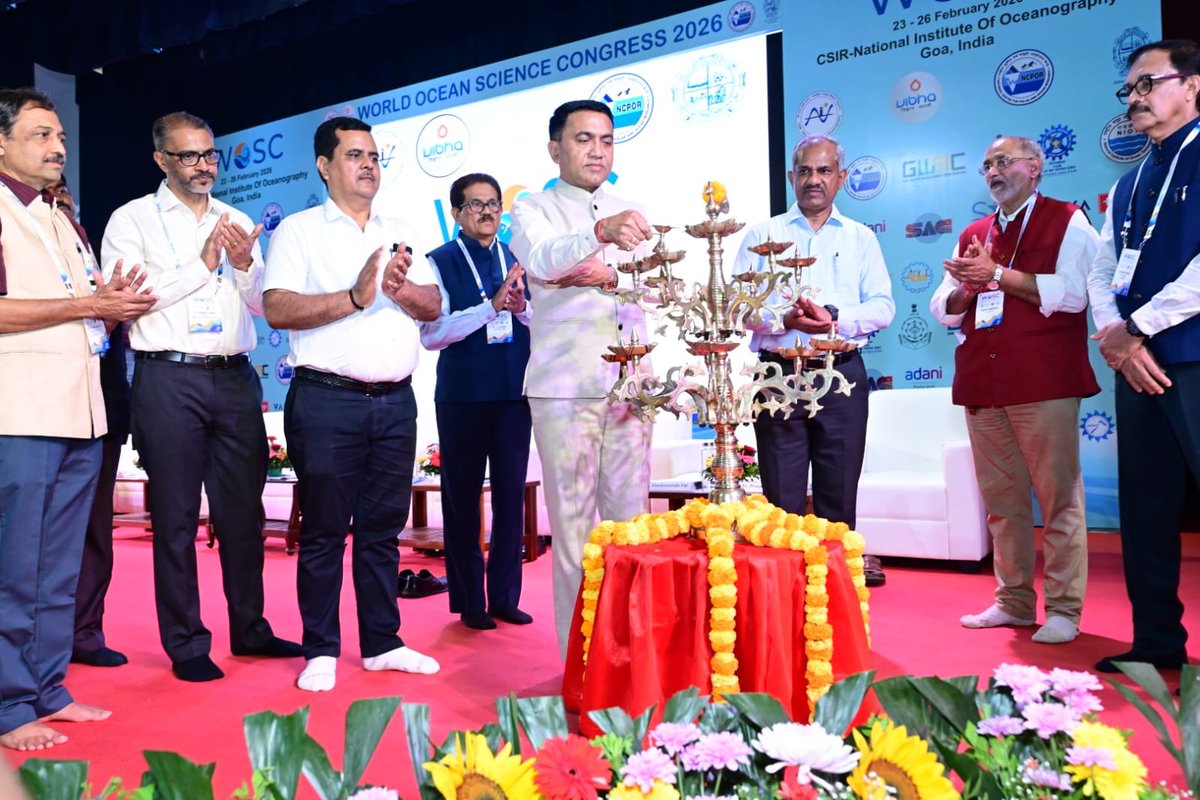
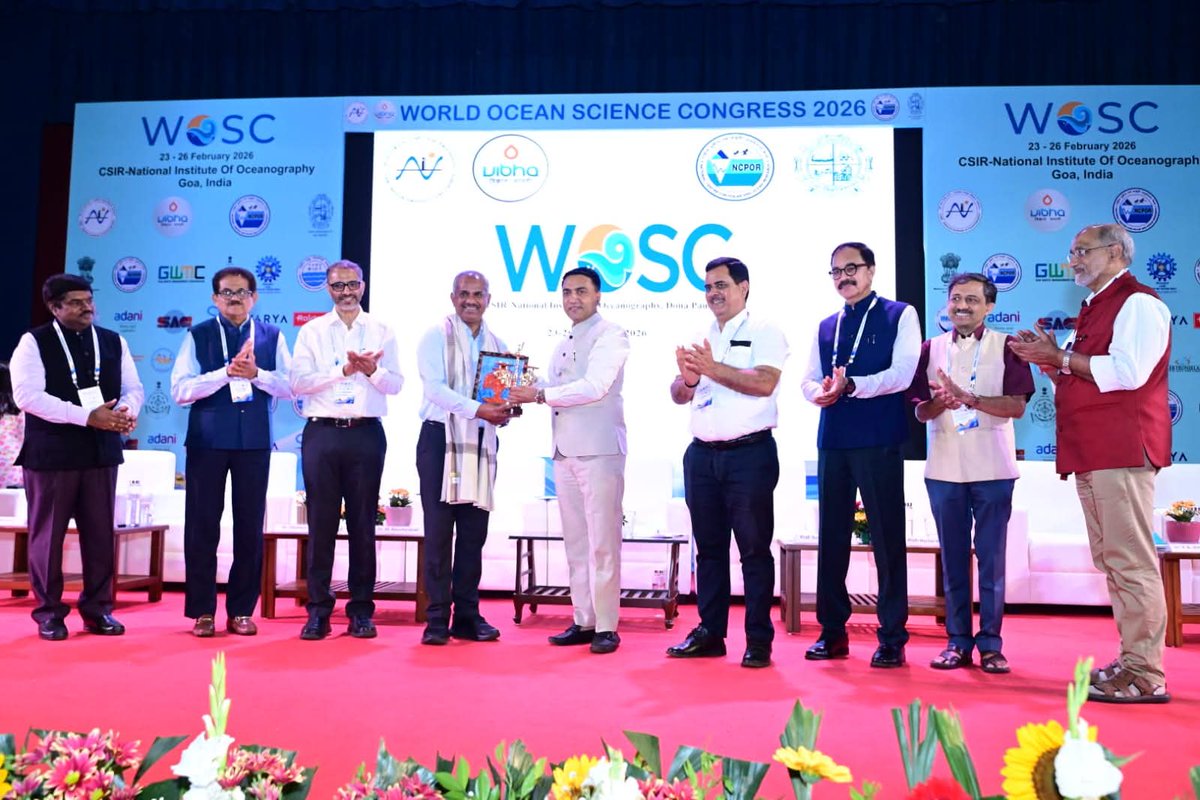
Goa Ocean Science Congress 2026 has positioned the coastal state as a global meeting point for ideas, science, and cooperation around the future of the world’s oceans. The fourth edition of the World Ocean Science Congress is being hosted in Goa, drawing scientists, policymakers, industry leaders, students, and coastal communities to discuss some of the most urgent ocean-related challenges of our time. The event is taking place at the National Institute of Oceanography in Panaji and runs until February 26.
Thank you for reading this post, don't forget to subscribe!A Global Platform in a Coastal State
The Goa Ocean Science Congress 2026 reflects the growing importance of oceans in shaping climate, economies, and livelihoods. Speaking at the opening session, Goa Chief Minister Pramod Sawant highlighted that scientific thinking is deeply rooted in Goa’s social and cultural fabric. He also referred to the state’s long maritime history, which has connected Goa to global trade and knowledge networks for centuries.
Goa’s location along the western coast of India makes it a natural host for such a congress. With a coastline stretching about 193 kilometres, the sea plays a central role in the state’s fisheries, tourism, and maritime activities. Hosting an international ocean science event further strengthens Goa’s identity as a hub for marine research and coastal innovation.

Oceans and Everyday Life
One of the key messages emerging from the congress is that oceans are not distant or abstract systems. Nearly three-fourths of the Earth’s surface is covered by water, and a large share of India’s population lives in coastal regions. For millions of people, the ocean is a direct source of food, income, and cultural identity.
At the Goa Ocean Science Congress 2026, speakers stressed that oceans influence weather patterns, regulate climate, and support biodiversity. Any damage to marine ecosystems has a direct impact on human life. Rising sea levels, coastal erosion, and extreme weather events are already affecting fishing communities and coastal infrastructure across the world.
By bringing together science and lived experience, the congress aims to ensure that research outcomes lead to real solutions on the ground.
Strong Institutional Partnerships
The congress is jointly organised by leading Indian institutions, including the National Institute of Oceanography, the National Centre for Polar and Ocean Research, and Goa University. These organisations have long been at the forefront of marine and climate research in India.
Earlier editions of the World Ocean Science Congress were hosted in Indian coastal cities such as Visakhapatnam, Kochi, and Chennai. Each edition has built on the last, expanding participation and deepening discussions on ocean sustainability.
In Goa, the focus is strongly on collaboration, with researchers from different disciplines working alongside government agencies and industry representatives.
Innovation Driving Ocean Research
A major theme at the Goa Ocean Science Congress 2026 is the role of technology in understanding and protecting the oceans. Sessions are exploring advances in ocean observation systems, climate modelling, artificial intelligence, and the use of autonomous underwater vehicles.
Institutions like the National Institute of Oceanography are leading work in areas such as marine biotechnology and seabed exploration. These efforts not only help in understanding marine life and geology but also support sustainable resource use.
During the event, attention was also drawn to the commissioning of a pollution control vessel built in Goa for the Indian Coast Guard. This development highlights how local industry and scientific expertise can contribute to national maritime safety and environmental protection.
Ocean Health and the Blue Economy
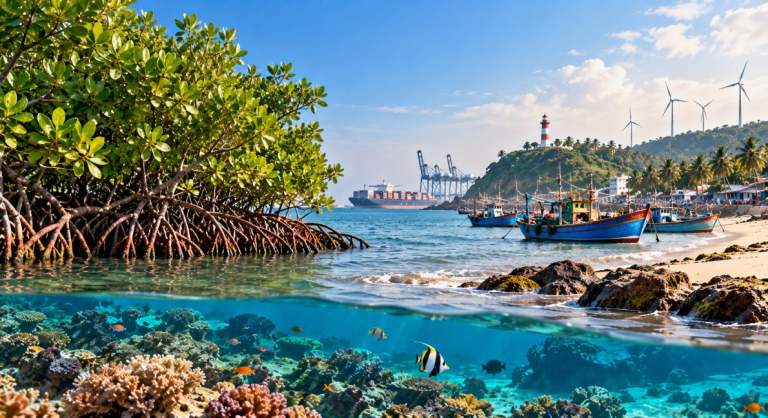
The congress places strong emphasis on ocean health and the idea of a sustainable blue economy. The blue economy refers to the responsible use of ocean resources to support economic growth, jobs, and livelihoods while preserving marine ecosystems.
Discussions at the Goa Ocean Science Congress 2026 cover marine biodiversity, coastal hazard management, and strategies to reduce pollution. Speakers have pointed out that oceans are under increasing pressure from plastic waste, overfishing, and changing climate patterns.
Chief Minister Pramod Sawant noted that economic growth linked to the ocean must be guided by science and environmental responsibility. Protecting marine ecosystems is closely connected to national security, food security, and long-term economic stability.
Engaging Communities and Young Minds
An important feature of the congress is its effort to connect science with people. Special sessions include a fishermen’s meet, where traditional knowledge and modern research come together. These interactions help scientists understand local challenges while giving communities access to new ideas and technologies.
The event also includes interactive programmes for around 600 high school students. By involving young people, the Goa Ocean Science Congress 2026 aims to inspire the next generation of marine scientists, policymakers, and environmental stewards.
Workshops, exhibitions, and open lectures create a space where complex scientific ideas are shared in an accessible way. This approach strengthens trust between institutions and communities and encourages wider public participation in ocean conservation.
Strengthening India’s Ocean Vision
India has a vast coastline of more than 7,500 kilometres, including its island territories. Institutions based in Goa play a key role in shaping national ocean policy and research priorities. Coastal regulation, maritime preparedness, and climate resilience are all linked to how well science informs decision-making.
By hosting the World Ocean Science Congress, Goa reinforces India’s commitment to sustainable ocean management. The Goa Ocean Science Congress 2026 stands as a reminder that oceans connect nations, disciplines, and generations, and that their protection requires shared responsibility and continuous dialogue.