


Ladakh New Districts: Major Administrative Expansion Approved

Ladakh New Districts mark a big step in improving governance as Lieutenant Governor Vinai Kumar Saxena approved the creation of five new districts. This decision answers a long-pending demand of local people and aims to make administration more effective in this remote border region of Ladakh.
Thank you for reading this post, don't forget to subscribe!Five New Districts in Ladakh New Districts Plan
Under the Ladakh New Districts move, Nubra, Sham, Changthang, Zanskar and Drass have been declared as new districts. Earlier, only Leh and Kargil existed. With this change, Ladakh will now have seven districts, making governance more local and accessible.
Why Ladakh New Districts Matter
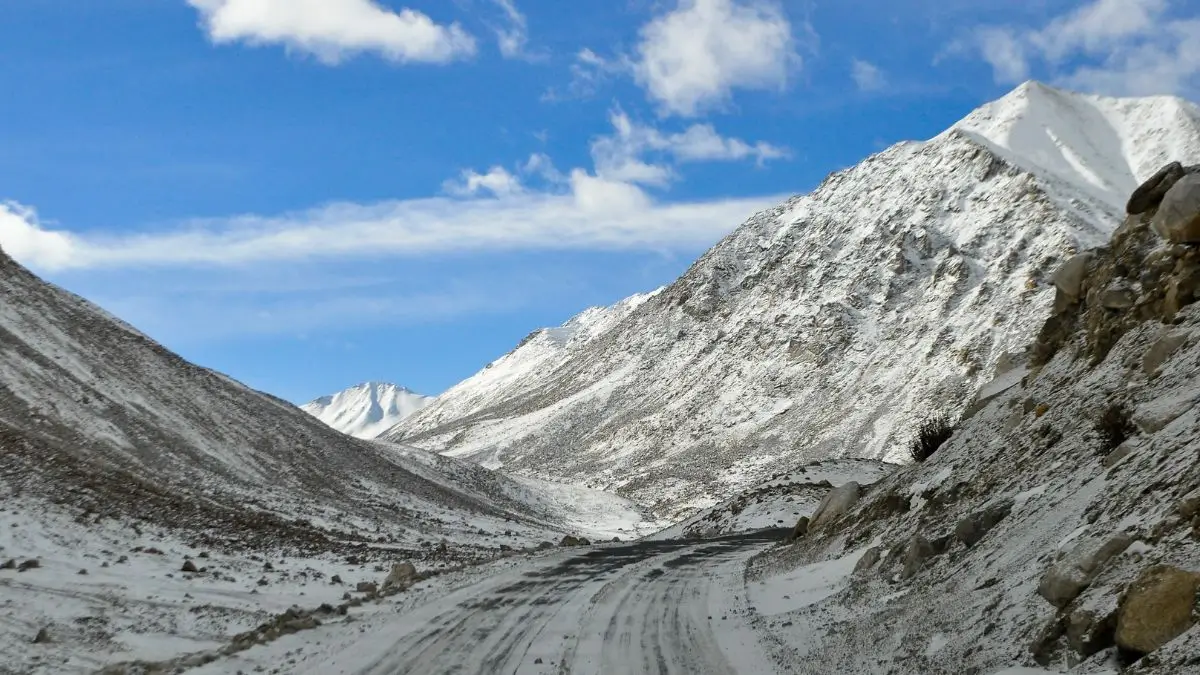
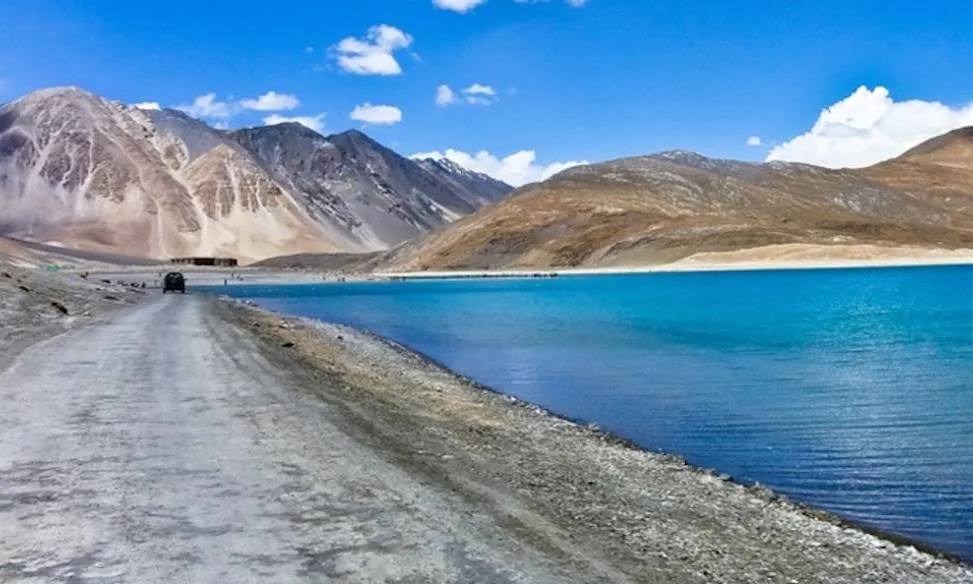
Ladakh is the largest Union Territory in India, covering around 86,904 sq km, but it has a small population. Due to its harsh terrain and remote villages, delivering services has always been difficult. The Ladakh New Districts plan will help bring government services closer to people living in far-off areas.
Administrative and Strategic Importance
The decision for Ladakh New Districts was approved earlier by the Ministry of Home Affairs under the leadership of Amit Shah. These new districts are expected to improve governance at the grassroots level, create job opportunities, and support local businesses. It also strengthens India’s presence in a sensitive border region.
Key Regions in Focus: Ladakh New Districts
Drass, part of the Ladakh New Districts plan, is known as one of the coldest inhabited places in the world. Changthang is a high-altitude area famous for Pashmina wool and nomadic communities. These regions will now get more focused administrative attention.
Political Background and Future Impact
Ladakh became a separate Union Territory on 31 October 2019 after changes linked to Article 370. Since then, it has been under direct control of the central government. The Ladakh New Districts move is expected to improve local participation, speed up development, and strengthen India’s strategic position near borders with China and Pakistan.