



Drosicha turkistanica Raises Kashmir Pest Alert

Drosicha turkistanica has raised fresh concerns over the health of poplar and willow plantations in Jammu & Kashmir after the invasive sap-sucking insect was identified in parts of South Kashmir. The pest has been reported from Hanjipora in Pulwama district and areas of Kulgam and Anantnag. Scientists identified the insect after field samples were collected from the Mountain Research Centre for Field Crops at Khudwani and examined by the National Bureau of Agricultural Insect Resources in Bengaluru.
Thank you for reading this post, don't forget to subscribe!Pest Identified in South Kashmir
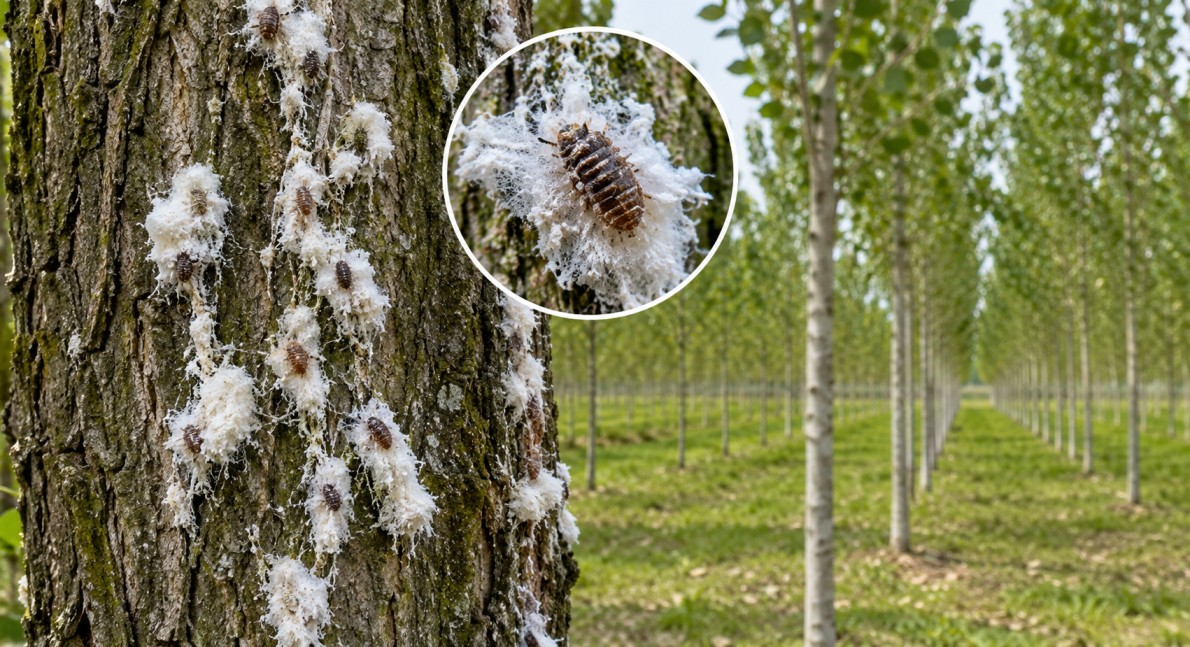
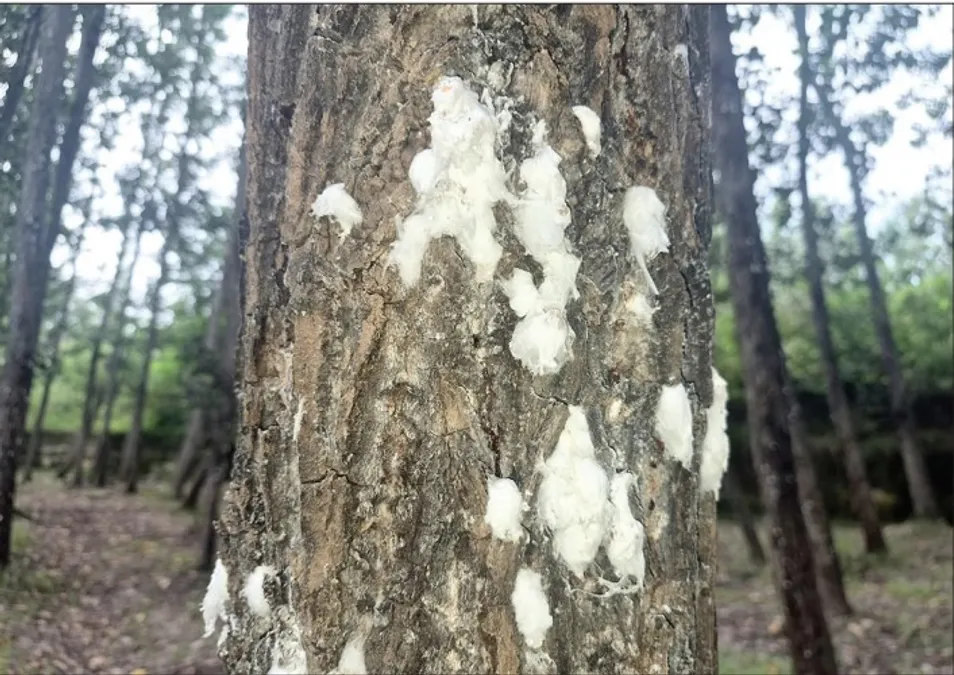
The discovery has drawn attention because poplar and willow trees are important in Kashmir’s rural economy. These trees are widely planted for timber, plywood and farm forestry. Farmers had noticed unusual snow-white, cotton-like material on the trunks of some trees nearly two years ago. The signs were initially thought to be related to a fungal infection.
Further investigation showed that the white masses were linked to an insect infestation. Scientific identification was important because different pests can require different management methods. Correct identification can help agricultural authorities decide how to monitor the affected plantations and prevent the insect from spreading to new areas.
What Is Drosicha turkistanica?
Drosicha turkistanica belongs to the order Hemiptera and the family Monophlebidae. Hemiptera is a large group of insects that includes aphids, cicadas, leafhoppers, scale insects and several other plant-feeding species.
Many insects in this group use piercing and sucking mouthparts to feed on plant sap. Long-term sap feeding can place stress on plants, particularly when infestations become heavy. The insects may also affect the growth and overall strength of their host plants.
The identification of Drosicha turkistanica in Kashmir is therefore important for plantation management, especially because poplar and willow trees are grown on a large scale in several parts of the region.
Why Poplar and Willow Matter
Poplar and willow are more than common trees in Kashmir. They form an important part of local farm forestry and provide raw material for timber-based activities. Poplar wood, for example, is used in plywood and other wood products, while willow has several traditional and commercial uses.
Many rural families grow these trees alongside agricultural activities. Since the trees take years to mature, damage caused by a serious pest can have an economic effect that may not be immediately visible.
A pest that weakens young or mature trees through continuous feeding could reduce growth and affect the future value of plantations. This makes early detection particularly important.
Quarantine Becomes Important
One of the major concerns surrounding the insect is how it may have entered the region. Agricultural authorities have pointed to imported planting material as a possible pathway for invasive insects and plant diseases. Nursery plants and other planting materials can sometimes carry pests that are difficult to notice during routine handling.
Quarantine is therefore an important part of plant protection. Inspection of nursery stock, monitoring of plantations and proper identification of unusual insects can help prevent an invasive species from spreading to new areas.
The movement of plants between regions is common in modern agriculture and horticulture, but it also creates a need for stronger biosecurity practices. Healthy-looking planting material can sometimes carry insects or eggs that become visible only after the plants are established.
Scientists Warn Against Unplanned Pesticide Use
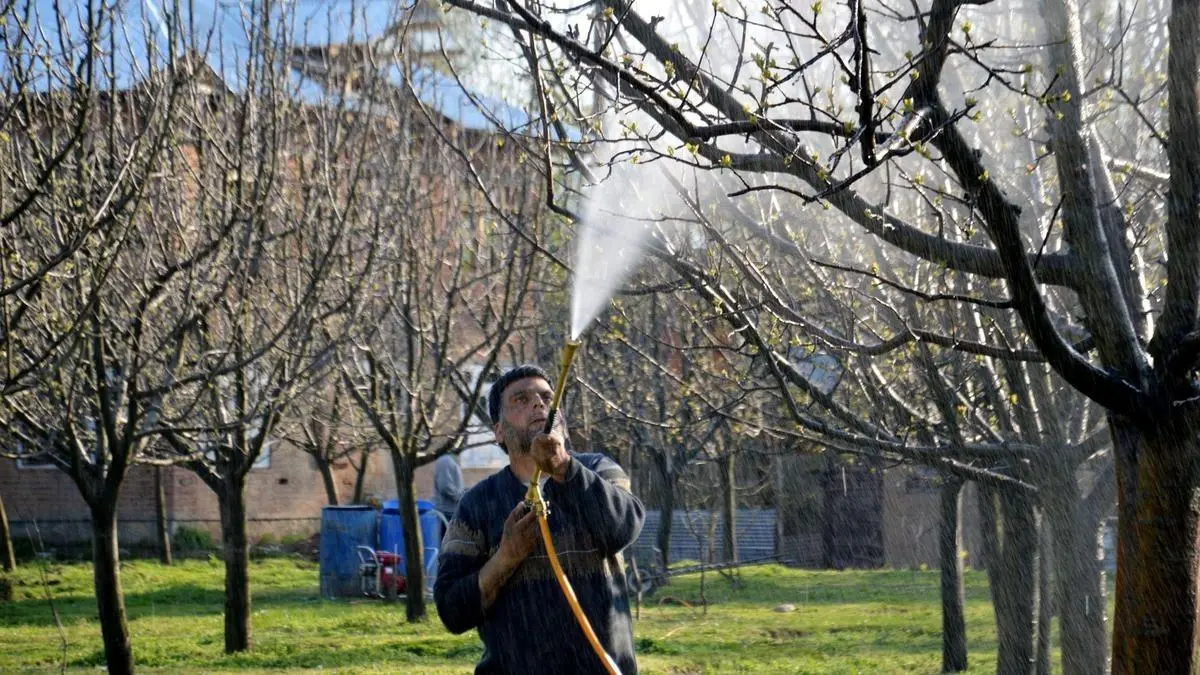
Agricultural experts have also advised caution in dealing with the infestation. Using pesticides without identifying the pest properly may not provide effective control and could create additional environmental problems.
Indiscriminate spraying can affect beneficial insects and other organisms in the surrounding environment. It can also increase chemical exposure and may not address the main source of an infestation.
Instead, experts generally recommend proper identification, regular monitoring and the use of suitable pest-management methods based on scientific assessment. The exact control strategy can depend on the pest’s life cycle, population level, host plants and local environmental conditions.
Potential Impact on Kashmir’s Plantations
The presence of Drosicha turkistanica in South Kashmir has increased the need for continued field monitoring. Scientists and agricultural officials can use surveys to determine how widely the insect has spread and which plantations are most affected.
The insect’s reported high reproductive potential is another reason for concern. A growing population could place additional pressure on trees if effective management measures are not introduced at the right time.
For farmers, early reporting of unusual symptoms can be useful. White or cotton-like masses on tree trunks, unexplained weakening of trees and unusual insect activity can be signs that require expert inspection.
Need for Continued Monitoring
The discovery also highlights the wider challenge posed by invasive agricultural pests. Climate, trade, movement of planting material and changes in farming practices can influence the spread of insects into new areas.
For Kashmir’s poplar and willow plantations, regular surveys and scientific identification can help authorities understand the current situation. Monitoring can also help determine whether the insect remains concentrated in the reported areas or is appearing in additional districts.
As agricultural researchers continue to study the pest, quarantine checks, responsible movement of planting material and timely reporting could become important tools for protecting the region’s tree plantations and the rural livelihoods connected with them.