




Himalayan Brown Bear: Rising Human-Wildlife Conflict in the High Himalayas

The Himalayan Brown Bear (Ursus arctos isabellinus) has recently drawn global attention after an attack on Pakistani singer Quratulain Balouch in Deosai National Park, Gilgit-Baltistan. The incident highlights the escalating human-bear conflicts in the fragile Himalayan ecosystem. Experts suggest that the rise in such encounters is primarily linked to habitat loss, climate change, and improper waste management near human settlements. As one of the most powerful predators and an ecological indicator species, the Himalayan Brown Bear now faces a mounting survival challenge due to the warming climate and expanding human presence across the region.
Thank you for reading this post, don't forget to subscribe!Ecology and Distribution
The Himalayan Brown Bear is among the least studied subspecies of brown bears compared to its North American and European relatives. This magnificent creature primarily inhabits the alpine and sub-alpine regions of the north-western and western Himalayas, covering parts of India, Pakistan, Nepal, and Tibet. In India, it is mostly found in Ladakh, Himachal Pradesh, and Uttarakhand.
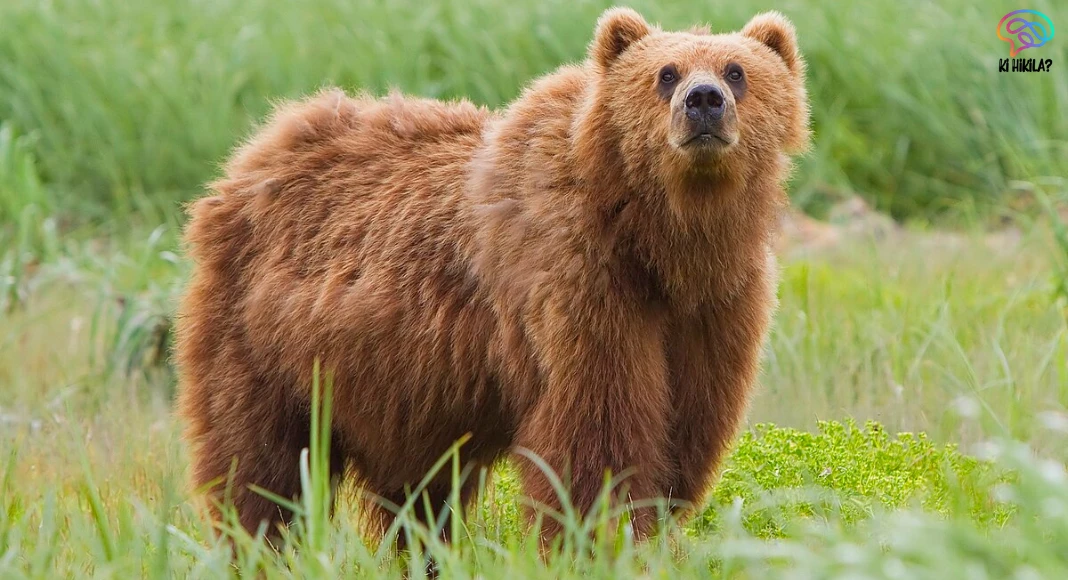
The population of the Himalayan Brown Bear continues to decline, mainly because of habitat fragmentation caused by deforestation, road construction, and human land expansion. The bear thrives in remote, low-disturbance areas, but shrinking forest cover and overgrazing have pushed it closer to human settlements. This increasing overlap of territories has become one of the biggest triggers of conflict in recent years.
Impact of Climate Change
Climate change has emerged as one of the most significant threats to the Himalayan Brown Bear and its delicate mountain ecosystem. The Himalayas are warming at a rate faster than most global regions, with average temperatures expected to rise by up to 3°C by 2100. This warming trend reduces snow cover, alters the availability of vegetation, and disrupts seasonal cycles critical to the bear’s survival.
As snowlines retreat, the Himalayan Brown Bear faces shrinking ranges and food shortages. These conditions extend their foraging period, often forcing the bears to enter human settlements in search of food. Villagers across regions like Zanskar, Lahaul, and Spiti frequently report bears raiding crops, scavenging waste, and attacking livestock. Climate change, therefore, acts as a catalyst intensifying both habitat stress and human-bear encounters.
Human-Bear Conflict Dynamics Involving
Conflicts between humans and the Himalayan Brown Bear have surged across several Himalayan regions, notably Zanskar (Ladakh) and Lahaul Valley (Himachal Pradesh). With natural food sources diminishing, bears often raid villages and livestock pens, seeking easy nutrition. Many have become conditioned to depend on human waste, crops, and garbage dumps, a dangerous behavioral shift that further fuels encounters.
Conflict levels rise sharply during autumn, a critical period known as hyperphagia, when bears consume massive amounts of food to prepare for hibernation and reproduction. Despite the increased frequency of incidents, recent years have seen few human fatalities in these regions thanks to community awareness and early warning efforts. However, economic losses from livestock predation and property damage remain significant, particularly for marginal Himalayan communities.
Community Responses and Coexistence with the Himalayan Brown Bear
The response of local communities to Himalayan Brown Bear encounters has evolved over time. Villagers report frequent bear sightings and incidents of livestock losses, especially near pastoral zones. Limited knowledge of bear behavior, coupled with unregulated grazing practices, often worsens the problem.
Experts recommend several community-driven measures, such as:
- Improving waste management systems to reduce food attractants.
- Regulating grazing and restricting livestock access in bear-dense areas.
- Creating village watch groups for early warnings and coordinated responses.
- Encouraging eco-tourism initiatives that promote coexistence and conservation awareness.
Such initiatives not only protect human livelihoods but also enhance the survival chances of the Himalayan Brown Bear. Integrating these measures with climate change mitigation strategies ensures a long-term balance between development and biodiversity conservation.
Conservation Challenges for the Himalayan Brown Bear
Protecting the Himalayan Brown Bear requires more than isolated conservation zones. The challenges are multi-dimensional, involving limited ecological data, fragmented habitats, and climate pressures. Traditional conservation strategies focusing solely on land protection are no longer sufficient. Scientists advocate for incorporating climate adaptation frameworks into existing wildlife management policies.
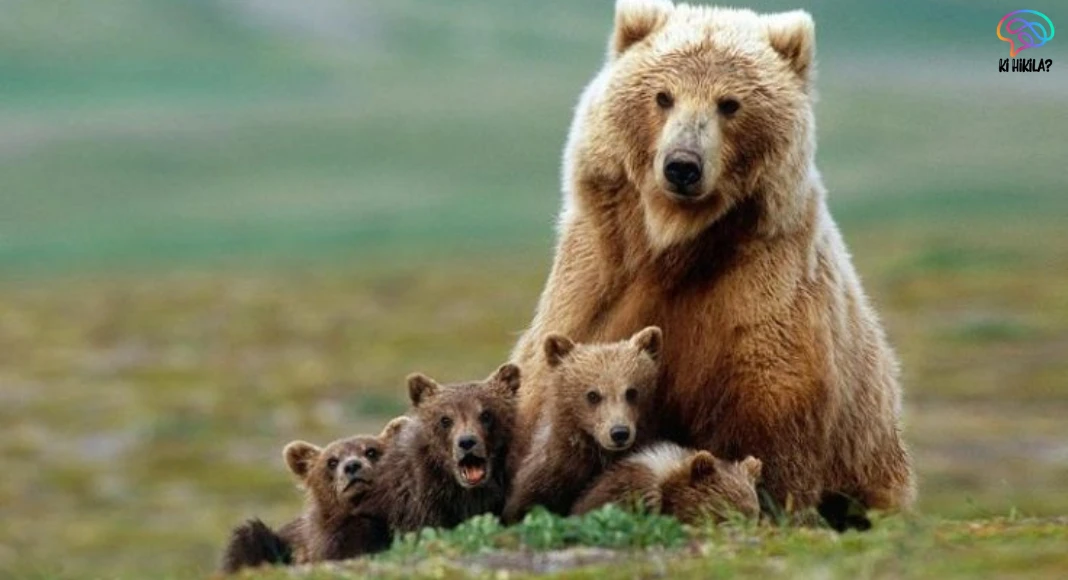
Several key measures can help strengthen conservation efforts:
- Establishing protected corridors that connect isolated bear populations.
- Promoting sustainable land-use practices to limit human encroachment.
- Enhancing scientific research to fill knowledge gaps about bear migration, breeding, and feeding habits.
- Engaging local communities in participatory conservation and education programs.
By blending modern conservation science with community-based stewardship, authorities can better secure the future of the Himalayan Brown Bear a species that not only symbolizes Himalayan wilderness but also serves as a vital indicator of the region’s ecological health.
The Path Forward for the Himalayan Brown Bear
The recent incident in Gilgit-Baltistan serves as a stark reminder of the delicate balance between humans and nature in the Himalayas. As climate change accelerates and human activities continue to expand into wild terrains, the Himalayan Brown Bear finds itself at a crossroads. Protecting this majestic creature is not merely a conservation necessity but a broader commitment to preserving the ecological integrity of the Himalayas.
If effective policies, scientific research, and community engagement come together, the Himalayan Brown Bear can continue to roam the high mountain ranges reminding us of the power and fragility of life in Earth’s highest frontiers.