

UNESCO Natural Sites: 7 Heritage Sites in India

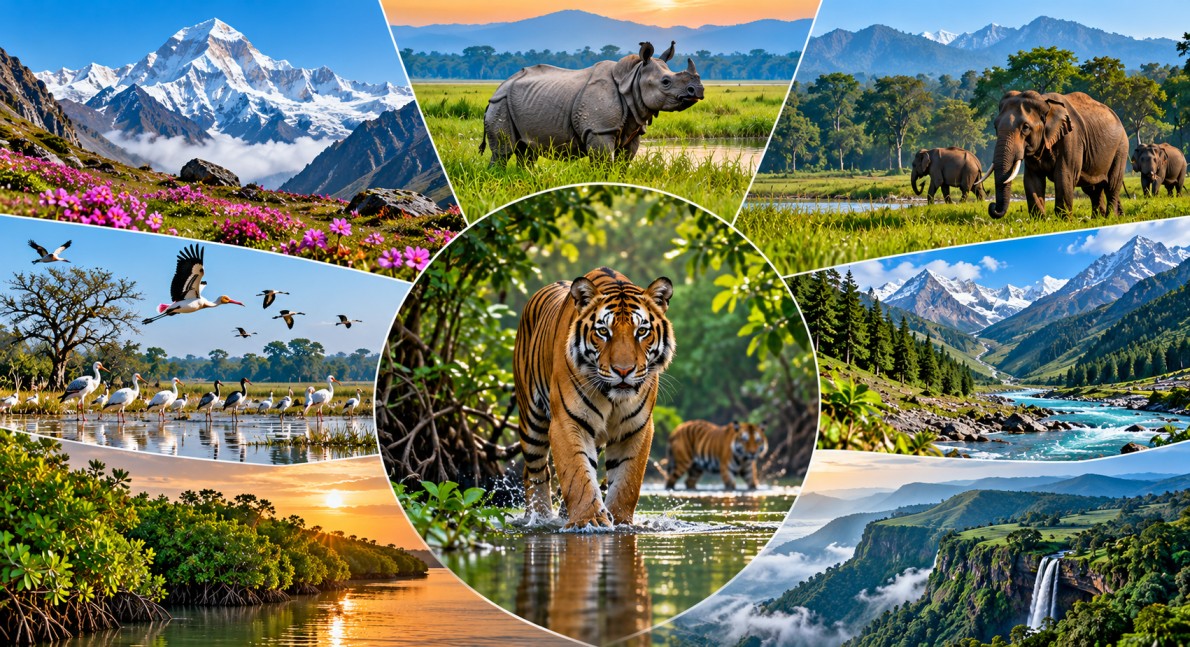
UNESCO Natural Sites in India include seven internationally recognised World Heritage properties that protect some of the country’s most important natural landscapes. These sites range from Himalayan mountains and alpine meadows to tropical forests, river grasslands, wetlands and mangrove ecosystems. Their recognition by UNESCO highlights their global importance for biodiversity, natural beauty and ecological processes. Protecting these places is essential for conserving wildlife, supporting scientific research and maintaining natural habitats for future generations.
What Are UNESCO Natural World Heritage Sites?
UNESCO recognises natural properties for their outstanding natural value. A site may qualify because of its exceptional beauty, important stages in Earth’s history, ecological processes or habitats that support significant biodiversity.

India’s natural heritage sites represent a wide range of environments. Some protect endangered animals, while others are important for rare plants, migratory birds or distinctive mountain ecosystems.
World Heritage status can also encourage conservation and responsible tourism. However, visitor numbers, construction, pollution and other human activities need careful management so that these areas retain the natural qualities for which they were recognised.
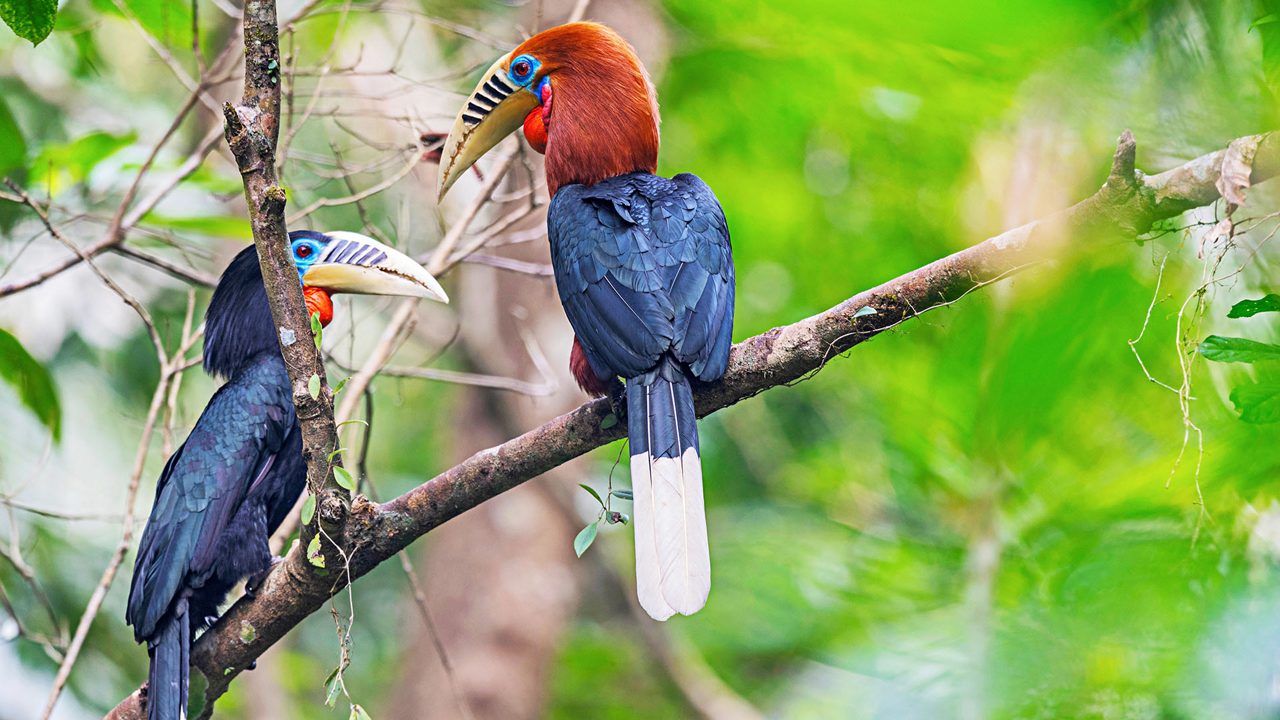
1. Manas National Park, Assam
Manas National Park lies in Assam along the Himalayan foothills near the border with Bhutan. It contains tropical forests, alluvial grasslands and riverine habitats that support a wide variety of wildlife.
Manas was inscribed on the UNESCO World Heritage List in 1985. It is also associated with tiger conservation, elephant protection and the wider Manas Biosphere Reserve.
The park became a World Heritage Site in Danger in 1992 because of poaching and civil unrest. Following conservation and protection efforts, UNESCO removed it from the danger list on 21 June 2011.
Manas provides habitat for several threatened species, including the Bengal tiger, Indian elephant, wild water buffalo, golden langur and pygmy hog. The park is also important for the hispid hare and other wildlife associated with grassland ecosystems.
Its recovery shows the importance of conservation work, effective protection and cooperation among government agencies, local communities and conservation organisations.
2. Kaziranga National Park, Assam
Kaziranga National Park is one of India’s best-known wildlife areas. Located in Assam along the Brahmaputra River, it contains grasslands, wetlands and forests that support many animal species.
UNESCO inscribed Kaziranga in 1985. The park is particularly famous for protecting the world’s largest population of the greater one-horned rhinoceros.
Its landscape changes with the seasons. Annual flooding from the Brahmaputra influences the grasslands and wetlands, helping maintain the ecosystem while also creating challenges for wildlife management.
Kaziranga supports other important species, including Bengal tigers, wild water buffalo and swamp deer. Its wetlands also provide habitat for many birds.
Conservation efforts focus on protecting animals from poaching, maintaining habitat quality and managing the effects of floods and human activity around the park.
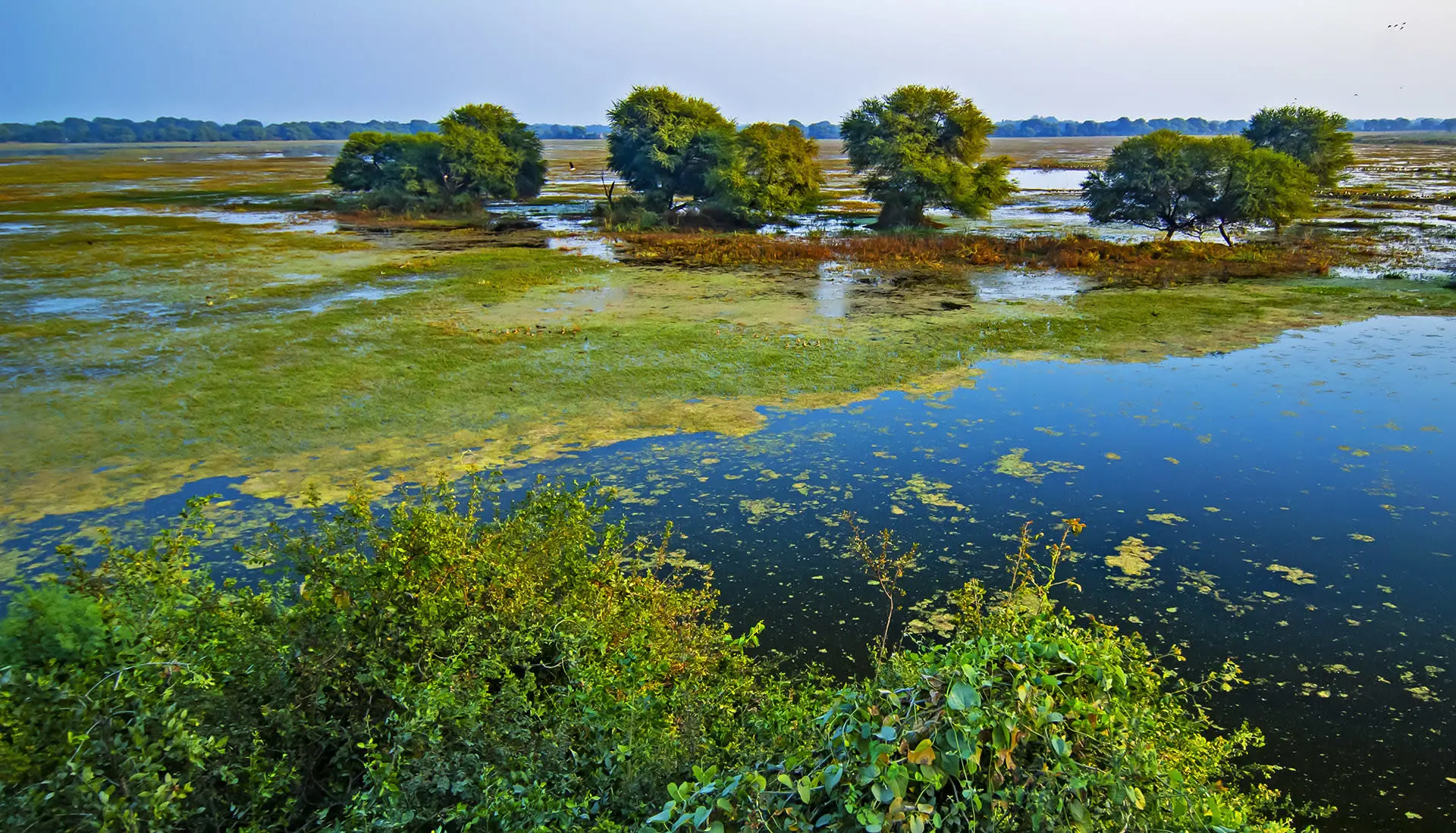
3. Keoladeo National Park, Rajasthan
Keoladeo National Park is located in Bharatpur, Rajasthan. Formerly known as Bharatpur Bird Sanctuary, it was added to the UNESCO World Heritage List in 1985.
Unlike many natural wetlands, Keoladeo is a managed wetland ecosystem. Its water bodies, marshes, grasslands and wooded areas provide feeding and resting places for many bird species.
The park is especially important for migratory birds that travel long distances between breeding and wintering grounds. Birds arriving from parts of Central Asia and other regions use wetlands like Keoladeo to find food and shelter.
Its ecological value depends on suitable water conditions and the availability of safe habitats. Changes in water supply, pollution and disturbance can affect the birds that depend on the park.
Keoladeo demonstrates how wetland management can support biodiversity and why the protection of wetlands is important for migratory wildlife.
4. Nanda Devi and Valley of Flowers National Parks, Uttarakhand
Nanda Devi National Park and the Valley of Flowers are located in the Himalayas of Uttarakhand. Nanda Devi was inscribed as a World Heritage Site in 1988, and the Valley of Flowers was added in 2005.
The region is known for its high mountains, alpine meadows, glaciers and rich plant life. During the flowering season, the Valley of Flowers displays a variety of alpine plants adapted to the short growing season and harsh mountain conditions.
These protected landscapes provide habitat for wildlife such as the snow leopard and Himalayan musk deer. Their remote locations and difficult terrain have helped preserve many natural features.
Climate change, changing snowfall patterns and pressure from tourism can affect high-altitude ecosystems. Carefully managed visits and continued scientific research are important for protecting the region’s natural heritage.
5. Sundarbans National Park, West Bengal
Sundarbans National Park is part of the extensive Sundarbans mangrove ecosystem in West Bengal. UNESCO recognised the national park as a World Heritage Site in 1987.
The wider Sundarbans landscape extends across India and Bangladesh and includes tidal waterways, mudflats, islands and mangrove forests.
Mangroves are specially adapted to coastal conditions where saltwater, tides and changing water levels shape the environment. Their roots can help stabilise shorelines and provide shelter for fish, crabs, birds and other wildlife.
The Sundarbans is also known for its Bengal tiger population, including tigers adapted to life in a tidal mangrove environment. Estuarine crocodiles and many bird species are also found here.
The ecosystem faces challenges from rising sea levels, cyclones, erosion and changes in freshwater flows. Cooperation between India and Bangladesh is important because the wider mangrove landscape crosses the international border.
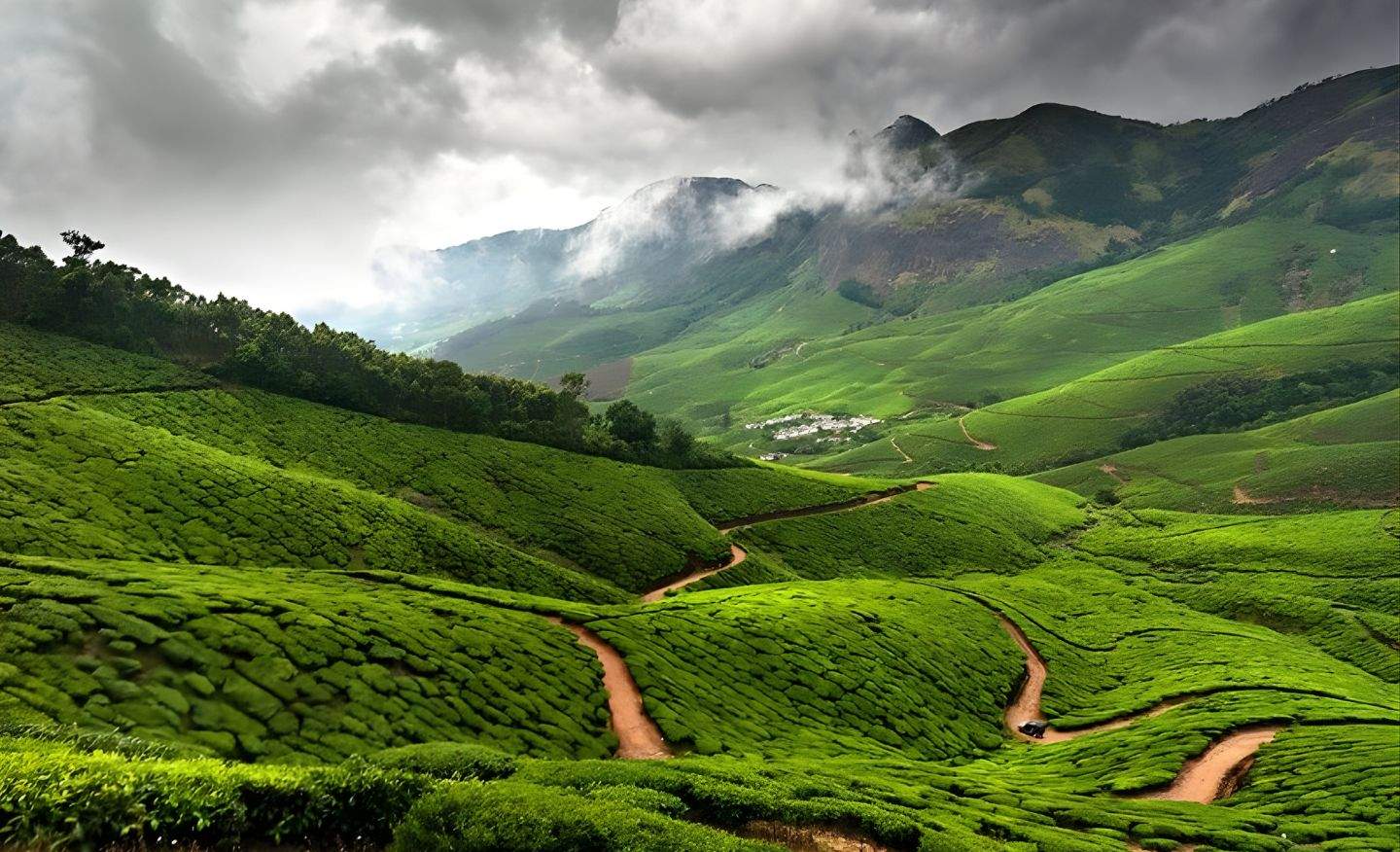
6. Western Ghats
The Western Ghats extend along India’s western side, passing through several states. UNESCO inscribed the Western Ghats as a serial World Heritage property in 2012, covering 39 component parts across seven states.
The region includes tropical evergreen forests, montane grasslands and other habitats with high levels of biodiversity. Many species found here are endemic, meaning they naturally occur in a particular region and may not be found anywhere else.
The Western Ghats support a wide variety of plants, amphibians, reptiles, birds and mammals. Their forests also play an important role in regional water systems by influencing rainfall, streams and river catchments.
Threats include habitat loss, changes in land use, fragmentation and pressure from infrastructure development. Protecting connected habitats is important for allowing wildlife populations to survive and move between suitable areas.
7. Great Himalayan National Park Conservation Area, Himachal Pradesh
The Great Himalayan National Park Conservation Area is located in Himachal Pradesh and was inscribed on the UNESCO World Heritage List in 2014.
The protected landscape includes high mountain peaks, alpine meadows, glacial environments and forests along river valleys. Its wide range of elevations creates habitats for many different plant and animal species.
Wildlife in the wider region includes the snow leopard, blue sheep and Himalayan tahr. The park is also important for mountain forests and other ecosystems that depend on clean water and relatively undisturbed habitats.
The area faces challenges linked to climate change, habitat pressures and the need to manage tourism responsibly. Protecting its ecological character requires continued monitoring, habitat conservation and cooperation with communities living in the surrounding region.
Recent Biodiversity Research in Manas
Manas continues to attract scientific interest because of its rich plant and animal life. A plant identified as Osbeckia assamensis was reported from Manas National Park in the botanical journal Phytotaxa, highlighting the park’s continuing importance for biodiversity research.
Discoveries and new scientific records help researchers understand how much life these ecosystems support. They can also provide useful information for conservation planning, particularly where rare species or specialised habitats need additional protection.
India’s UNESCO Natural Sites show the variety of landscapes that support the country’s biodiversity. Protecting forests, grasslands, wetlands, mangroves and mountain ecosystems requires long-term conservation, careful tourism management and attention to changing environmental conditions.