



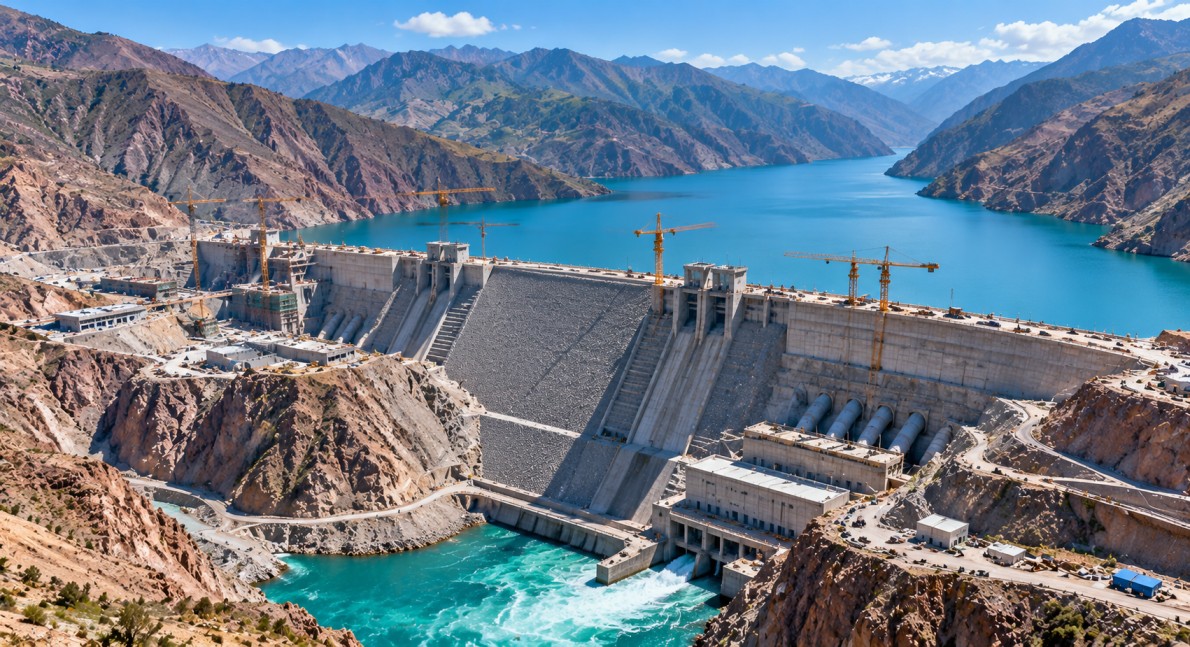
Rogun Dam Nears Record Height

Rogun Dam in Tajikistan is moving closer to becoming the world’s tallest dam, with the massive hydropower project continuing construction on the Vakhsh River. Once completed, the dam is planned to reach 335 metres, a height that would place it at the top of the global list of dams. The project is also expected to become a major source of renewable electricity for Tajikistan and support power trade with neighbouring Central Asian countries.
Thank you for reading this post, don't forget to subscribe!Rogun Dam Targets 335 Metres
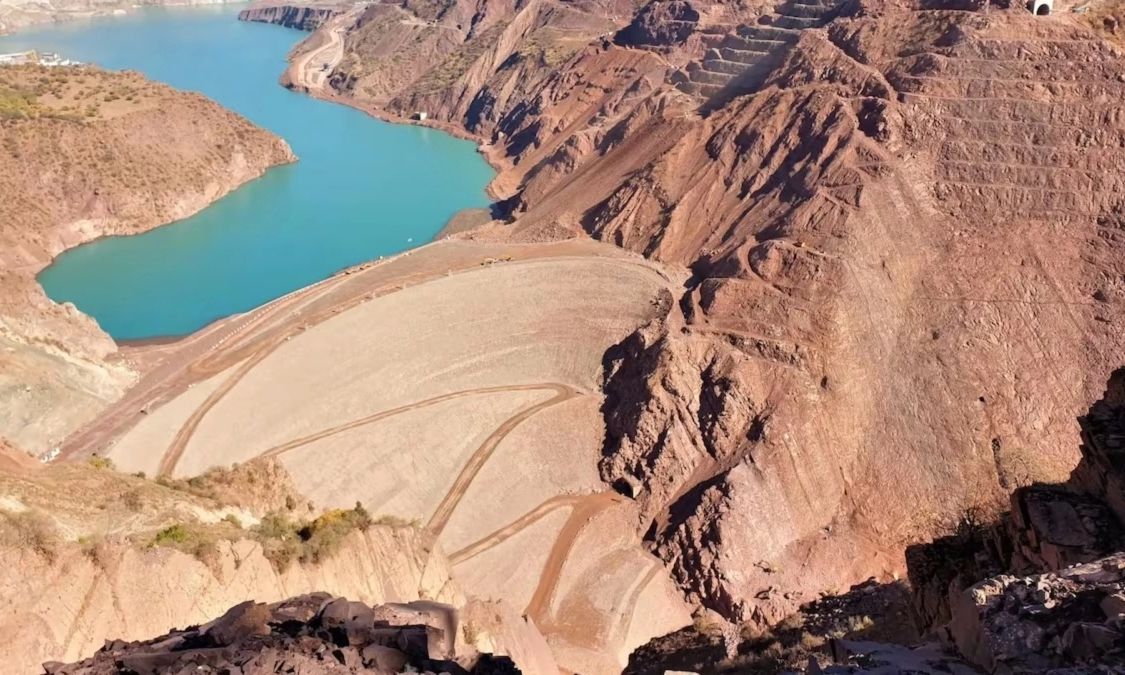
The Rogun project is being developed as a major rockfill dam with a central core designed to control water seepage. The World Bank says the selected 335-metre design was assessed against other dam-height options and was found to provide strong economic and energy benefits for Tajikistan.
The project is being built in stages because of its huge size and technical complexity. Its final design includes a large reservoir and a hydropower plant intended to provide a stable supply of electricity for the country.
The dam is located upstream of the Nurek Hydropower Plant on the Vakhsh River. The river is part of the wider Amu Darya basin, making the project important not only for Tajikistan but also for the wider Central Asian water and energy system.
Hydropower Capacity and Electricity Generation
The completed Rogun Hydropower Plant is expected to have an installed capacity of about 3,780 MW. Some project descriptions refer to a 3,600 MW configuration based on six generating units of 600 MW each. The project is expected to produce around 14,400 GWh of electricity every year.
The electricity is expected to play an important role in Tajikistan, particularly during winter when the country has faced electricity shortages. According to the World Bank, around half of Rogun’s low-cost electricity is expected to meet growing domestic demand, while surplus power can support exports to Kazakhstan and Uzbekistan.
World Bank Adds $300 Million
Financing remains a major part of the project because of its scale. In June 2026, the World Bank approved a $300 million grant for the second phase of financing. This brought the World Bank’s total planned financing for Rogun to $650 million. The funding is being used to support civil works, power-generation equipment and implementation activities.
The second phase also includes measures related to safety, environmental protection, social safeguards and support for affected households. The World Bank says the project is expected to create more than 30,000 direct and indirect jobs and improve access to reliable electricity for around 10 million people in Tajikistan.
Rogun’s Role in Central Asia
The Rogun Dam is more than a national electricity project because its planned power exports could strengthen regional energy links. Tajikistan has significant hydropower potential, while neighbouring countries such as Uzbekistan and Kazakhstan have growing electricity needs.
The World Bank expects Rogun to support the development of a stronger regional electricity market. Reliable hydropower could also help Central Asian countries integrate more solar and wind power, which can vary depending on weather conditions.
The project is therefore being developed alongside wider efforts to improve regional energy security and cooperation.
Construction and Long-Term Plans
Rogun has a long construction history. Work on the project began during the Soviet period in 1976 but was interrupted following the collapse of the Soviet Union. Construction later resumed, with the World Bank becoming involved in supporting the project’s development and financing framework.
Current project schedules show that major construction activities will continue through the 2030s. The World Bank’s project documents include staged dam construction, reservoir filling and the commissioning of additional generating units over several years.
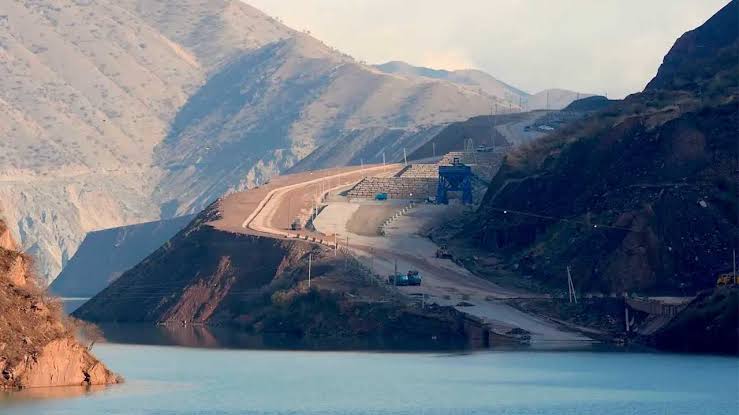
The scale of Rogun means that construction also involves tunnels, foundation treatment, power infrastructure and other underground works. Environmental and social plans are being implemented alongside the physical construction, including resettlement and livelihood restoration measures for affected communities.
A Major Renewable Energy Project
The Rogun Dam is being positioned as a central part of Tajikistan’s long-term energy strategy. Its large hydropower output could reduce domestic electricity shortages while creating opportunities for regional exports.
The project also reflects the growing importance of renewable energy infrastructure in Central Asia, where countries are seeking greater energy security while managing shared rivers and water resources. With a planned height of 335 metres and thousands of megawatts of generating capacity, Rogun remains one of the world’s largest hydropower projects under construction.