Neelus sikkimensis Found in the Sikkim Highlands, Adding a New Chapter to India’s Biodiversity

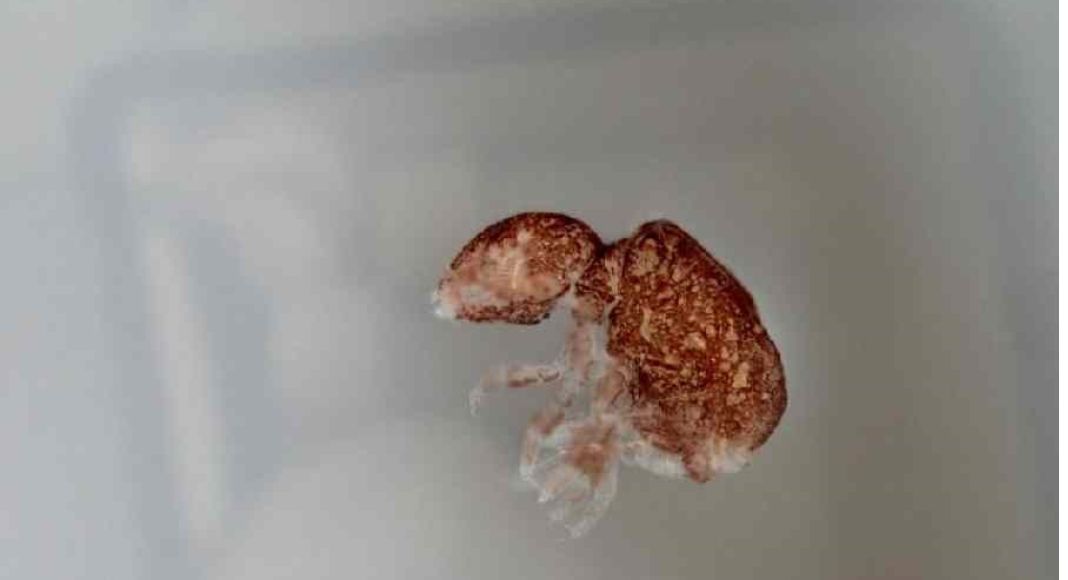
A small but important discovery has come from the high mountains of Sikkim. Scientists from the Zoological Survey of India (ZSI) have identified a new species of springtail, a tiny soil-dwelling insect known to scientists as Collembola. The species has been named Neelus sikkimensis, marking the first time the genus Neelus has ever been recorded in India.
Thank you for reading this post, don't forget to subscribe!The discovery was officially published on December 1, 2025, and it adds fresh evidence to the idea that the eastern Himalayas are one of the world’s richest regions for plant and animal life. Though springtails are rarely noticed by people, this finding highlights how even the smallest creatures can tell big stories about nature.
A First-Time Discovery for India
Until now, the genus Neelus had never been reported from Indian soil. With the identification of Neelus sikkimensis, India has joined a very small group of countries where this rare group of springtails is found.
Globally, only seven species of Neelus were known earlier. This new species increases that number to eight. Its presence in Sikkim shows that India’s soil ecosystems still hold many secrets waiting to be uncovered, especially in remote and high-altitude areas.
Scientists Behind the Study
The research was carried out by the Apterygota Section of the Zoological Survey of India, a leading national body for wildlife research. The team was led by Gurupada Mandal, with Kusumendra Kumar Suman playing an important role in the study.
Their work went through careful scientific checks before being published in the Journal of the Entomological Research Society. This confirms that the discovery is well-documented and based on detailed study.
What Makes Neelus sikkimensis Special
Neelus sikkimensis is extremely small, even by springtail standards. Its tiny body helps it survive deep inside soil, moss, and leaf litter, where light barely reaches. One striking feature of this species is that it has no eyes at all. This is common among creatures that live underground, where vision is not needed.
Another key feature that sets it apart is the special pattern of bristles around its mouth. This detail, though hard to see without a microscope, clearly separates it from other species in the same genus. These unique traits helped scientists confirm that they were looking at a completely new species.
Why Springtails Matter
Springtails may be small, but their role in nature is huge. They help break down dead plant material and support the recycling of nutrients in the soil. By doing this, they improve soil quality and help plants grow better.
Because they react quickly to changes in their surroundings, springtails are often seen as natural indicators of soil and environmental health. A healthy springtail population usually means healthy soil.
Importance of the Discovery

Dhriti Banerjee, Director of the Zoological Survey of India, praised the research team for their work. She pointed out that tiny soil animals like springtails form the base of complex food networks beneath our feet. Without them, soil ecosystems would struggle to function properly.
Lead researcher Gurupada Mandal also stressed that this discovery shows how much more there is to learn. Many parts of India, especially regions with different climates and landscapes, remain poorly studied when it comes to small soil organisms.
A Reminder of Hidden Life Beneath Us
The discovery of Neelus sikkimensis is a reminder that important life forms often go unnoticed. While large animals and birds attract most attention, tiny creatures like springtails quietly keep ecosystems running.
As scientists continue to explore India’s mountains, forests, and soils, more such discoveries are likely to emerge. Each new species adds to our understanding of nature and strengthens the case for protecting fragile environments like the Sikkim highlands.