Rajasthan Homestay Scheme 2026 Brings New Opportunities for Local Tourism

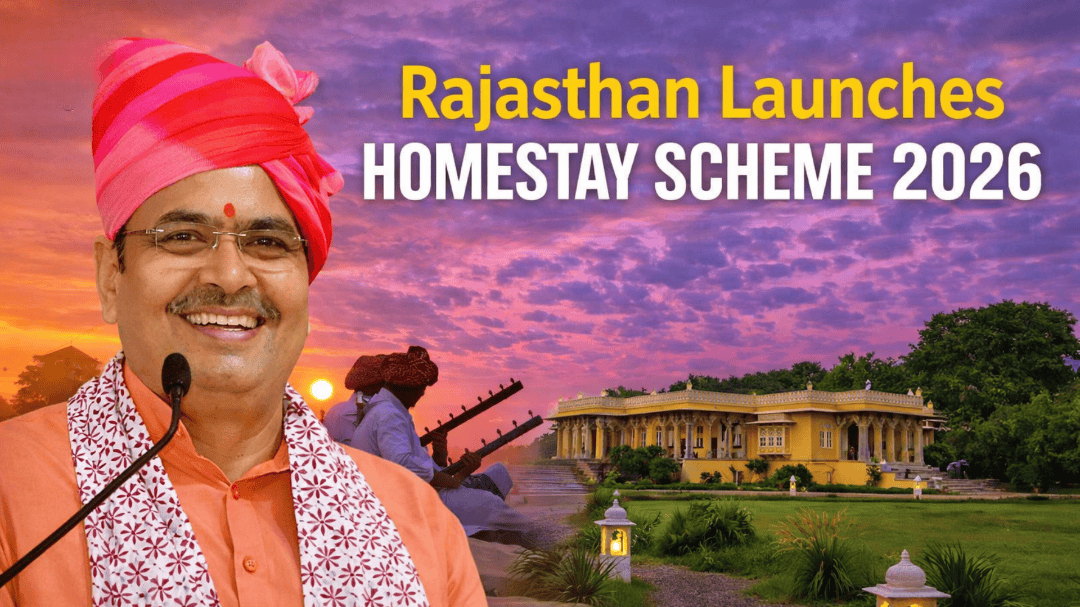
Rajasthan Homestay Scheme 2026 has been officially launched by the Rajasthan Tourism Department with the aim of strengthening tourism, boosting rural income, and promoting self-employment across the state. The new policy, formally titled the Rajasthan Homestay (Paying Guest House) Scheme 2026, reflects the government’s effort to make tourism more inclusive by encouraging local families to participate directly in hosting travellers.
Thank you for reading this post, don't forget to subscribe!Announcing the initiative, Praveen Gupta, Additional Chief Secretary (Tourism), explained that the scheme focuses on simplified approvals, wider community involvement, and ease of operations. With tourism numbers rising steadily, the Rajasthan Homestay Scheme 2026 is expected to play a key role in shaping the next phase of growth in the sector.
Rising Tourism and the Need for Community Participation
Rajasthan has witnessed a strong rebound in tourism. In 2025, the state recorded a 9.74 per cent increase in tourist arrivals compared to the previous year. Official figures show that more than 25.44 crore tourists visited Rajasthan, with domestic travellers accounting for over 25.25 crore of this total.
This consistent growth has created fresh demand for affordable, authentic, and locally managed accommodation. The Rajasthan Homestay Scheme 2026 is designed to meet this demand by expanding accommodation capacity while offering visitors a more personal and cultural experience. Instead of relying only on hotels, the policy brings households into the tourism ecosystem, allowing benefits to reach deeper into towns and villages.
Supporting Rural Income and Local Livelihoods
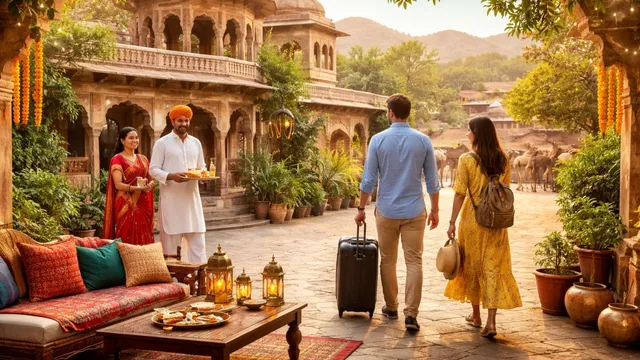
One of the main goals of the Rajasthan Homestay Scheme 2026 is to strengthen the rural economy. The policy allows residents to convert part of their homes into tourist accommodation, creating an additional source of income without heavy investment. This approach is especially helpful for rural households, small property owners, and families living near heritage sites or natural attractions.
The scheme also opens doors for women entrepreneurs and small investors who may not have the resources to start large hospitality businesses. By hosting guests in their homes, families can earn directly from tourism while preserving local traditions, food habits, and lifestyles. This family-based tourism model is expected to create jobs at the local level and encourage young people to stay engaged within their communities.
Simple Licensing and Digital Approvals
Ease of doing business is a major highlight of the Rajasthan Homestay Scheme 2026. The earlier system required approvals from multiple departments, often leading to delays. Under the new framework, these have been replaced with a single-window digital approval process.
Applicants now need to submit fewer documents, and approvals are processed faster through online systems. This change reduces administrative burden and encourages more homeowners to register their properties as homestays. The simplified process reflects the government’s intention to make tourism participation accessible rather than complex.
Flexible Rules for Property Owners
The Rajasthan Homestay Scheme 2026 introduces greater operational flexibility for property owners. The maximum number of rooms allowed per residential unit has been increased from five to eight, while the total bed capacity has been fixed at 24. This expansion allows families with larger homes to accommodate more guests without turning their property into a full-scale commercial hotel.
Another important change is the removal of the rule that required the owner or a family member to live on the premises. Homestays can now be operated by the owner, a lessee, or a designated caretaker, as long as they follow the guidelines. This flexibility is expected to attract more participants, including those who may live in another city but own property in tourist areas.
Decentralised Registration and Local Oversight
To ensure smoother implementation, registrations under the Rajasthan Homestay Scheme 2026 will be handled through local Tourism Department offices. This decentralised approach helps in quicker verification and better coordination at the district level. Rural homeowners also have the option to register at Tourist Reception Centres, making the process more accessible for those who may not be comfortable with online systems.
Local-level registration ensures that the scheme remains grounded in regional needs and conditions, while also allowing authorities to monitor standards effectively.
Safety, Comfort, and Compliance Standards
While the scheme encourages participation, it also places strong emphasis on safety and quality. Each homestay must operate within a fully residential complex. Rented rooms are required to have attached bathrooms, proper water and electricity supply, ventilation, sanitation, and fire safety arrangements.
Homestays must also follow local rules related to parking and waste disposal. Maintaining a guest register for at least seven years is mandatory, ensuring proper record-keeping. Details of foreign guests must be reported to authorities as per existing regulations. These measures help maintain safety for both hosts and visitors, while also aligning with national security and tourism standards.
Encouraging Responsible and Sustainable Tourism
The Rajasthan Homestay Scheme 2026 supports a form of tourism that is responsible and sustainable. By spreading tourist accommodation across homes instead of concentrating it in large hotels, pressure on urban infrastructure is reduced. Visitors get the chance to experience local culture, food, and daily life, while hosts benefit from direct interaction with travellers.
This balanced approach not only enhances visitor satisfaction but also ensures that tourism growth does not come at the cost of community well-being or environmental stress.
A New Phase for Tourism in Rajasthan
With rising tourist arrivals and increasing interest in authentic travel experiences, the Rajasthan Homestay Scheme 2026 arrives at a crucial time. By simplifying rules, expanding capacity, and encouraging community participation, the policy aims to make tourism more inclusive and beneficial for local residents.
As more households open their doors to travellers, Rajasthan’s tourism landscape is set to become richer, more diverse, and more closely connected to the people who call the state home.