CM Jan Sunwai Portal Launch Strengthens Digital Governance in Delhi

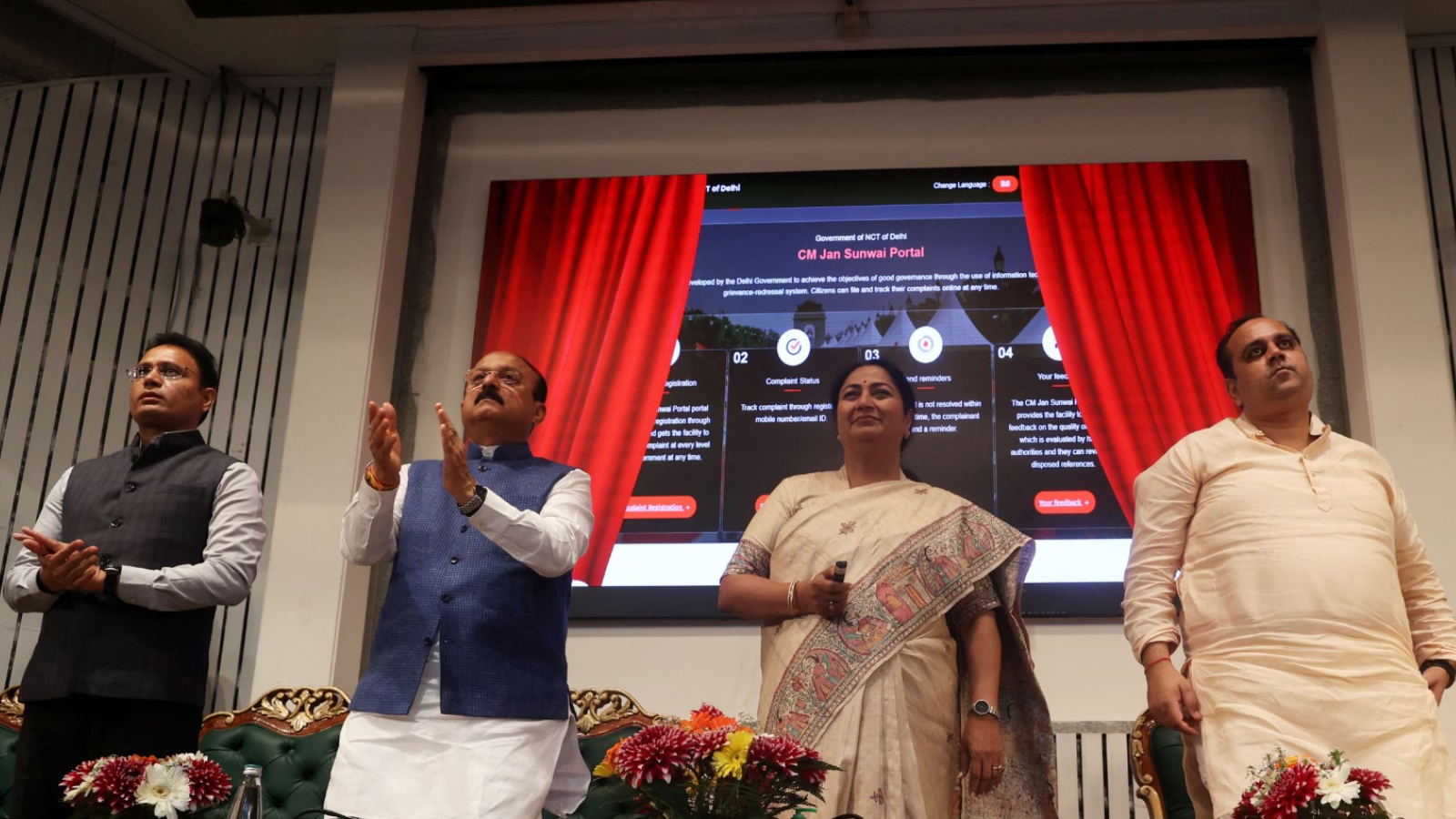
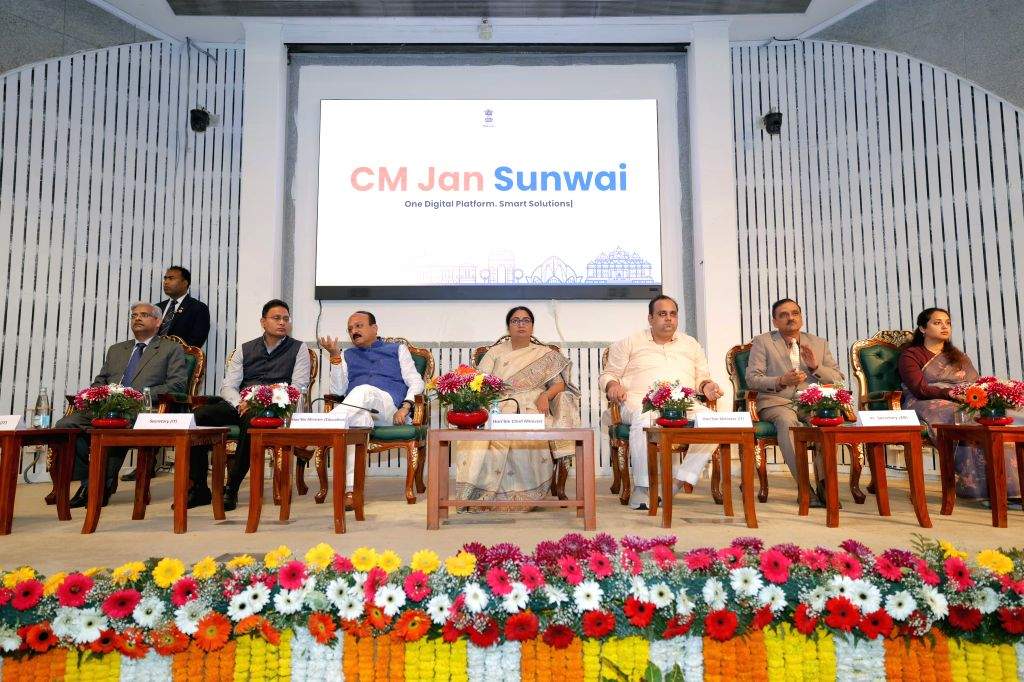
CM Jan Sunwai Portal Launch marks a significant step in Delhi’s journey toward transparent, citizen-friendly, and technology-driven governance. Delhi Chief Minister Rekha Gupta has officially launched the CM Jan Sunwai Portal along with a dedicated mobile application, giving citizens a simple and direct way to register complaints and track their resolution online. The initiative reflects the government’s focus on improving public service delivery by using digital tools that ensure accountability, speed, and accessibility.
Thank you for reading this post, don't forget to subscribe!The portal was introduced as part of the Information and Technology Department’s broader digital governance push. Along with grievance redressal reforms, the government also rolled out upgraded e-District services and a new, secure admission system for students from Economically Weaker Sections (EWS), Disadvantaged Groups (DG), and Children with Special Needs (CWSN). Together, these measures aim to make government processes more transparent, efficient, and inclusive.
A Unified Digital Platform for Public Complaints
At the heart of the CM Jan Sunwai Portal Launch is the creation of a single, integrated platform where citizens can submit grievances related to any government department. Earlier, complaint systems often suffered from weak monitoring, lack of clarity, and frequent transfers between departments without clear responsibility. This caused delays and frustration among citizens.
The new portal addresses these challenges by mapping complaints, departmental jurisdictions, and responsible officers in advance. This means that once a grievance is registered, it is automatically directed to the right department and officer. The system is designed to reduce confusion, speed up action, and ensure that no complaint is ignored or lost in the process.
Multiple Ways to Register Grievances
To make the system accessible to everyone, the CM Jan Sunwai Portal allows complaints to be registered through multiple channels. Citizens can submit grievances via the online portal, the mobile application, a dedicated call centre number (1902), or even offline at the Chief Minister’s Office. This multi-channel approach ensures that people with different levels of digital access can still use the system easily.
Once a complaint is registered, the citizen receives a unique reference ID. This ID can be used to track the status of the complaint at every stage. Regular updates are shared through SMS, keeping citizens informed without the need for repeated follow-ups.
A Clear Three-Level Accountability Structure
One of the most important features of the CM Jan Sunwai Portal Launch is the introduction of a structured three-level grievance redressal mechanism. Every complaint is first handled by a designated Grievance Redressal Officer. If the complainant is not satisfied with the response, the issue moves to an Appellate Authority. As a final step, unresolved cases can be taken up by a Final Appellate Authority.
The system is feedback-driven. If a citizen gives negative feedback after a complaint is marked as resolved, the case is automatically escalated to a higher authority. Citizens can also send reminders or link earlier complaints to provide additional context. This design ensures continuous monitoring and strong field-level accountability.
Importantly, physical Jan Sunwai sessions will continue alongside the digital platform. This hybrid approach ensures that citizens who prefer face-to-face interaction are not left out while still benefiting from the efficiency of digital systems.
Secure and Transparent School Admission Reforms
Alongside the CM Jan Sunwai Portal Launch, the Delhi government has introduced major reforms in the school admission process for EWS, DG, and CWSN categories. The old software system has been replaced with a modern, cloud-based platform that offers higher security and better data management.
Aadhaar-based identity verification has now been made mandatory, along with digital verification of birth certificates. Income certificates are verified through an integrated online system, reducing the risk of duplication and fraud. These changes aim to ensure that benefits reach genuine beneficiaries and that the admission process remains fair and transparent.
Expansion of e-District Services Across Delhi
Digital governance efforts have also been strengthened through the expansion of e-District services. These services are now integrated with more than 7,000 Common Service Centre outlets across Delhi. Through this network, citizens can access around 75 government services, including income, caste, and residence certificates, birth and death registrations, and various social welfare benefits.
By linking these services to a unified digital platform, the government has reduced paperwork, minimized delays, and improved service delivery. Citizens no longer need to visit multiple offices for different services, saving time and effort.
Better Management of Government Assets
Another important digital initiative introduced alongside the CM Jan Sunwai Portal Launch is the ‘CM Pragati’ platform. This system creates a comprehensive digital record of government land and buildings across Delhi. By maintaining accurate and up-to-date asset data, the government aims to improve transparency, planning, and management of public resources.
A Step Toward Citizen-Centric Governance
Overall, the CM Jan Sunwai Portal Launch represents a shift toward governance that listens to citizens and responds efficiently. By combining technology, accountability, and accessibility, the initiative empowers people to raise their concerns with confidence and track outcomes in real time. Along with reforms in education admissions and e-District services, the portal reflects Delhi’s growing focus on digital solutions that bring the government closer to the people.