Aditya Pandya Youngest Astronaut: A Teenager Redefining India’s Space Dreams

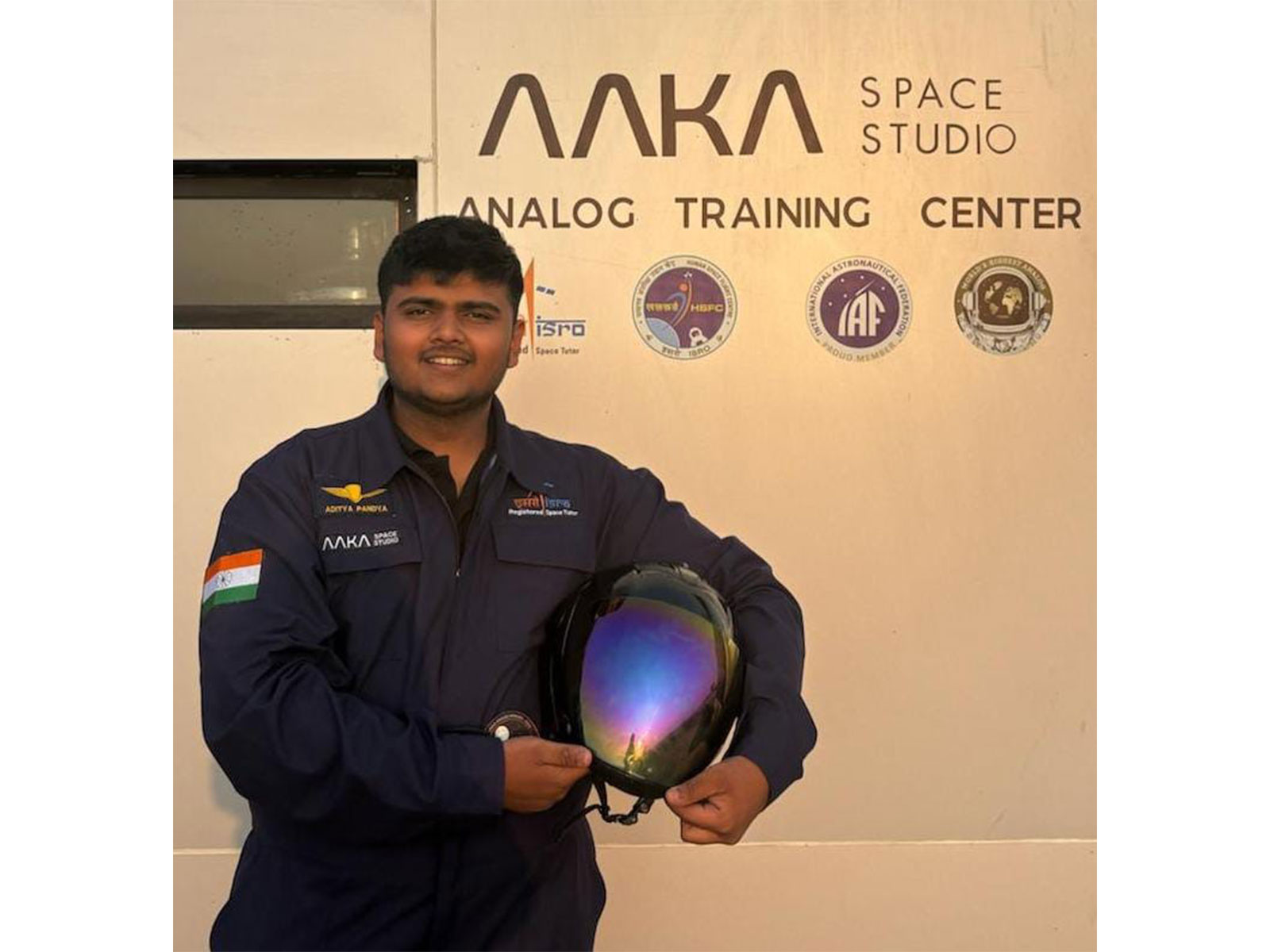
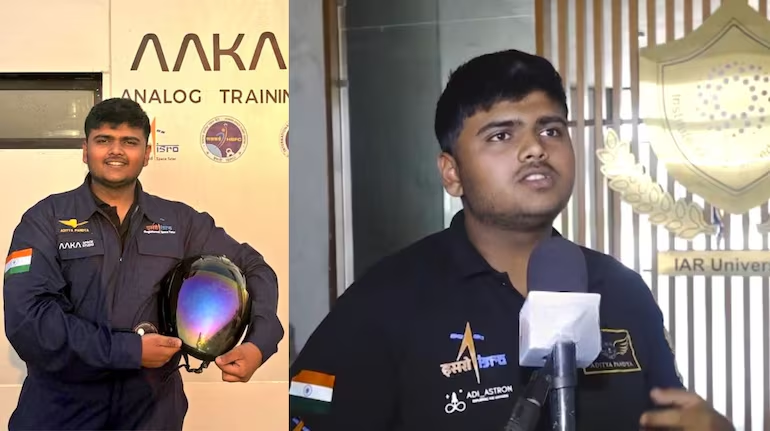
Aditya Pandya Youngest Astronaut is a phrase that is quickly gaining attention across India’s growing space science community. At just seventeen years old, Aditya Pandya has created history by becoming India’s youngest male analog astronaut. His achievement comes after successfully completing a challenging lunar-habitat-inspired mission designed to simulate life and work conditions on the Moon. Conducted by AAKA Space Studio, this mission marks a major milestone not only in Aditya’s personal journey but also in India’s emerging analog space research ecosystem.
Thank you for reading this post, don't forget to subscribe!This story is not just about age or records. It is about innovation, dedication, and the future of human space exploration shaped by young minds.
A historic mission in the white plains of Dholavira
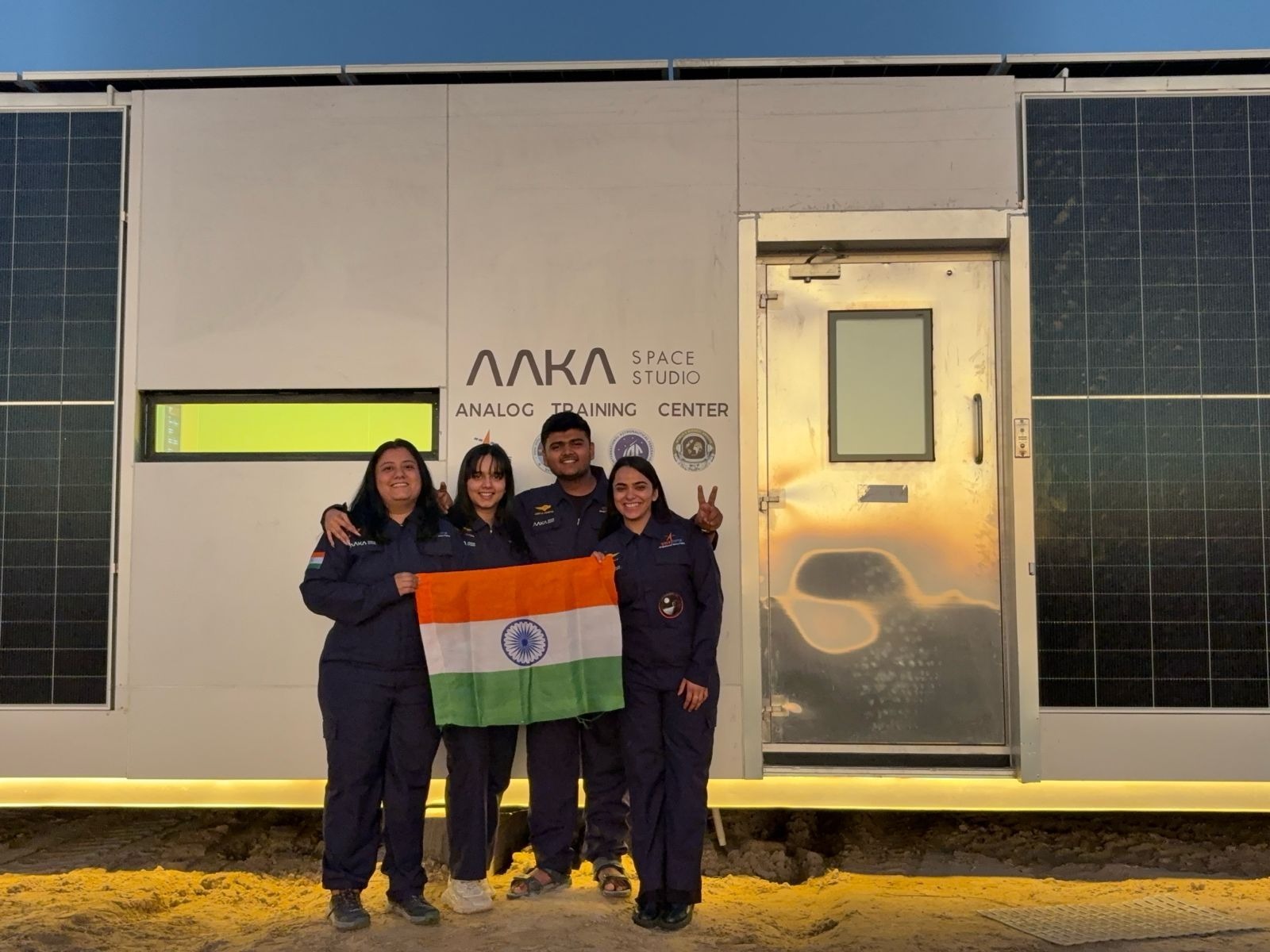
The analog astronaut mission took place from February 1 to 8 in Dholavira, located in the vast white plains of the Rann of Kutch. This remote and harsh landscape was carefully chosen because it resembles the isolation and extreme conditions expected on the Moon. With limited resources, minimal external contact, and a strong focus on self-reliance, the environment offered an ideal setting for testing human endurance and advanced habitat systems.
Dholavira provided a unique backdrop for the mission. Known for its ancient history and dry terrain, the location added realism to the lunar simulation. The crew lived inside a container-based habitat that mimicked future Moon shelters, where astronauts would need to depend heavily on technology, teamwork, and mental strength.
What is an analog astronaut mission?
Analog astronaut missions are Earth-based simulations that recreate the conditions of space missions. These missions help scientists, engineers, and future astronauts understand how humans behave in isolation, how systems perform over time, and how problems can be solved without immediate external help.
In this mission, a four-member crew lived in complete isolation for the entire duration. Communication with the outside world was limited and controlled. Daily routines, experiments, maintenance tasks, and emergency drills were all designed to mirror what astronauts may experience during real lunar or planetary missions.
For India, such missions are an important step toward preparing for long-term human spaceflight and planetary habitation.
Aditya Pandya’s unique dual role
What sets Aditya Pandya Youngest Astronaut apart from others is not only his age but also his dual responsibility during the mission. Aditya was not just a participant; he was also the lead for hardware systems, Internet of Things integration, and habitat intelligence.
In the six months leading up to the mission, Aditya worked closely with engineers and mentors to build and integrate the core technology stack of the habitat. His role involved hands-on work with environmental sensors, astronaut health monitoring systems, embedded safety hardware, and real-time data systems.
This meant that Aditya lived inside a habitat that included technology he had personally helped design and assemble. Any fault, delay, or error would directly affect the crew, making the experience both demanding and deeply educational.
Building smart habitats for future space missions
One of the most advanced features of the lunar analog habitat was the use of digital twin technology. A digital twin is a virtual replica of a physical system that updates in real time using live data. In this mission, the digital twin allowed mission control to monitor environmental conditions, system performance, and crew health continuously.
Aditya played a key role in validating this system. While staying inside the habitat, he tested how well the digital twin reflected real-world conditions. This included monitoring air quality, temperature, humidity, power usage, and biometric data such as heart rate and activity levels.
The habitat also featured modular components developed using 3D printing and rapid prototyping. These technologies are essential for future space missions, where replacement parts may need to be produced on-site rather than shipped from Earth.
Life inside isolation and autonomy
Living in isolation for days is not easy, especially for a teenager. The crew had to manage their schedules, resolve conflicts, handle technical issues, and maintain mental well-being without outside support. Every decision had to be thoughtful and efficient.
Aditya’s experience highlights how modern astronaut training is evolving. Instead of focusing only on physical fitness, today’s missions emphasize problem-solving, emotional balance, and technical understanding. His calm approach and technical confidence helped the crew maintain stability throughout the mission.
This model of training reflects a future where astronauts are also engineers and system designers, capable of fixing and adapting technology in real time.
Strengthening India’s analog space research ecosystem
According to AAKA Space Studio, the mission aims to combine engineering, simulation science, and hands-on astronaut training. As a registered space tutor with ISRO, AAKA Space Studio is contributing to India’s long-term goals in human spaceflight and planetary exploration.
Aditya Pandya’s success shows how young talent can play a meaningful role in this vision. His journey reflects a new approach where students and young engineers are not just learning theory but actively building and testing space-ready systems.
A glimpse into the future of space exploration
The achievement of Aditya Pandya Youngest Astronaut is a powerful reminder that age is no barrier to innovation. His story inspires students, educators, and policymakers to invest more in practical space education and research.
As India continues to expand its presence in space science, analog missions like this will become increasingly important. They offer a safe yet realistic way to prepare for future missions to the Moon, Mars, and beyond.
Aditya Pandya’s experience stands as a symbol of what the next generation can achieve when curiosity meets opportunity. With the right guidance, resources, and determination, young minds like his are set to shape the future of space exploration in India and the world.